Mission Bay Condo Rental Rules Buyers Should Review
Rises.co April 23, 2026
Rises.co April 23, 2026
Trying to lease out a Mission Bay condo can seem simple until you realize there is no single neighborhood-wide rulebook. In this part of San Francisco, rental decisions are shaped by state law, city rules, and your building’s own governing documents. If you are buying, selling, or holding a condo as an investment, understanding how those layers work can help you avoid costly surprises. Let’s dive in.
Mission Bay condo leasing is governed by three separate layers. The first is California HOA law, the second is San Francisco rental regulation, and the third is the building’s CC&Rs, bylaws, and house rules. In practice, that third layer often has the biggest day-to-day impact.
That means two condos in the same neighborhood can have very different leasing options. One building may allow long-term rentals with a cap, while another may have stricter lease minimums or a complete ban on short-term stays. As the California Civil Code explains, purchase date and recorded restrictions can also matter.
California sets the outer limits for many HOA rental rules. Under Civil Code section 4741, an HOA generally cannot ban rentals outright and cannot set a rental cap below 25% of the separate interests in the community. The law also allows associations to prohibit short-term or transient rentals of 30 days or less.
There is an important nuance here. Older restrictions may still affect owners who purchased after a preexisting rental ban was already recorded. That is why the title date and governing documents matter so much when you are evaluating a Mission Bay condo.
San Francisco has its own rules for short-term rentals, and the city defines those as stays of less than 30 nights. According to the Office of Short-Term Rentals FAQ, the host must be the permanent resident and must live in the unit at least 275 nights per year. The city also limits un-hosted stays to 90 nights annually.
The compliance requirements go further than many buyers expect. Hosts need business registration, a host certificate, and liability insurance of at least $500,000, or equivalent platform coverage. Just as important, the city makes clear that HOA bylaws, CC&Rs, and lease agreements can still prohibit short-term rental activity.
In other words, getting city approval does not override private building rules. A Mission Bay owner may qualify under city rules and still be blocked by the HOA.
For most Mission Bay condo owners, the building’s rules are where leasing plans either work or fall apart. The HOA documents often determine whether leasing is allowed, how many units may be rented at one time, and what the minimum lease term is. California law creates the boundaries, but each building can still create its own restrictions within those limits.
This is why buyers should never assume a leasing strategy will transfer from one Mission Bay tower to another. The safest approach is to review the most current CC&Rs, bylaws, and house rules before you write an offer or list a property for sale.
A common restriction in condo buildings is a rental cap. California law generally prevents associations from dropping below the 25% threshold, but the actual cap in any Mission Bay building depends on the recorded documents. Some buildings may already be near their cap, which can affect whether a new owner is able to lease their unit right away.
That matters for both buyers and sellers. If you are buying with future flexibility in mind, a building at or near its cap may limit your options. If you are selling, the current rental environment in the building may affect buyer demand, especially among portfolio-minded purchasers.
Many people assume the city’s 30-day short-term threshold is the only lease-length rule that matters. It is not. A building can still require a longer minimum lease term through its own governing documents.
That means a unit may be outside the city’s short-term rental program and still be restricted by the HOA. As the San Francisco Planning Department notes, rentals of 30 days or more are not reviewed as short-term rentals, but building rules can still be stricter.
Short-term rental bans are often the clearest rule in a condo project. Under California law, HOAs are allowed to prohibit rentals of 30 days or less. San Francisco also confirms that its permit process does not override private agreements.
So if you are considering a Mission Bay condo for flexible hosting income, this is one of the first things to verify. In many luxury and high-rise buildings, the answer may be no, even if city law would otherwise allow a permitted host.
Some owners look at furnished leases of 30 days or more as a middle ground. This can avoid the city’s short-term rental program, but it does not automatically mean the strategy is unrestricted. San Francisco separately regulates intermediate length occupancy for stays of more than 30 consecutive days but less than one year.
Depending on the building and zoning context, that may require Planning approval and annual reporting. The city’s ILO program is also capped citywide. For Mission Bay buyers and investors, this is a key point because a 30-plus-day furnished rental strategy may still trigger city review.
Rental rules do not just shape income strategy. They can also affect financing and resale. Lenders review the condo project as a whole, not just the individual unit.
According to Fannie Mae’s Condo Status Finder, projects may be ineligible if they operate like a hotel or motel or manage daily or short-term rentals. Fannie Mae also flags issues such as inadequate insurance, critical repairs, and significant litigation. While Fannie Mae retired its 50% investment-property concentration limit for certain established projects under Full Review in March 2026, buyers still need the project to meet other eligibility standards.
Freddie Mac’s condo guidance also treats investor concentration as a project-level issue in some scenarios. In practical terms, Mission Bay buildings with heavy investor ownership, short-term rental activity, or special assessments may face more lender scrutiny and a narrower conventional buyer pool.
If you are comparing leasing strategies, revenue is only part of the picture. San Francisco imposes a 14% transient occupancy tax on stays under 30 days, according to the Office of the Treasurer & Tax Collector. Add in registration, reporting, occupancy limits, and insurance requirements, and short-stay economics become much more complex.
That is one reason many owners look closely at longer lease structures. Even then, the HOA documents and any applicable city approval requirements still need to be reviewed before you rely on projected returns.
Before you buy or list a Mission Bay condo, it helps to confirm the core leasing facts early. A focused review can save time and prevent surprises during escrow.
Ask these questions:
For buyers, these questions can shape both flexibility and financing. For sellers, clear answers can strengthen your marketing and help qualified buyers move with more confidence.
The biggest takeaway is simple: Mission Bay rental rules are building-specific, not neighborhood-wide. State law matters, and San Francisco rules matter, but the building’s own documents often determine what you can actually do with a condo.
If you are buying, that means your leasing plan should be verified before closing. If you are selling, understanding the building’s rental rules can help you position the property correctly and speak to buyer concerns with clarity. For tailored guidance on Mission Bay high-rise condos, connect with Sean Mamola for a private consultation.
Primary phone
(415) 704-3640License Number
#02056250Address
891 Beach StSean Mamola is a San Francisco real estate agent who specializes in luxury properties and penthouses throughout the city's most coveted neighborhoods. As a Global Luxury Specialist with Compass and Rises.co, Sean works with discerning clients who are buying and selling exceptional properties in San Francisco. Since 2018 he has closed 75+ transactions and more than $100M in sales volume across the city's high-rise condo and penthouse market.
Sean focuses on San Francisco's premier areas including South Beach, Yerba Buena, Mission Bay, Pacific Heights, Lower Pacific Heights, Russian Hill, and Nob Hill. His deep knowledge of these neighborhoods allows him to guide clients to properties that perfectly match their lifestyle and investment goals.
Whether you're drawn to the modern luxury of South Beach condos, the urban sophistication of Yerba Buena, the waterfront appeal of Mission Bay, the timeless elegance of Pacific Heights, the historic charm of Russian Hill, or the prestigious heights of Nob Hill, Sean understands what makes each area unique.
For Sellers
Sean creates comprehensive marketing strategies that attract qualified buyers with refined tastes. He believes in elegant staging with meticulous attention to detail, ensuring your property makes an unforgettable impression. His marketing reaches both international and local luxury markets, maximizing exposure for condos, penthouses, condotels, and new developments.
For Buyers
Using cutting-edge technology and market research, Sean carefully analyzes pricing and property trends to find homes that satisfy his clients' specific preferences, price points, and lifestyles. His 24/7 availability and white-glove service ensure you never miss the right opportunity.
Working with Sean and his partnership with Rises.co gives clients significant competitive advantages. His vast network of interconnected agents results in winning offers and an impressively low ratio of properties shown to offers accepted. Sean's impeccable work ethic and precise negotiation skills ensure sellers find the right buyer and buyers secure their dream home.
Before becoming a licensed real estate agent, Sean spent years in luxury hospitality, skills he applies to every client relationship and transaction. He has tremendous respect for people's privacy and consistently exceeds expectations – from international travel to execute transactions to handling unique special requests.
As a Bay Area native who lived in New York City for 15 years, Sean brings a global perspective and genuine appreciation for people from all walks of life. His diverse background helps him connect with clients whether they're local San Francisco residents or international buyers seeking their perfect property.
When not working, Sean enjoys cycling, spending time with his large Irish-Italian family, and volunteering for Food Runners, The Richmond/Ermet Aid Foundation (REAF), and Broadway Cares/Equity Fights AIDS. This community involvement reflects his commitment to giving back to the city he serves.
If you're looking for an exceptional San Francisco real estate agent who specializes in luxury properties and provides truly high-touch service, let's talk. Sean is ready to help you find your perfect San Francisco home or achieve the best possible outcome when selling your property.
Specializing in luxury condos, penthouses, and exceptional properties in South Beach, Yerba Buena, Mission Bay, Pacific Heights, Lower Pacific Heights, Russian Hill, and Nob Hill.
Stay up to date on the latest real estate trends.
Sean Mamola | October 23, 2026
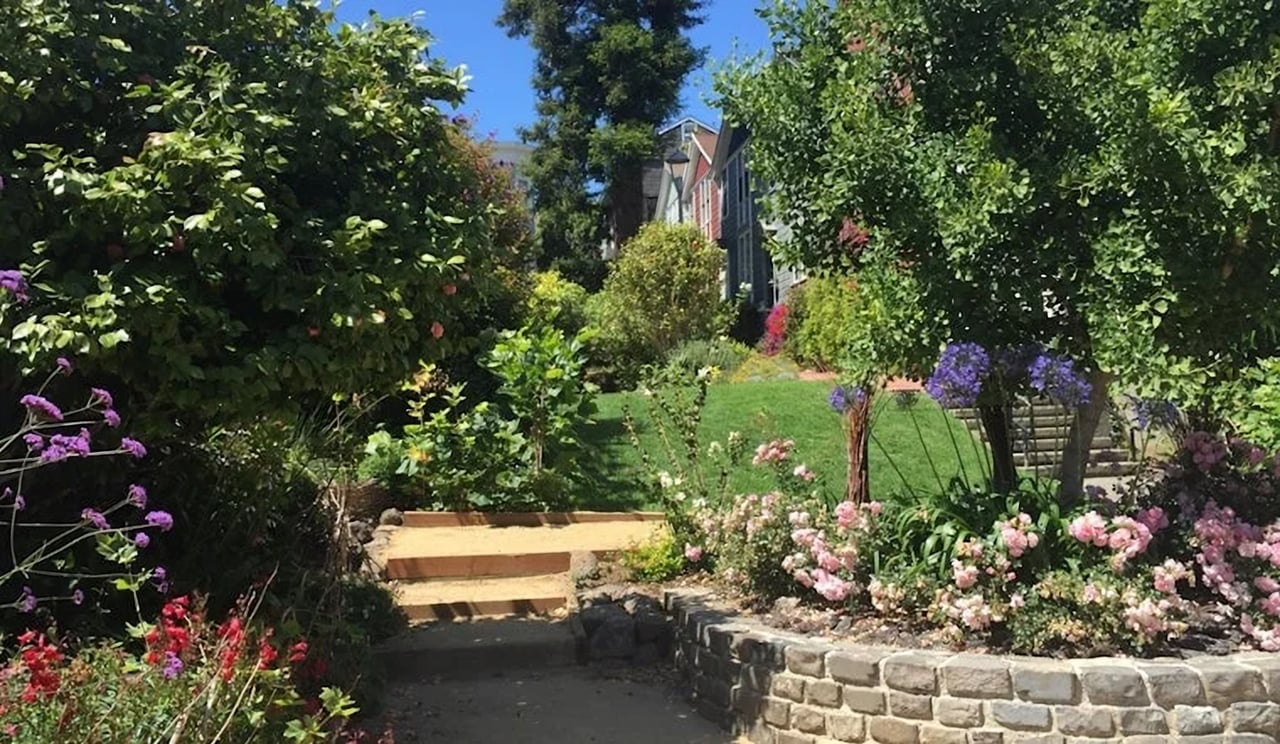
A car-free brick walkway, a row of 1882 cottages, and the "Japan Street" story every owner nearby should know.
Sean Mamola | October 22, 2026
A Saturday Halloween runs from a Church Street dog parade to Fair Oaks after dark

Sean Mamola | October 19, 2026
Off-market or on the MLS? A 2026 guide for San Francisco condo sellers.

Sean Mamola | October 16, 2026
How a 1031 exchange defers capital gains on a San Francisco investment property.

Sean Mamola | October 15, 2026
One construction fence comes down, and another goes up across Post Street.

Sean Mamola | October 15, 2026
The disclosures and reports a San Francisco seller must provide in 2026.

Sean Mamola | October 14, 2026
What Yerba Buena condo buyers need to know in 2026: value, buildings, and leverage.
Sean Mamola | October 13, 2026
What Mission Bay condo buyers need to know in 2026: prices, buildings, and pace.

Sean Mamola | October 12, 2026
Two-thirds of condos sold over asking and the median rose 23%. Then mortgage rates climbed to 7.40%. Here's how I'm reading both.

CONTACT SEAN MAMOLA AT RISES.CO
CA DRE# 02056250
891 Beach St.,
San Francisco CA 94109