Condo vs. TIC in San Francisco: Which Option Fits?
Sean Mamola | June 1, 2026

Sean Mamola | June 1, 2026
Choosing between a condominium and a tenancy in common, or TIC, is one of the most consequential decisions San Francisco buyers face. The structure a buyer selects shapes everything from the size of the down payment to how quickly the home can be resold. As a Global Luxury Specialist, I guide clients through this choice regularly, and the breakdown below explains why it deserves careful attention before making an offer.
A condominium is the most straightforward form of ownership. Each owner holds an individual deed to a specific unit and has the right to mortgage, sell, or rent that unit relatively freely. Lenders treat condo financing much like a single-family home, which means conventional loans, standard down payments near 20%, and competitive interest rates. For first-time buyers, a condo is often the easiest path to ownership.
Condos give buyers the cleanest path to ownership. You hold a deed, you finance much like a single-family home, and you can sell or rent with far fewer restrictions.
A TIC works differently. Owners share title to the entire building, each holding a percentage interest along with the exclusive right to occupy a specific unit. That arrangement is governed by a TIC agreement, a legal document that defines occupancy, maintenance responsibilities, and the process for selling an interest. Condo buildings in neighborhoods such as Russian Hill, Pacific Heights, and Nob Hill typically feature professional management and established governance, which adds to their resale appeal.
Price is the main reason buyers consider a TIC. TIC units typically sell for 10 to 20% less than comparable condos, which can be the difference between being priced out of a neighborhood and getting in. A two-bedroom TIC in Pacific Heights might sell for around $1.2 million while a comparable condo sells closer to $1.5 million. For buyers willing to navigate TIC financing, that gap represents meaningful savings and access to streets that would otherwise be out of reach.
The price gap is what makes TICs so compelling. A buyer can often step into Pacific Heights or Russian Hill for ten to twenty percent less than a comparable condo.
Financing is where the two structures diverge most. TIC purchases generally require specialized lenders, down payments closer to 25%, and interest rates roughly 0.5 to 1% above conventional loans. The San Francisco TIC market is well established, however, and experienced lenders make these transactions routine. Buyers should also have a real estate attorney review the TIC agreement during escrow, since it governs occupancy, shared maintenance, and the terms for selling an interest later.
Financing is where buyers feel the difference. TIC lenders typically want about twenty-five percent down and price the loan a touch higher, so the monthly math deserves a careful look.
Converting a TIC to a condo can create substantial equity, but it is neither quick nor guaranteed. Conversion requires cooperation among the owners and, for most buildings, success in San Francisco's condo conversion lottery, which controls how many buildings convert each year. When a building does convert, each unit's value can rise meaningfully; a unit purchased as a TIC for $1.2 million might be worth closer to $1.5 million as a condo. The tradeoff is patience, since the process can take years.
Conversion can be a genuine wealth builder. When a building converts successfully, each unit's value can step up, but it takes patience and full cooperation among owners.
Condos generally resell faster because buyers can obtain conventional financing, which widens the pool of qualified purchasers. TICs require more patient, targeted marketing to reach buyers who understand the structure and qualify for fractional or group loans. In desirable neighborhoods, well-priced TICs still sell within reasonable timeframes, but sellers should plan for a more deliberate process.
Resale really comes down to financing. Condos move faster because buyers can secure conventional loans, while TICs reward patient, targeted marketing.
A TIC can be a strong value, particularly for buyers who want access to a prestige neighborhood at a lower price point. The key is understanding the financing requirements and the TIC agreement before committing.
Yes. TIC financing is well established in San Francisco, though it typically requires a specialized lender, a larger down payment near 25%, and a slightly higher interest rate than a conventional condo loan.
TIC units generally sell for 10 to 20% less than comparable condos. The exact gap depends on the building, the neighborhood, and current market conditions.
A TIC agreement is the legal document that governs shared ownership of the building. It defines exclusive occupancy, maintenance obligations, and the procedures for selling an individual interest.
Conversion can take several years. It generally requires owner cooperation and success in San Francisco's condo conversion lottery, which limits the number of conversions each year.
First-time buyers who want the simplest financing and easiest future resale often start with a condo. Those focused on affordability, and comfortable with the added complexity, may find a TIC opens more doors.
Whether the goal is buying or selling, the right choice between a condo and a TIC comes down to finances, timeline, and long-term plans. Understanding how each structure applies to a specific situation can make all the difference.
📞 Call or text: (415) 704-3640
📅 Schedule a consultation: Book a time to discuss your goals
I am a Global Luxury Specialist with Compass, specializing in San Francisco's premier neighborhoods including Pacific Heights, Russian Hill, Nob Hill, South Beach, Yerba Buena, and Mission Bay. With a background in luxury hospitality and deep expertise in the Bay Area market, I help buyers and sellers navigate San Francisco's most competitive segments.
Primary phone
(415) 704-3640License Number
#02056250Address
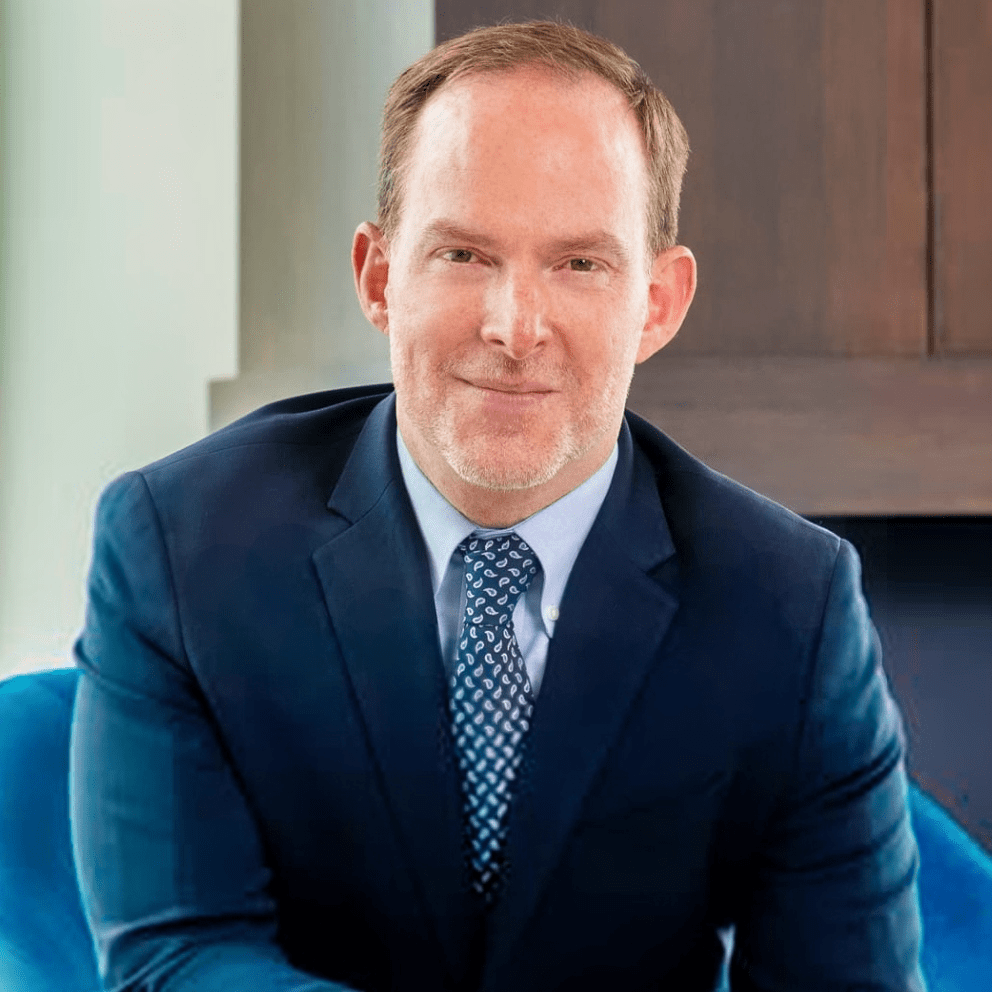
891 Beach St,Sean Mamola is a San Francisco real estate agent who specializes in luxury properties and penthouses throughout the city's most coveted neighborhoods. As a Global Luxury Specialist with Compass and Rises.co, Sean works with discerning clients who are buying and selling exceptional properties in San Francisco. Since 2018 he has closed 75+ transactions and more than $100M in sales volume across the city's high-rise condo and penthouse market.
Sean focuses on San Francisco's premier areas including South Beach, Yerba Buena, Mission Bay, Pacific Heights, Lower Pacific Heights, Russian Hill, and Nob Hill. His deep knowledge of these neighborhoods allows him to guide clients to properties that perfectly match their lifestyle and investment goals.
Whether you're drawn to the modern luxury of South Beach condos, the urban sophistication of Yerba Buena, the waterfront appeal of Mission Bay, the timeless elegance of Pacific Heights, the historic charm of Russian Hill, or the prestigious heights of Nob Hill, Sean understands what makes each area unique.
For Sellers
Sean creates comprehensive marketing strategies that attract qualified buyers with refined tastes. He believes in elegant staging with meticulous attention to detail, ensuring your property makes an unforgettable impression. His marketing reaches both international and local luxury markets, maximizing exposure for condos, penthouses, condotels, and new developments.
For Buyers
Using cutting-edge technology and market research, Sean carefully analyzes pricing and property trends to find homes that satisfy his clients' specific preferences, price points, and lifestyles. His 24/7 availability and white-glove service ensure you never miss the right opportunity.
Working with Sean and his partnership with Rises.co gives clients significant competitive advantages. His vast network of interconnected agents results in winning offers and an impressively low ratio of properties shown to offers accepted. Sean's impeccable work ethic and precise negotiation skills ensure sellers find the right buyer and buyers secure their dream home.
Before becoming a licensed real estate agent, Sean spent years in luxury hospitality, skills he applies to every client relationship and transaction. He has tremendous respect for people's privacy and consistently exceeds expectations – from international travel to execute transactions to handling unique special requests.
As a Bay Area native who lived in New York City for 15 years, Sean brings a global perspective and genuine appreciation for people from all walks of life. His diverse background helps him connect with clients whether they're local San Francisco residents or international buyers seeking their perfect property.
When not working, Sean enjoys cycling, spending time with his large Irish-Italian family, and volunteering for Food Runners, The Richmond/Ermet Aid Foundation (REAF), and Broadway Cares/Equity Fights AIDS. This community involvement reflects his commitment to giving back to the city he serves.
If you're looking for an exceptional San Francisco real estate agent who specializes in luxury properties and provides truly high-touch service, let's talk. Sean is ready to help you find your perfect San Francisco home or achieve the best possible outcome when selling your property.
Specializing in luxury condos, penthouses, and exceptional properties in South Beach, Yerba Buena, Mission Bay, Pacific Heights, Lower Pacific Heights, Russian Hill, and Nob Hill.
Stay up to date on the latest real estate trends.
Sean Mamola | September 21, 2026
The Fed just hiked for the first time since 2023. Before you wait, it's worth naming what you're waiting for.

Sean Mamola | September 17, 2026
The condo median climbed 22% while sales slowed. Here's what actually moved, and what it means this fall.
September 17, 2026

September 10, 2026

Sean Mamola | September 9, 2026
Sell first or buy first? A 2026 guide for San Francisco move-up sellers.

Sean Mamola | September 8, 2026
Selling a San Francisco condo with tenants in place: your options in 2026.

Sean Mamola | September 5, 2026
As-is or renovate before selling? A 2026 decision guide for SF condo sellers.

Sean Mamola | September 4, 2026
Capital gains on a San Francisco home sale, explained for 2026 sellers.

Sean Mamola | September 3, 2026
One investor now controls eleven storefronts across three blocks. The restaurant announcements are the visible part.

CONTACT SEAN MAMOLA AT RISES.CO
CA DRE# 02056250
891 Beach St.,
San Francisco CA 94109