Mission Bay vs SoMa Condos for First-Time Buyers
Sean Mamola | July 26, 2026
Sean Mamola | July 26, 2026
Trying to choose between Mission Bay and SOMA for your first San Francisco condo? It is a smart question, especially because city transit maps sometimes group Mission Bay into a broader SOMA area even though the living experience can feel quite different. If you want to buy your first urban condo with confidence, this guide will help you compare pricing, inventory, transit, parks, and day-to-day lifestyle so you can focus on the neighborhood that fits you best. Let's dive in.
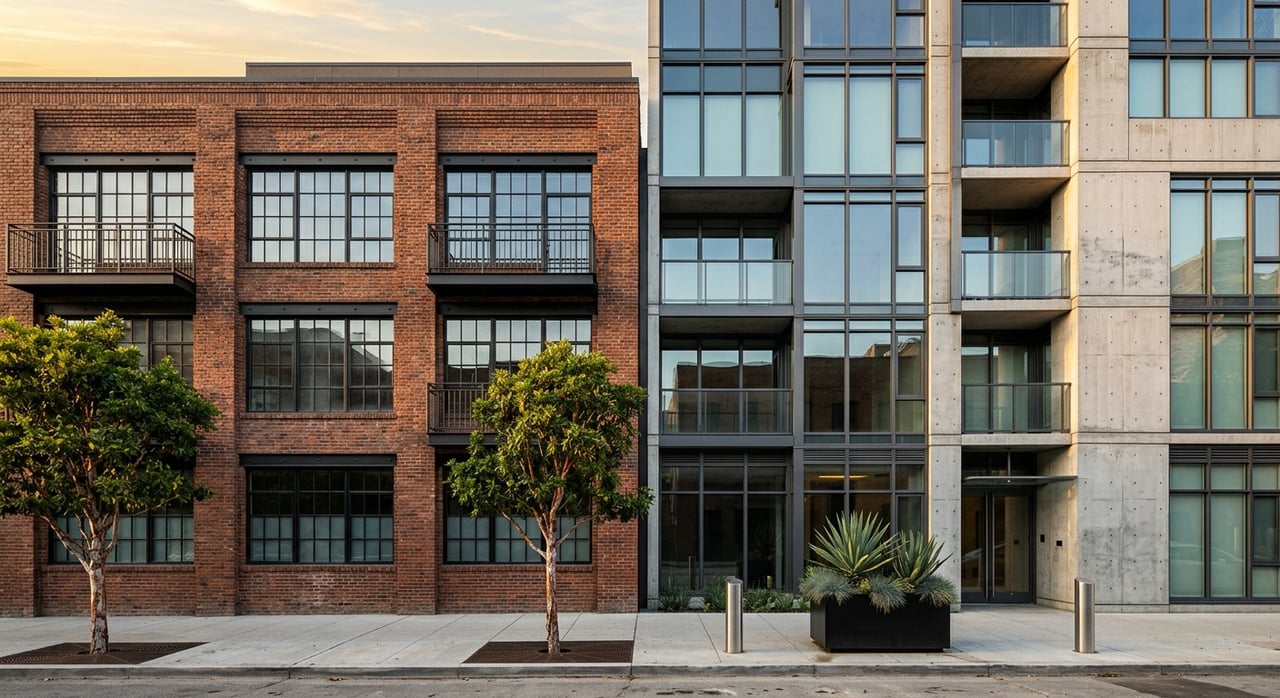
For this comparison, it helps to think of Mission Bay as its own planned waterfront-adjacent district and SOMA as the older mixed-use core with mid-rise, warehouse, and alley-based character. That distinction matters because the two areas can offer very different condo-buying experiences.
Mission Bay tends to feel more curated and open-space oriented. SOMA tends to feel denser, more varied, and more driven by street activity, dining, and entertainment. If you are a first-time buyer, that difference can shape everything from your daily routine to the kind of building you tour.
First-time buyers often assume the higher median in Mission Bay puts it out of reach, but a tighter, newer inventory can actually make the search simpler. You are choosing from fewer, more consistent options instead of sorting through dozens of very different ones.
Mission Bay is a planned district with residential, office, hotel, and open-space zones. City planning standards describe a mix of moderate-density flats and apartments along with higher-density apartment buildings, often with entrances oriented toward the street and shared outdoor areas built into the design.
In practical terms, that usually translates into a more consistent condo product. If you are looking for a newer-feeling building, efficient layouts, and a neighborhood that was designed with open space in mind, Mission Bay often checks those boxes.
Mission Bay stands out for its park system and waterfront-adjacent feel. SF Recreation and Park manages Mission Creek Park North and South, Mission Bay Kids Park, Mission Bay Commons, Mariposa Park, and local dog parks, with features that include lawns, plazas, sport courts, esplanades, a playground, a boathouse, and a boat launch.
That gives the neighborhood a more open and breathable rhythm than many central San Francisco areas. If your ideal urban life includes morning walks, outdoor space, and a little more visual separation between buildings and activity zones, Mission Bay may feel easier to settle into.
Mission Bay's rail access centers on the T Third line, which serves Mission Bay, UCSF, and Chase Center and continues to 4th & King. SFMTA also notes that the N Judah serves 4th & King next to the Caltrain depot.
For a first-time buyer, that can be a major plus if you commute toward the Peninsula or want straightforward access to major destinations without juggling too many transfers. It is not the broadest transit web in the area, but it is a very practical one.
Based on 45 closed condo sales in Mission Bay (SFAR MLS, January to June 2026), the median sale price is $1,299,000 (about $1.3M), at a median $1,140 per square foot. Homes moved fast, a median of 17 days on market, and closed right at asking, a median 100% of original list price.
On the active side, Redfin currently shows about 10 condos for sale in Mission Bay, and the neighborhood posts a Walk Score of 87.
That tells you two important things. First, Mission Bay inventory is relatively tight. Second, homes can move quickly. For first-time buyers, that can mean less choice, but it can also mean a more focused search if you already know you want a newer condo environment.
Examples in the current listing mix include:
If Mission Bay is your frontrunner, my guide to what to know before buying a condo in Mission Bay goes deeper on the details that matter for a first purchase.
SOMA, as defined here, is the older mixed-use core shaped by mid-rise buildings, warehouse legacies, and alley networks. Planning documents for Central SOMA and Western SOMA emphasize active ground floors, sidewalk-oriented buildings, and a more varied urban fabric.
For buyers, that often means more variety in both streetscape and housing stock. SOMA can feel more layered and less uniform than Mission Bay, which is part of its appeal if you want a neighborhood with more texture and more options.
SOMA rewards buyers who want to shop. With far more listings on the market, you can compare floor plans, light, and building styles until something genuinely fits, rather than settling for the only unit available that week.
SOMA offers a stronger case for buyers who want a full urban experience built around walkable dining, arts, nightlife, and events. Local guides highlight museums and galleries, Yerba Buena Gardens, Salesforce Park, Oracle Park, and a busy calendar of food and cultural activity.
SFMTA also points to shops and restaurants along Folsom Street, along with a broad range of eateries. If you want more built-in day-to-night energy, SOMA usually delivers more of it than Mission Bay.
SOMA has the broader transit network. SFMTA lists E Embarcadero, F Market & Wharves, J Church, K Ingleside, L Taraval, M Ocean View, N Judah, T Third, plus bus and owl routes on its neighborhood page.
The Salesforce Transit Center adds another layer of regional connectivity. It currently connects AC Transit, WestCAT, Greyhound, and Amtrak Thruway buses with Muni, and future phases are planned to bring in Caltrain and eventually California High Speed Rail. If route redundancy and regional access matter to you, SOMA has the stronger transit advantage.
Based on 65 closed condo sales in South of Market (SFAR MLS, January to June 2026), SOMA's median condo sale price is $850,000, at a median $793 per square foot. SOMA condos took a median of 35 days on market and closed at a median 98.7% of original asking.
On the active side, Redfin currently shows about 168 condos for sale in SOMA, and the neighborhood posts a Walk Score of 97.
Compared with Mission Bay, SOMA's median condo sale price is about 35% lower (roughly $449k), and about 30% lower per square foot ($793 versus $1,140). Just as important, the active inventory is dramatically larger, which can give first-time buyers more room to compare layouts, building styles, and price points.
Current listings also show a broader mix of condo types, including:
If you are deciding between the two, the right answer usually comes down to how you want your daily life to feel, not just what the listing photos show. Both neighborhoods can work well for a first condo purchase, but they often serve different priorities.
The neighborhood name on the listing matters less than how the building actually lives. Street noise, elevator wait, outdoor space, and transit at your door shape your day far more than the ZIP code does.
Mission Bay may be the better fit if you value:
This can be especially appealing if you want a polished urban environment that feels modern and easy to navigate.
SOMA may be the better fit if you value:
If you want more choice and a denser urban lifestyle, SOMA often gives you more to work with.
When you compare these neighborhoods, look beyond the headline price. A lower list price in SOMA may open more options, while Mission Bay's tighter inventory may reward buyers who prefer a simpler building search and are ready to move quickly.
It also helps to think in terms of building experience, not just neighborhood name. In a condo search, floor plan efficiency, building style, street noise, transit access, and how much outdoor space you want nearby can matter just as much as square footage.
I tell first-time buyers to lead with their commute and their weekends. Line those up honestly, and the right neighborhood usually chooses itself.
For buyers focused on vertical living, this is where neighborhood and building-level expertise really matters. A loft-style home in SOMA and a newer condo in Mission Bay can both be excellent options, but they often appeal to very different routines and expectations.
For a step-by-step view of the whole process, see my ultimate guide to buying a high-rise condo in San Francisco.
If you are still torn, ask yourself one question: Do you want more calm and consistency, or more variety and energy? Mission Bay usually leans toward calm, newer, and park-oriented. SOMA usually leans toward variety, activity, and broader choice.
There is no wrong answer between these two. There is only the answer that matches how you want to spend an ordinary Tuesday.
There is no one-size-fits-all answer for first-time urban buyers in San Francisco. The best move is to line up your budget, commute, and lifestyle priorities with the kind of condo product each neighborhood actually offers today.
Mission Bay is often a better fit if you want a newer, park-forward condo environment, while SOMA is often a better fit if you want more inventory, more transit options, and a denser urban lifestyle.
Yes. Based on first-half 2026 closed sales (SFAR MLS), Mission Bay's median condo sale price is about $1.3M compared with about $850k in SOMA, roughly 35% lower.
Yes. The current Redfin snapshots show 168 condos for sale in SOMA versus 10 in Mission Bay, giving buyers a much deeper pool of options in SOMA.
Mission Bay has straightforward rail access via the T Third and proximity to 4th & King, where SFMTA notes the N Judah also serves the Caltrain area.
Yes. SFMTA lists a broader set of rail and bus routes serving SOMA, and the Salesforce Transit Center adds regional bus connections with future rail expansion planned.
Mission Bay often features a more consistent newer-building condo product, while SOMA offers a wider range of homes, including loft-style, live-work, and multi-level layouts.
Weighing Mission Bay against SOMA for your first place? I bring 17+ years of real estate experience and a luxury hospitality background to every first-time buyer I work with. As a Global Luxury Specialist with Compass, I offer the building-level insight and private, concierge-level approach that make a first purchase feel clear instead of overwhelming. Schedule a consultation or call (415) 704-3640.

Primary phone
(415) 704-3640License Number
#02056250Address
891 Beach StSean Mamola is a San Francisco real estate agent who specializes in luxury properties and penthouses throughout the city's most coveted neighborhoods. As a Global Luxury Specialist with Compass and Rises.co, Sean works with discerning clients who are buying and selling exceptional properties in San Francisco. Since 2018 he has closed 75+ transactions and more than $100M in sales volume across the city's high-rise condo and penthouse market.
Sean focuses on San Francisco's premier areas including South Beach, Yerba Buena, Mission Bay, Pacific Heights, Lower Pacific Heights, Russian Hill, and Nob Hill. His deep knowledge of these neighborhoods allows him to guide clients to properties that perfectly match their lifestyle and investment goals.
Whether you're drawn to the modern luxury of South Beach condos, the urban sophistication of Yerba Buena, the waterfront appeal of Mission Bay, the timeless elegance of Pacific Heights, the historic charm of Russian Hill, or the prestigious heights of Nob Hill, Sean understands what makes each area unique.
For Sellers
Sean creates comprehensive marketing strategies that attract qualified buyers with refined tastes. He believes in elegant staging with meticulous attention to detail, ensuring your property makes an unforgettable impression. His marketing reaches both international and local luxury markets, maximizing exposure for condos, penthouses, condotels, and new developments.
For Buyers
Using cutting-edge technology and market research, Sean carefully analyzes pricing and property trends to find homes that satisfy his clients' specific preferences, price points, and lifestyles. His 24/7 availability and white-glove service ensure you never miss the right opportunity.
Working with Sean and his partnership with Rises.co gives clients significant competitive advantages. His vast network of interconnected agents results in winning offers and an impressively low ratio of properties shown to offers accepted. Sean's impeccable work ethic and precise negotiation skills ensure sellers find the right buyer and buyers secure their dream home.
Before becoming a licensed real estate agent, Sean spent years in luxury hospitality, skills he applies to every client relationship and transaction. He has tremendous respect for people's privacy and consistently exceeds expectations – from international travel to execute transactions to handling unique special requests.
As a Bay Area native who lived in New York City for 15 years, Sean brings a global perspective and genuine appreciation for people from all walks of life. His diverse background helps him connect with clients whether they're local San Francisco residents or international buyers seeking their perfect property.
When not working, Sean enjoys cycling, spending time with his large Irish-Italian family, and volunteering for Food Runners, The Richmond/Ermet Aid Foundation (REAF), and Broadway Cares/Equity Fights AIDS. This community involvement reflects his commitment to giving back to the city he serves.
If you're looking for an exceptional San Francisco real estate agent who specializes in luxury properties and provides truly high-touch service, let's talk. Sean is ready to help you find your perfect San Francisco home or achieve the best possible outcome when selling your property.
Specializing in luxury condos, penthouses, and exceptional properties in South Beach, Yerba Buena, Mission Bay, Pacific Heights, Lower Pacific Heights, Russian Hill, and Nob Hill.
Stay up to date on the latest real estate trends.
Sean Mamola | October 1, 2026
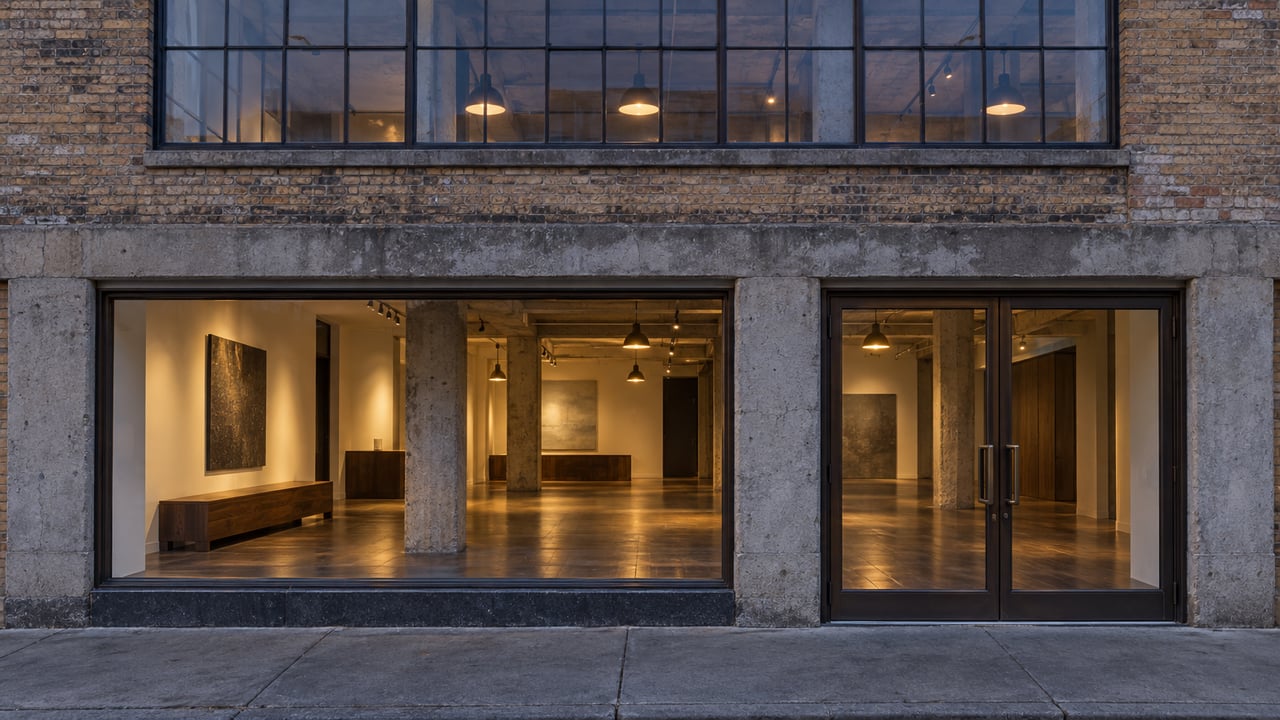
Showplace Square's showroom buildings are picking up tech tenants, and a Michelin-starred steakhouse anchors its traffic circle
Sean Mamola | September 24, 2026
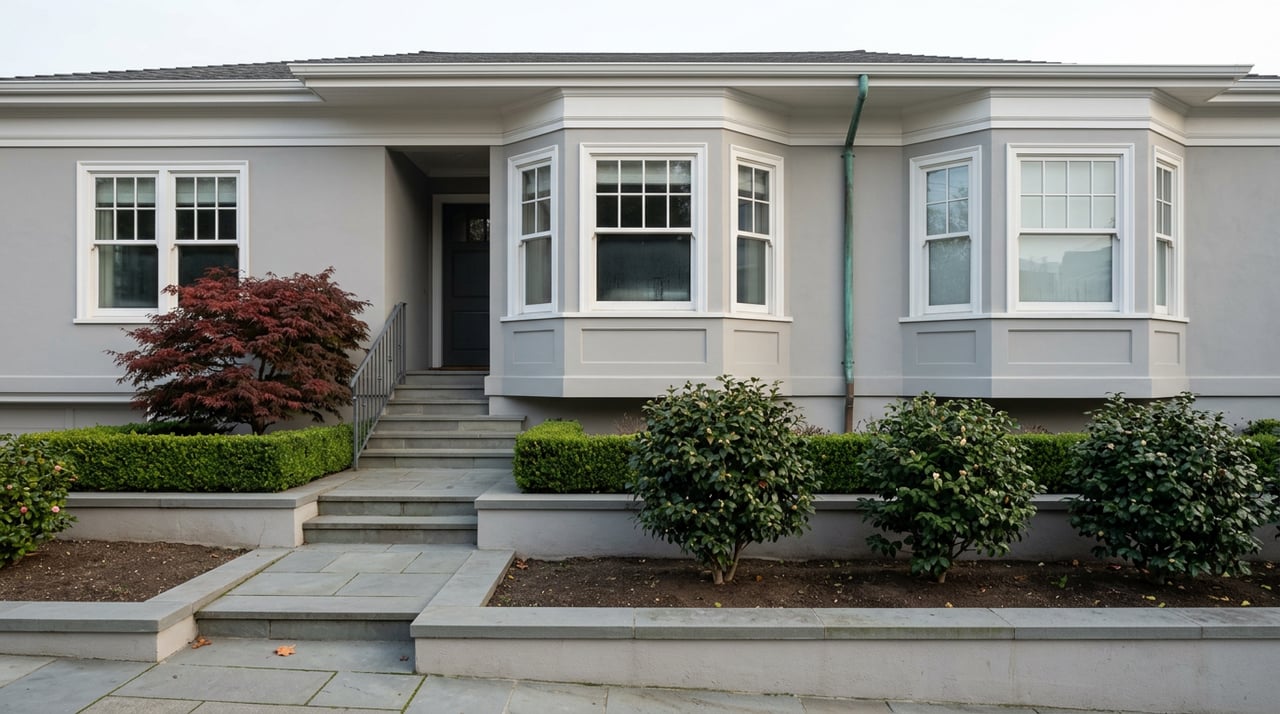
Three changes on three different clocks at the top of Pacific Heights
Sean Mamola | September 22, 2026
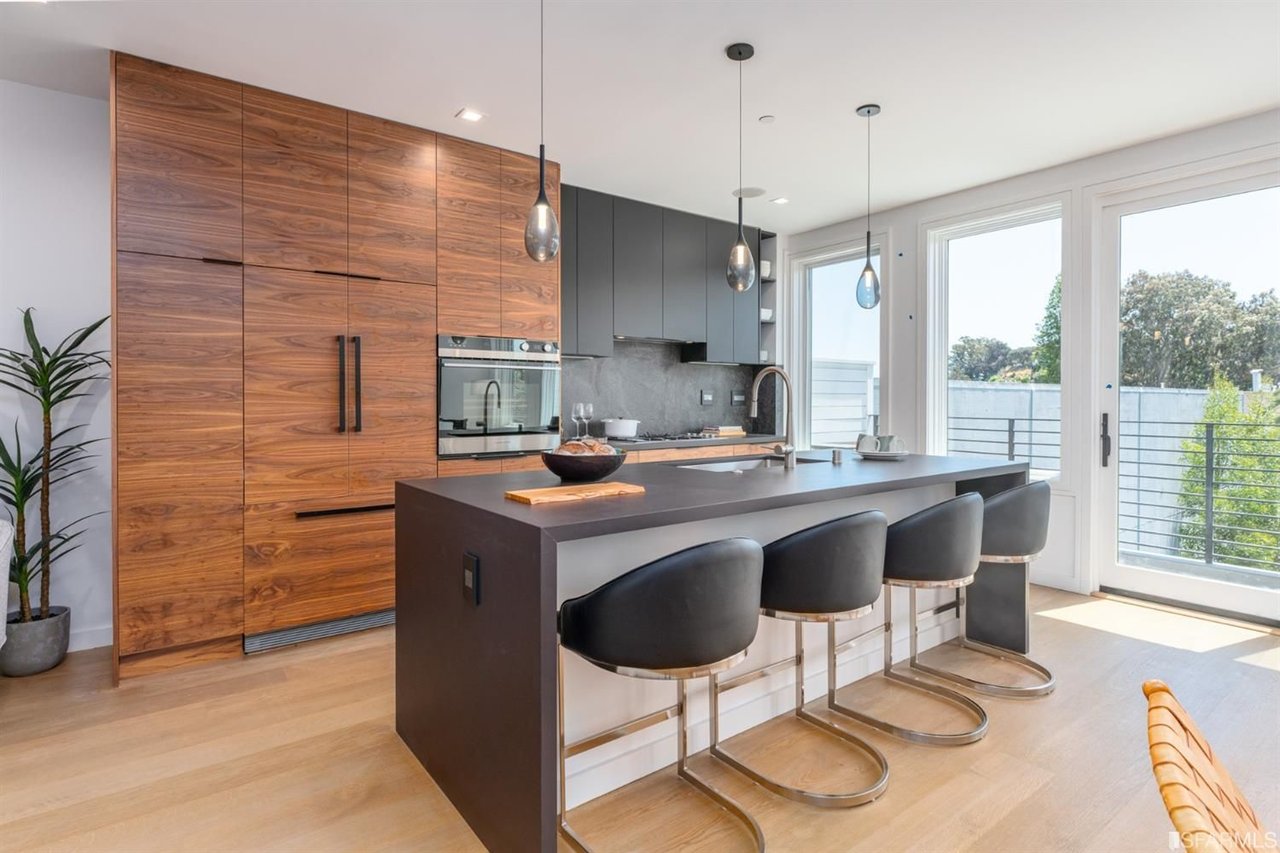
Rates just climbed back to 7%. Here's why waiting them out has almost never paid off for a San Francisco condo buyer.
Sean Mamola | September 21, 2026
The Fed just hiked for the first time since 2023. Before you wait, it's worth naming what you're waiting for.

Sean Mamola | September 17, 2026
The condo median climbed 22% while sales slowed. Here's what actually moved, and what it means this fall.
Sean Mamola | September 17, 2026
The Giants are done for 2026. Here's how the ballpark-to-arena calendar actually runs this fall.

Sean Mamola | September 10, 2026
A ticketed blockbuster at SFMOMA and a free festival finale on the Great Lawn, a few hundred feet apart

Sean Mamola | September 9, 2026
Sell first or buy first? A 2026 guide for San Francisco move-up sellers.

Sean Mamola | September 8, 2026
Selling a San Francisco condo with tenants in place: your options in 2026.

CONTACT SEAN MAMOLA AT RISES.CO
CA DRE# 02056250
891 Beach St.,
San Francisco CA 94109