Seller Disclosures in San Francisco: What You Must Provide
Sean Mamola | October 15, 2026

Sean Mamola | October 15, 2026
When you sell a home in San Francisco, you must give the buyer a set of disclosures about the property's condition and history. The core documents are the California Transfer Disclosure Statement (TDS), a Natural Hazard Disclosure (NHD) report, and San Francisco's own Report of Residential Building Record, known as the 3R report, along with proof of compliance with the city's energy and water conservation rules. A condo adds the homeowners association document package. This guide walks through each one. It is general information, not legal advice, so confirm the specifics with your agent and a real estate attorney.
The TDS is the central disclosure a California seller makes, required under Civil Code Section 1102 for most sales of one-to-four-unit residential property. On it, you disclose what you actually know about the property's condition, from the systems and appliances to any defects, past repairs, or issues like water intrusion or neighborhood nuisances. The standard is honesty about known facts, not a guarantee that nothing is wrong. Filling it out carefully and truthfully is the single best protection a seller has against a later dispute, because the most common disclosure problems come from leaving something out, not from the condition itself.
California requires sellers to disclose whether a property lies within designated natural hazard zones, including special flood, very high fire, seismic, and other state-mapped areas. In practice this is handled by a third-party NHD report that checks the property against the official maps and summarizes the findings for the buyer. It is a routine, inexpensive report that the seller orders early so there are no surprises during the buyer's review period.
The 3R report, or Report of Residential Building Record, is specific to San Francisco. Issued through the city, it summarizes the property's record: its authorized occupancy and use, whether it is classified as a condominium, its zoning and building-code occupancy classification, its construction date, and its full building permit history and status. For a buyer, the 3R is where unpermitted work or a mismatch between the legal and actual use of a unit shows up, which is exactly why San Francisco requires the seller to deliver it before the sale closes. Ordering it early lets you address any permit questions before they become a negotiating point.
Since 1982, San Francisco has required residential properties to meet energy and water conservation standards at the point of sale under the city's Residential Energy Conservation Ordinance and its companion water conservation rules. In practice, that means an inspection confirms the home has the required conservation measures in place, such as low-flow fixtures and basic energy items, and a certificate of compliance is issued before closing. Most well-kept condos already meet the standard, but it is worth confirming early, because any corrections are the seller's to make before the deal can close.
A condo is a common interest development, so on top of the standard disclosures you provide the HOA document package. Under California Civil Code Section 4525, that includes the association's current budget, reserve study, governing documents such as the CC&Rs and bylaws, insurance information, and recent meeting minutes, along with any pending or anticipated special assessments. Buyers and their lenders scrutinize these closely, so a clean, complete, promptly ordered HOA package keeps a condo sale moving. For how those dues and assessments work, see Rises.co's guide to HOA dues and special assessments in SF high-rises.
In San Francisco, the seller customarily orders and pays for the disclosure package, and the reports are prepared up front so the buyer can review them during the contingency period. None of these is expensive on its own, and together they are a small line on your net sheet.
Disclosure | What it covers | Customarily provided by |
|---|---|---|
Transfer Disclosure Statement (TDS) | The property's known condition and defects | Seller (completes it) |
Natural Hazard Disclosure (NHD) report | Flood, fire, and seismic hazard zones | Seller (third-party report) |
3R report | Permit history, legal use, occupancy | Seller |
Energy and water compliance | Required conservation measures and certificate | Seller |
HOA document package (condos) | Budget, reserves, CC&Rs, minutes, assessments | Seller (ordered from the HOA) |
For the full cost picture, see Rises.co's guide to how much it costs to sell a condo in San Francisco.
From experience: On every listing, the disclosure package, the 3R, the NHD, the compliance inspection, and the full HOA documents, gets ordered and assembled before the home goes live, not after an offer comes in. Front-loading the paperwork means buyers review a complete, transparent file from day one, which builds trust, shortens the contingency period, and takes away the surprises that cause deals to wobble late.
This article is general information about how San Francisco disclosures commonly work, not legal advice. Disclosure obligations, exemptions, and forms can change, and every property is different. Review your specific situation with your agent and, where needed, a qualified real estate attorney.
At a minimum, the California Transfer Disclosure Statement (TDS), a Natural Hazard Disclosure (NHD) report, San Francisco's 3R report, and proof of energy and water conservation compliance. A condo also requires the HOA document package.
The 3R report, or Report of Residential Building Record, is a San Francisco document that discloses a property's permit history, legal use, occupancy, zoning, and construction date. The seller must deliver it to the buyer before the sale closes.
The TDS is a California form, required under Civil Code Section 1102, on which the seller discloses what they know about the property's condition and any defects. It is required for most one-to-four-unit residential sales.
You generally must meet San Francisco's energy and water conservation requirements at the point of sale, which is a defined set of conservation measures rather than a full code upgrade. An inspection confirms compliance before closing.
In San Francisco, the seller customarily orders and pays for the NHD, the 3R, and the compliance inspection. The cost is modest and shows up as a small line on your net sheet.
Failing to disclose a known material fact is the most common source of post-sale disputes. When in doubt, disclose it. Your agent and a real estate attorney can help you document known issues correctly.
Getting ready to sell and want the paperwork done right? Sean Mamola brings 17+ years of real estate expertise and a luxury hospitality background to every client relationship, with a track record spanning entry-level condos to an $8.7 million South Beach penthouse. As a Global Luxury Specialist with Compass, Sean assembles a complete, transparent disclosure package up front so your sale moves smoothly from day one. Schedule a consultation or call (415) 704-3640.
Primary phone
(415) 704-3640License Number
#02056250Address
891 Beach StSean Mamola is a San Francisco real estate agent who specializes in luxury properties and penthouses throughout the city's most coveted neighborhoods. As a Global Luxury Specialist with Compass and Rises.co, Sean works with discerning clients who are buying and selling exceptional properties in San Francisco. Since 2018 he has closed 75+ transactions and more than $100M in sales volume across the city's high-rise condo and penthouse market.
Sean focuses on San Francisco's premier areas including South Beach, Yerba Buena, Mission Bay, Pacific Heights, Lower Pacific Heights, Russian Hill, and Nob Hill. His deep knowledge of these neighborhoods allows him to guide clients to properties that perfectly match their lifestyle and investment goals.
Whether you're drawn to the modern luxury of South Beach condos, the urban sophistication of Yerba Buena, the waterfront appeal of Mission Bay, the timeless elegance of Pacific Heights, the historic charm of Russian Hill, or the prestigious heights of Nob Hill, Sean understands what makes each area unique.
For Sellers
Sean creates comprehensive marketing strategies that attract qualified buyers with refined tastes. He believes in elegant staging with meticulous attention to detail, ensuring your property makes an unforgettable impression. His marketing reaches both international and local luxury markets, maximizing exposure for condos, penthouses, condotels, and new developments.
For Buyers
Using cutting-edge technology and market research, Sean carefully analyzes pricing and property trends to find homes that satisfy his clients' specific preferences, price points, and lifestyles. His 24/7 availability and white-glove service ensure you never miss the right opportunity.
Working with Sean and his partnership with Rises.co gives clients significant competitive advantages. His vast network of interconnected agents results in winning offers and an impressively low ratio of properties shown to offers accepted. Sean's impeccable work ethic and precise negotiation skills ensure sellers find the right buyer and buyers secure their dream home.
Before becoming a licensed real estate agent, Sean spent years in luxury hospitality, skills he applies to every client relationship and transaction. He has tremendous respect for people's privacy and consistently exceeds expectations – from international travel to execute transactions to handling unique special requests.
As a Bay Area native who lived in New York City for 15 years, Sean brings a global perspective and genuine appreciation for people from all walks of life. His diverse background helps him connect with clients whether they're local San Francisco residents or international buyers seeking their perfect property.
When not working, Sean enjoys cycling, spending time with his large Irish-Italian family, and volunteering for Food Runners, The Richmond/Ermet Aid Foundation (REAF), and Broadway Cares/Equity Fights AIDS. This community involvement reflects his commitment to giving back to the city he serves.
If you're looking for an exceptional San Francisco real estate agent who specializes in luxury properties and provides truly high-touch service, let's talk. Sean is ready to help you find your perfect San Francisco home or achieve the best possible outcome when selling your property.
Specializing in luxury condos, penthouses, and exceptional properties in South Beach, Yerba Buena, Mission Bay, Pacific Heights, Lower Pacific Heights, Russian Hill, and Nob Hill.
Stay up to date on the latest real estate trends.
Sean Mamola | October 22, 2026
A Saturday Halloween runs from a Church Street dog parade to Fair Oaks after dark

Sean Mamola | October 19, 2026
Off-market or on the MLS? A 2026 guide for San Francisco condo sellers.

Sean Mamola | October 16, 2026
How a 1031 exchange defers capital gains on a San Francisco investment property.

Sean Mamola | October 15, 2026
One construction fence comes down, and another goes up across Post Street.
Sean Mamola | October 15, 2026
The disclosures and reports a San Francisco seller must provide in 2026.

Sean Mamola | October 14, 2026
What Yerba Buena condo buyers need to know in 2026: value, buildings, and leverage.
Sean Mamola | October 13, 2026
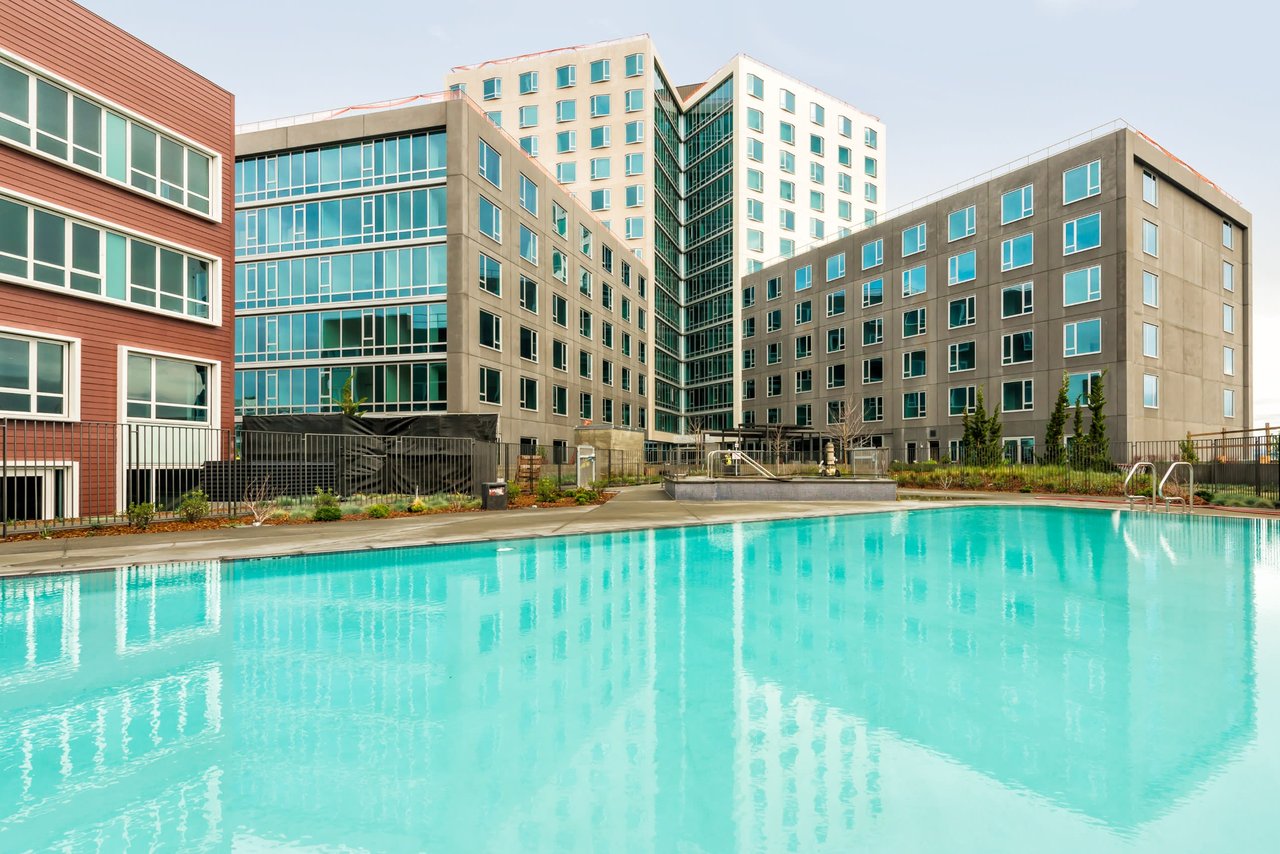
What Mission Bay condo buyers need to know in 2026: prices, buildings, and pace.

Sean Mamola | October 12, 2026
Two-thirds of condos sold over asking and the median rose 23%. Then mortgage rates climbed to 7.40%. Here's how I'm reading both.
Sean Mamola | October 12, 2026
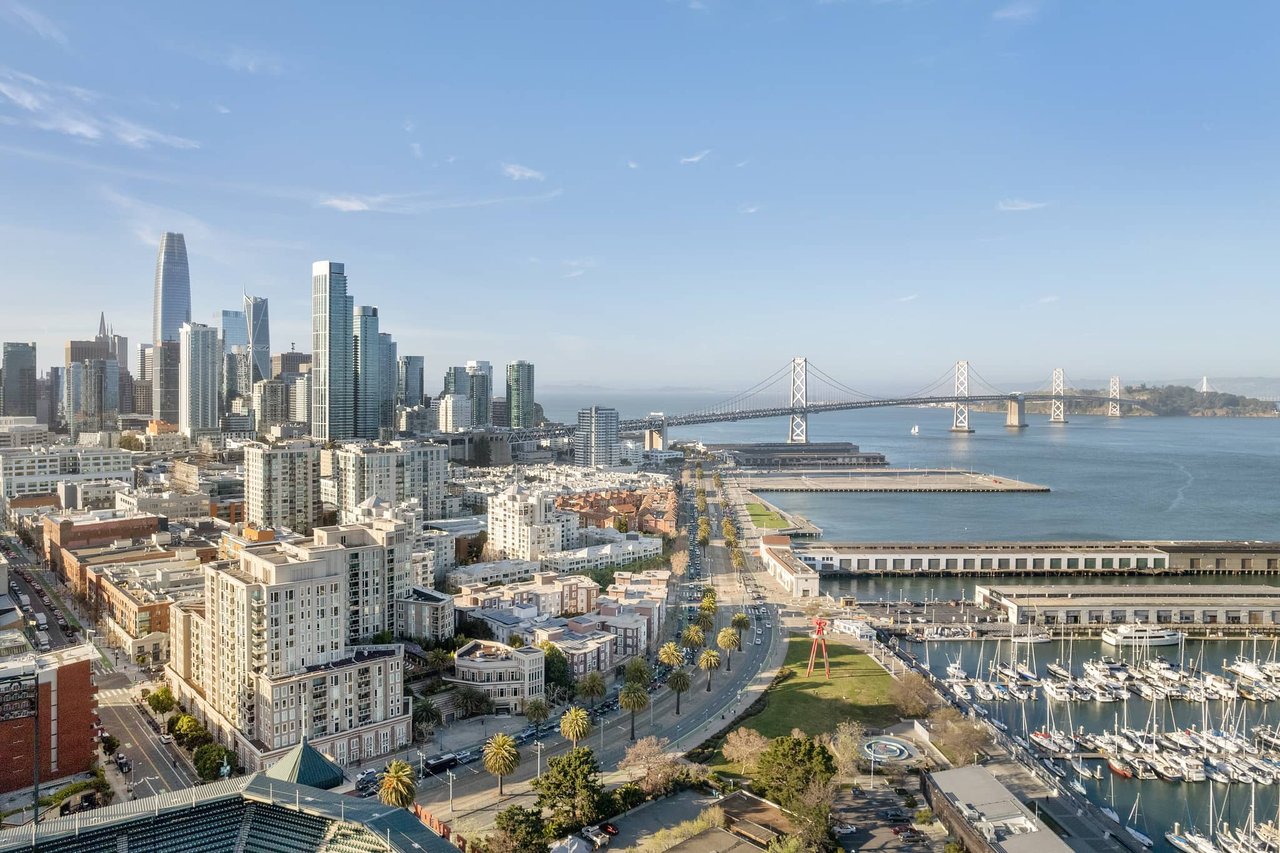
What South Beach condo buyers need to know in 2026: prices, buildings, and strategy.

CONTACT SEAN MAMOLA AT RISES.CO
CA DRE# 02056250
891 Beach St.,
San Francisco CA 94109