How HOA Dues And Special Assessments Work In SF High‑Rises
Rises.co | December 4, 2025
Rises.co | December 4, 2025
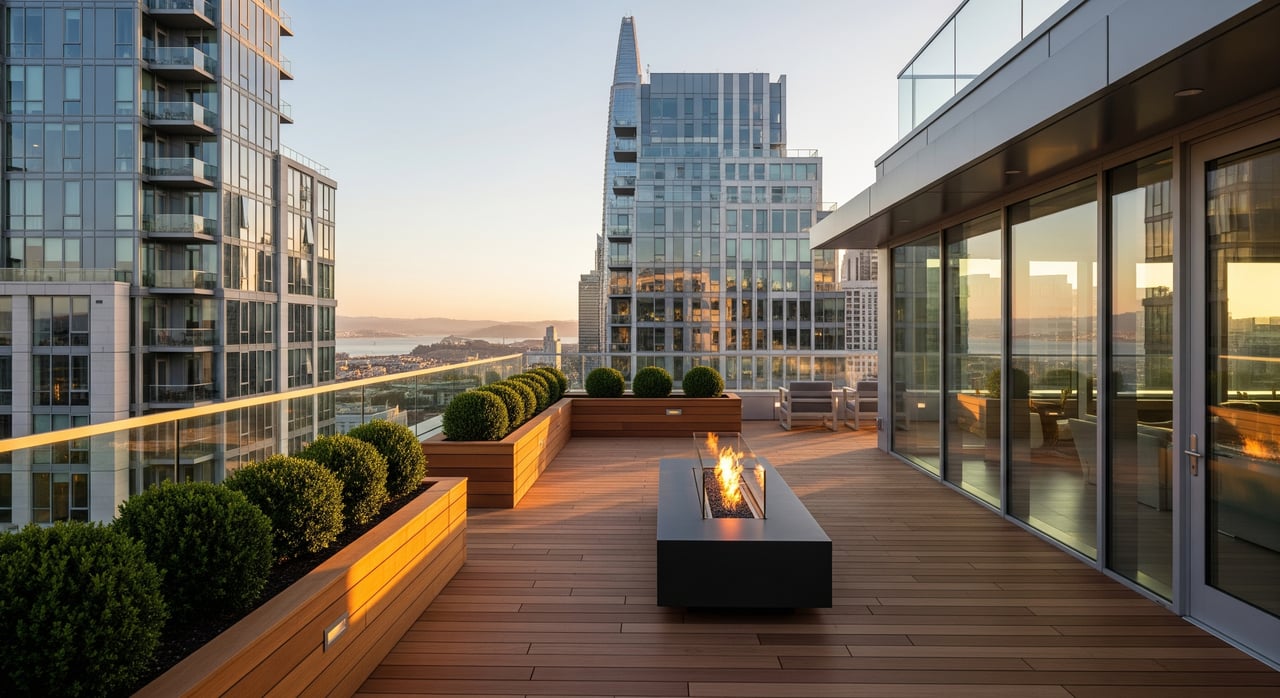
Wondering why two similar Yerba Buena condos can have very different HOA dues or surprise owners with a big special assessment? In high-rise living, the numbers are driven by real building costs, staffing models, and long-term planning. You want clarity so you can budget with confidence and avoid unpleasant surprises. This guide breaks down how dues work, what triggers assessments in San Francisco towers, and how to vet an HOA package like a pro. Let’s dive in.
Your monthly HOA payment funds two buckets: the operating budget and the reserve fund. Together, they keep the building running today and set money aside for the big-ticket items tomorrow.
Two buildings can charge similar dues but have very different financial health. The difference often shows up in reserve funding.
Labor and vendor decisions shape your dues and your day-to-day experience.
Insurance structure affects both your monthly dues and your personal risk.
Special assessments are one-time charges to fund needs that regular dues and reserves cannot cover.
Ask for the complete HOA packet early in your contingency period so you have time to review and ask follow-up questions.
Elevate the conversation if you see any of the following.
If issues surface, consider protective steps.
High-amenity towers in Yerba Buena deliver a polished lifestyle, but they also carry real costs for staffing and complex systems. Strong reserves, transparent minutes, and sensible insurance are your best indicators of a healthy building. With a thorough document review and the right negotiation levers, you can choose the right home and budget with confidence.
If you want a discreet, expert partner to read the story behind the numbers and guide you through the HOA package, schedule a Private Consultation with Sean Mamola.
Primary phone
(415) 704-3640License Number
#02056250Address
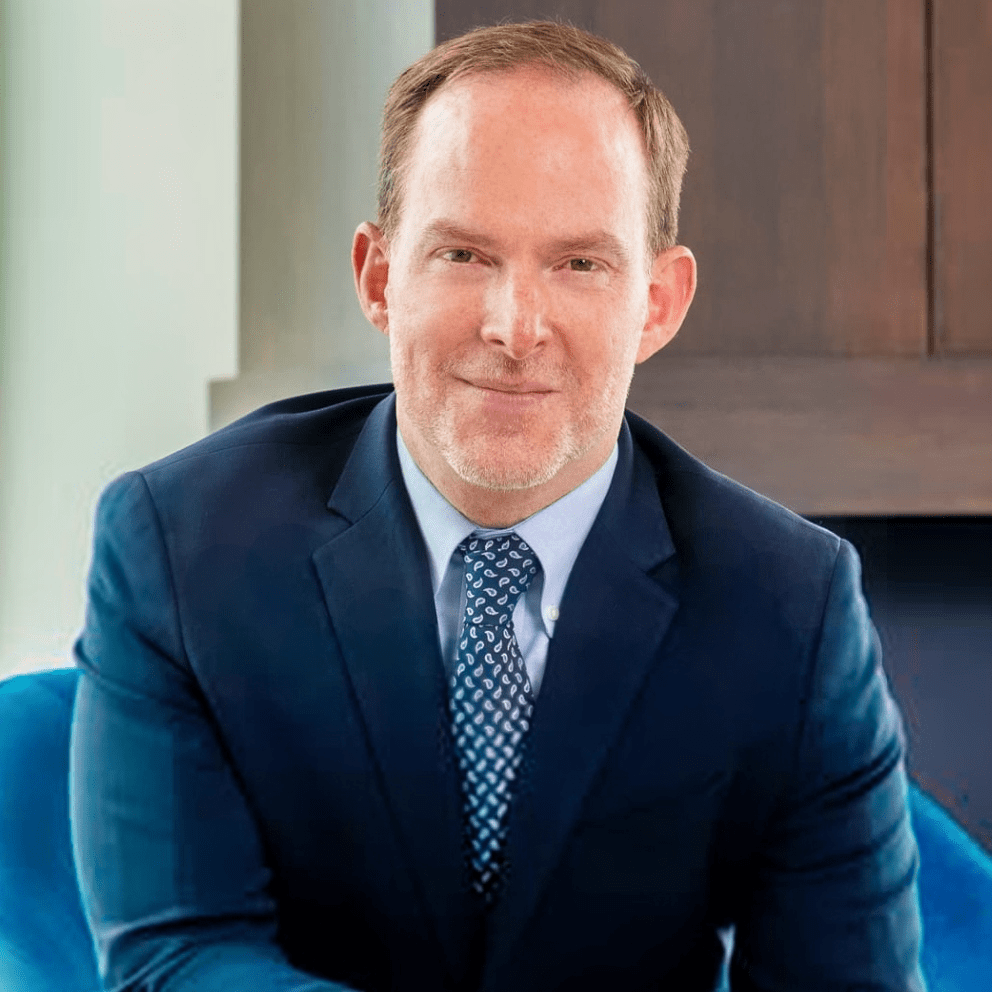
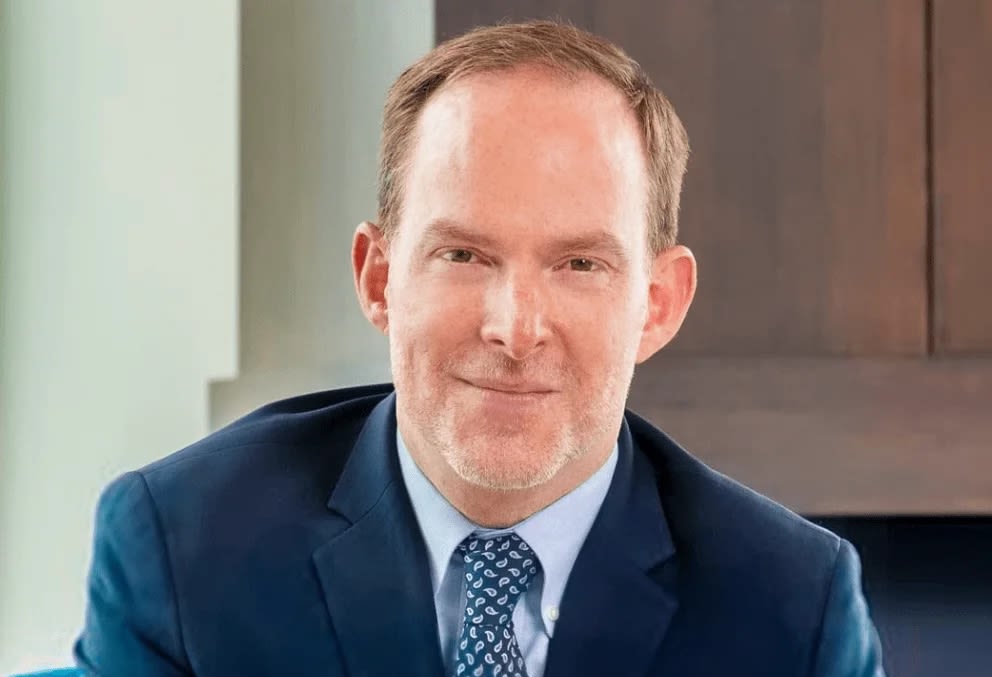
891 Beach St,Sean Mamola is a San Francisco real estate agent who specializes in luxury properties and penthouses throughout the city's most coveted neighborhoods. As a Global Luxury Specialist with Compass and Rises.co, Sean works with discerning clients who are buying and selling exceptional properties in San Francisco. Since 2018 he has closed 75+ transactions and more than $100M in sales volume across the city's high-rise condo and penthouse market.
Sean focuses on San Francisco's premier areas including South Beach, Yerba Buena, Mission Bay, Pacific Heights, Lower Pacific Heights, Russian Hill, and Nob Hill. His deep knowledge of these neighborhoods allows him to guide clients to properties that perfectly match their lifestyle and investment goals.
Whether you're drawn to the modern luxury of South Beach condos, the urban sophistication of Yerba Buena, the waterfront appeal of Mission Bay, the timeless elegance of Pacific Heights, the historic charm of Russian Hill, or the prestigious heights of Nob Hill, Sean understands what makes each area unique.
For Sellers
Sean creates comprehensive marketing strategies that attract qualified buyers with refined tastes. He believes in elegant staging with meticulous attention to detail, ensuring your property makes an unforgettable impression. His marketing reaches both international and local luxury markets, maximizing exposure for condos, penthouses, condotels, and new developments.
For Buyers
Using cutting-edge technology and market research, Sean carefully analyzes pricing and property trends to find homes that satisfy his clients' specific preferences, price points, and lifestyles. His 24/7 availability and white-glove service ensure you never miss the right opportunity.
Working with Sean and his partnership with Rises.co gives clients significant competitive advantages. His vast network of interconnected agents results in winning offers and an impressively low ratio of properties shown to offers accepted. Sean's impeccable work ethic and precise negotiation skills ensure sellers find the right buyer and buyers secure their dream home.
Before becoming a licensed real estate agent, Sean spent years in luxury hospitality, skills he applies to every client relationship and transaction. He has tremendous respect for people's privacy and consistently exceeds expectations – from international travel to execute transactions to handling unique special requests.
As a Bay Area native who lived in New York City for 15 years, Sean brings a global perspective and genuine appreciation for people from all walks of life. His diverse background helps him connect with clients whether they're local San Francisco residents or international buyers seeking their perfect property.
When not working, Sean enjoys cycling, spending time with his large Irish-Italian family, and volunteering for Food Runners, The Richmond/Ermet Aid Foundation (REAF), and Broadway Cares/Equity Fights AIDS. This community involvement reflects his commitment to giving back to the city he serves.
If you're looking for an exceptional San Francisco real estate agent who specializes in luxury properties and provides truly high-touch service, let's talk. Sean is ready to help you find your perfect San Francisco home or achieve the best possible outcome when selling your property.
Specializing in luxury condos, penthouses, and exceptional properties in South Beach, Yerba Buena, Mission Bay, Pacific Heights, Lower Pacific Heights, Russian Hill, and Nob Hill.
Stay up to date on the latest real estate trends.

Sean Mamola | September 17, 2026
The condo median climbed 22% while sales slowed. Here's what actually moved, and what it means this fall.
September 17, 2026

September 10, 2026

Sean Mamola | September 9, 2026
Sell first or buy first? A 2026 guide for San Francisco move-up sellers.

Sean Mamola | September 8, 2026
Selling a San Francisco condo with tenants in place: your options in 2026.

Sean Mamola | September 5, 2026
As-is or renovate before selling? A 2026 decision guide for SF condo sellers.

Sean Mamola | September 4, 2026
Capital gains on a San Francisco home sale, explained for 2026 sellers.

Sean Mamola | September 3, 2026
One investor now controls eleven storefronts across three blocks. The restaurant announcements are the visible part.

Sean Mamola | September 3, 2026
The real costs of selling a San Francisco condo in 2026, broken down.
CONTACT SEAN MAMOLA AT RISES.CO
CA DRE# 02056250
891 Beach St.,
San Francisco CA 94109