What Escrow Actually Does in a San Francisco Closing
Sean Mamola | February 5, 2026

Sean Mamola | February 5, 2026
The escrow company manages dozens of behind-the-scenes steps between accepted offer and recorded deed, from holding the earnest money deposit to disbursing funds at closing
The preliminary title report ("prelim") is the first step in escrow, revealing liens, easements, judgments, and anything else attached to the property
The prelim routinely surfaces issues that aren't visible during the home search, from easements that limit renovations to tax assessments that significantly increase ownership costs
Newer Transbay district buildings like 181 Fremont, The Avery, and MIRA carry Mello-Roos taxes that can exceed $15,000 per year on top of regular property taxes
Title insurance protects against past problems, not future ones, covering fraud, forged deeds, and title company errors
In San Francisco, buyers pay escrow and title insurance costs, unlike some other California markets
Most San Francisco buyers know they need escrow to close. But what actually happens once escrow opens, and why it matters, is something most people only vaguely understand until they're in the middle of it.
"I sat down with Rosalie Cicogna, Sales Executive with Old Republic Title, to walk through the escrow process step by step. Whether you're buying a $1.2 million condo or a $12 million penthouse, this is where your investment gets protected.
Once your offer is accepted and escrow opens, the escrow company becomes the neutral third party managing the entire transaction. Here's what that looks like from their side of the table.
"Most buyers interact with their escrow officer a handful of times," says Cicogna. "But behind the scenes, we're coordinating dozens of moving pieces from the day escrow opens to the day we record."
It starts with opening the escrow file: receiving the signed purchase agreement, establishing the escrow account, and collecting the buyer's earnest money deposit, which the escrow company holds in a neutral account until closing. From there, the title search begins immediately.
While the buyer is scheduling inspections and the lender is ordering an appraisal, the escrow company is pulling the preliminary title report, reviewing it for issues, and tracking every contingency deadline in the contract. They're also making sure all required documents are present and accounted for, which gets especially involved with San Francisco property types like tenancy-in-common (TIC) units, where there may be co-ownership agreements and house rules signed by the current owner years ago.
"TICs are a unique part of this market. The escrow process for a TIC is more involved than for a standard condo; having an experienced escrow officer who knows what to look for makes a real difference.
As contingencies are removed, the escrow officer collects each signed removal and keeps all parties on schedule. Once the lender issues final loan approval, the escrow company receives the loan documents and prepares the full closing package. Then comes signing: the buyer and seller execute all closing documents, typically at the escrow office or with a mobile notary. The buyer wires their remaining funds, the lender funds the loan, and the escrow company verifies that every dollar is accounted for.
The final step is recording: the escrow company submits the new deed to the San Francisco County Recorder's Office, officially transferring ownership. Once it's recorded, the escrow company disburses funds, paying off any existing liens, commissions, and transfer taxes, and wiring the seller their net proceeds.
By the time a buyer gets the keys, the escrow company has quietly handled dozens of steps to make sure the transaction closes cleanly.
Of all those steps, the preliminary title report is the one worth understanding in detail. The "prelim" is essentially a deep dive into the property's legal history.
"We're searching public records to uncover anything attached to that property," explains Cicogna. "Tax liens, mortgage liens, easements, CC&Rs, judgments, ownership disputes, any recorded encumbrance that could affect the buyer."
Think of it as running a background check on the property itself. Who legally owns it? What debts are tied to it? Are there restrictions or third-party claims a buyer needs to know about? The prelim answers all of that.
Cicogna shared a striking example from her experience: a title search that uncovered more than $600,000 in liens on a property listed at $1.2 million.
Without that search, those liens would have been completely invisible.
In most cases, liens are simply paid off through escrow; the funds come directly out of the seller's proceeds at closing. So a seller carrying $600,000 in liens on a $1.2 million sale walks away with dramatically less money after closing costs. It's routine, but the financial impact on the seller is very real.
"It typically doesn't affect the buyer unless the liens exceed the property's value," Cicogna explains. That scenario is rare, mainly teardowns or properties with major structural issues, but it does happen.
The prelim also reveals the property's full tax picture, including one line item that catches a lot of buyers off guard: Mello-Roos assessments.
Mello-Roos taxes, formally called Community Facilities District (CFD) taxes, fund public infrastructure like streets, parks, and transit in developing areas. They show up on the prelim alongside regular property taxes, and in certain San Francisco neighborhoods, they're substantial.
"This is something I always flag for buyers looking at newer buildings in the South Beach and Yerba Buena area. Buildings like 181 Fremont, The Avery, and MIRA fall within the Transbay district, and the Mello-Roos there can add thousands to your annual tax bill."
How much? One two-bedroom at The Avery has an annual Transbay CFD tax exceeding $15,000, on top of regular property taxes. One Steuart Lane and other newer constructions carry similar assessments. Meanwhile, older buildings in the same neighborhoods, like The Infinity and LUMINA, are grandfathered in and don't carry Mello-Roos at all.
"That's a meaningful cost difference. A good agent makes sure you understand the full picture of ownership costs before you make an offer, not after.
Beyond facilitating the transaction, the escrow company also provides title insurance, which Cicogna frames with an analogy that makes it click immediately:
"Health insurance protects you against things that go wrong in the future. Title insurance protects you against things that went wrong in the past."
On the prelim, you'll see title insurance listed as "ALTA," which stands for American Land Title Association, for single-family homes and condominiums. Co-ops and TICs may have a different policy structure.
The coverage is broader than most buyers realize. If someone were to falsify a deed and steal ownership of your property, title insurance could cover your temporary housing, all legal fees, and ultimately protect your ownership rights (depending on your exact policy). It also covers errors: if any title company in the property's history made a mistake in a prior search, your policy covers the losses.
"Deed fraud is a real and growing concern. Title insurance is the protection that stands between homeowners and that kind of nightmare.
And buyers aren’t just protected against fraud; they’re protected against honest mistakes made by professionals throughout the entire chain of title.
One last thing worth knowing: in San Francisco, the buyer pays for escrow and title insurance. That's different from some other California markets where the seller traditionally picks up those costs.
"I always make sure my clients understand the full scope of closing costs before we start making offers. No surprises at the closing table!
For buyers: Understanding the escrow process, especially the prelim report and Mello-Roos assessments, is essential before making an offer. Buyers in newer South Beach and Yerba Buena buildings should factor in the significantly higher annual taxes from the Transbay CFD. Always ask for a preliminary title report review with your escrow officer and agent before removing contingencies.
For sellers: Proactively ordering a prelim before listing can identify and resolve potential issues, like old liens or missing documents, before they become deal-killers during escrow. This is especially important for TIC sellers who may need to locate co-ownership agreements or house rules from years ago.
For luxury market participants: At higher price points, the stakes of escrow are amplified. A $600,000 lien on a $1.2 million property is one situation; on an $8 million penthouse in a building like 181 Fremont, the complexity of title, tax, and insurance considerations increases proportionally. Working with experienced escrow and title professionals who specialize in San Francisco's luxury market is not optional; it's essential.
What is a preliminary title report? A preliminary title report is a document prepared by a title company that searches public records to reveal a property's ownership history, outstanding liens, easements, CC&Rs, judgments, and other encumbrances. It's the foundation of the escrow process and is pulled as the very first step when escrow opens.
How long does escrow typically take in San Francisco? Most residential escrow periods in San Francisco run 30 days for all-cash transactions and 30 to 45 days for financed purchases, though timelines can vary based on the complexity of the transaction.
What are Mello-Roos taxes and which San Francisco buildings have them? Mello-Roos taxes are special assessments that fund public infrastructure in designated Community Facilities Districts. In San Francisco, newer buildings in the Transbay area, including 181 Fremont, The Avery, MIRA, and One Steuart Lane, carry these additional annual taxes, which can add thousands of dollars to ownership costs beyond regular property taxes.
What is ALTA title insurance? ALTA stands for American Land Title Association. It's the broadest form of title insurance available and is standard for single-family homes and condominiums. ALTA policies protect against both recorded and unrecorded title defects, including fraud, forgery, easements, and errors in prior title searches.
Does the buyer or seller pay for escrow in San Francisco? In San Francisco, the buyer traditionally pays for escrow and title insurance costs. This differs from some other parts of California where the seller covers these expenses.
How much do escrow and title insurance cost in San Francisco? Costs vary based on the purchase price, but as a general guideline, San Francisco buyers should budget roughly 1% to 2% of the purchase price for total closing costs (excluding any loan origination points). On a transaction in the $1 million to $1.5 million range, that typically means $10,000 to $15,000 in total closing costs. Within that, escrow fees run approximately $2,000, and title insurance, which includes both an owner's policy and a lender's policy if you're financing, can run $4,000 to $5,000 combined. Above the $3 million mark, costs increase more significantly, so it's worth asking your escrow officer for a detailed estimate early in the process.
What happens if liens are found on a property during escrow? Liens discovered during the title search are typically paid off from the seller's proceeds at closing. The escrow company obtains payoff demands from creditors and ensures all liens are cleared before the title transfers to the buyer.
Navigating escrow on a San Francisco purchase?
As a Global Luxury Specialist with Compass, I specialize in San Francisco's premier neighborhoods including South Beach, Yerba Buena, Mission Bay, Pacific Heights, Russian Hill, and Nob Hill. With a background in luxury hospitality and deep expertise in the Bay Area market, I help buyers and sellers navigate every phase of the transaction, from offer strategy through closing.
📞 Call or text: (415) 704-3640
📅 Schedule a consultation: Book a time to discuss your goals
Special thanks to Rosalie Cicogna, Sales Executive with Old Republic Title, for sharing her expertise on the escrow and title process.
Primary phone
(415) 704-3640License Number
#02056250Address
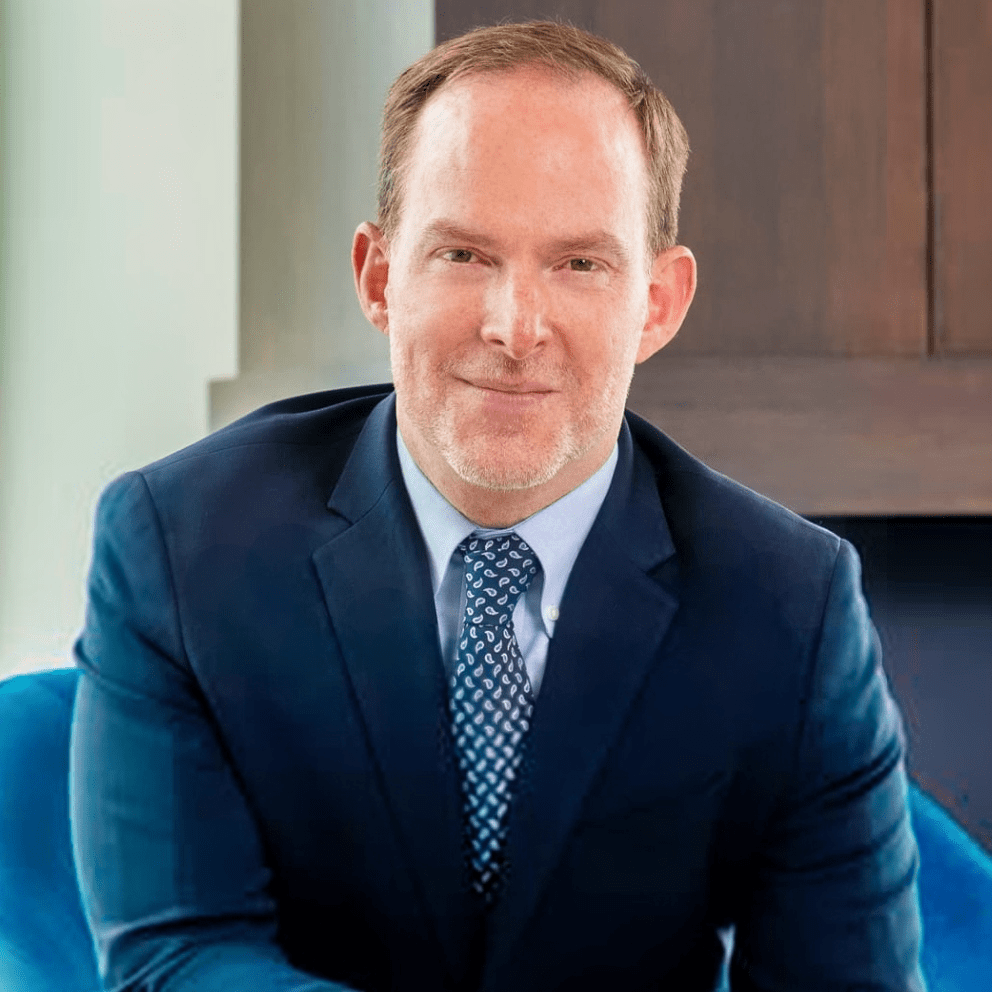
891 Beach StSean Mamola is a San Francisco real estate agent who specializes in luxury properties and penthouses throughout the city's most coveted neighborhoods. As a Global Luxury Specialist with Compass and Rises.co, Sean works with discerning clients who are buying and selling exceptional properties in San Francisco. Since 2018 he has closed 75+ transactions and more than $100M in sales volume across the city's high-rise condo and penthouse market.
Sean focuses on San Francisco's premier areas including South Beach, Yerba Buena, Mission Bay, Pacific Heights, Lower Pacific Heights, Russian Hill, and Nob Hill. His deep knowledge of these neighborhoods allows him to guide clients to properties that perfectly match their lifestyle and investment goals.
Whether you're drawn to the modern luxury of South Beach condos, the urban sophistication of Yerba Buena, the waterfront appeal of Mission Bay, the timeless elegance of Pacific Heights, the historic charm of Russian Hill, or the prestigious heights of Nob Hill, Sean understands what makes each area unique.
For Sellers
Sean creates comprehensive marketing strategies that attract qualified buyers with refined tastes. He believes in elegant staging with meticulous attention to detail, ensuring your property makes an unforgettable impression. His marketing reaches both international and local luxury markets, maximizing exposure for condos, penthouses, condotels, and new developments.
For Buyers
Using cutting-edge technology and market research, Sean carefully analyzes pricing and property trends to find homes that satisfy his clients' specific preferences, price points, and lifestyles. His 24/7 availability and white-glove service ensure you never miss the right opportunity.
Working with Sean and his partnership with Rises.co gives clients significant competitive advantages. His vast network of interconnected agents results in winning offers and an impressively low ratio of properties shown to offers accepted. Sean's impeccable work ethic and precise negotiation skills ensure sellers find the right buyer and buyers secure their dream home.
Before becoming a licensed real estate agent, Sean spent years in luxury hospitality, skills he applies to every client relationship and transaction. He has tremendous respect for people's privacy and consistently exceeds expectations – from international travel to execute transactions to handling unique special requests.
As a Bay Area native who lived in New York City for 15 years, Sean brings a global perspective and genuine appreciation for people from all walks of life. His diverse background helps him connect with clients whether they're local San Francisco residents or international buyers seeking their perfect property.
When not working, Sean enjoys cycling, spending time with his large Irish-Italian family, and volunteering for Food Runners, The Richmond/Ermet Aid Foundation (REAF), and Broadway Cares/Equity Fights AIDS. This community involvement reflects his commitment to giving back to the city he serves.
If you're looking for an exceptional San Francisco real estate agent who specializes in luxury properties and provides truly high-touch service, let's talk. Sean is ready to help you find your perfect San Francisco home or achieve the best possible outcome when selling your property.
Specializing in luxury condos, penthouses, and exceptional properties in South Beach, Yerba Buena, Mission Bay, Pacific Heights, Lower Pacific Heights, Russian Hill, and Nob Hill.
Stay up to date on the latest real estate trends.
Sean Mamola | October 22, 2026
A Saturday Halloween runs from a Church Street dog parade to Fair Oaks after dark

Sean Mamola | October 19, 2026
Off-market or on the MLS? A 2026 guide for San Francisco condo sellers.

Sean Mamola | October 16, 2026
How a 1031 exchange defers capital gains on a San Francisco investment property.

Sean Mamola | October 15, 2026
One construction fence comes down, and another goes up across Post Street.

Sean Mamola | October 15, 2026
The disclosures and reports a San Francisco seller must provide in 2026.

Sean Mamola | October 14, 2026
What Yerba Buena condo buyers need to know in 2026: value, buildings, and leverage.
Sean Mamola | October 13, 2026
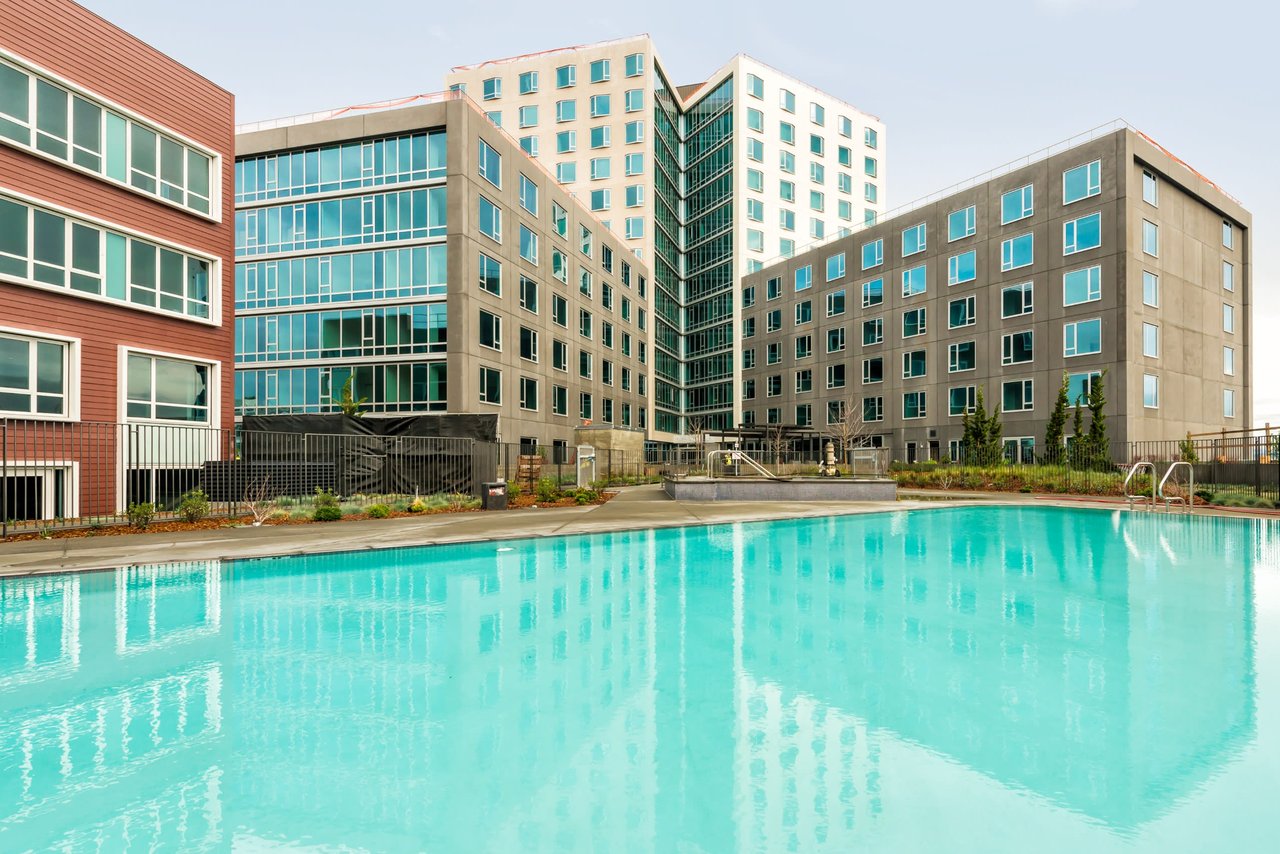
What Mission Bay condo buyers need to know in 2026: prices, buildings, and pace.

Sean Mamola | October 12, 2026
Two-thirds of condos sold over asking and the median rose 23%. Then mortgage rates climbed to 7.40%. Here's how I'm reading both.
Sean Mamola | October 12, 2026
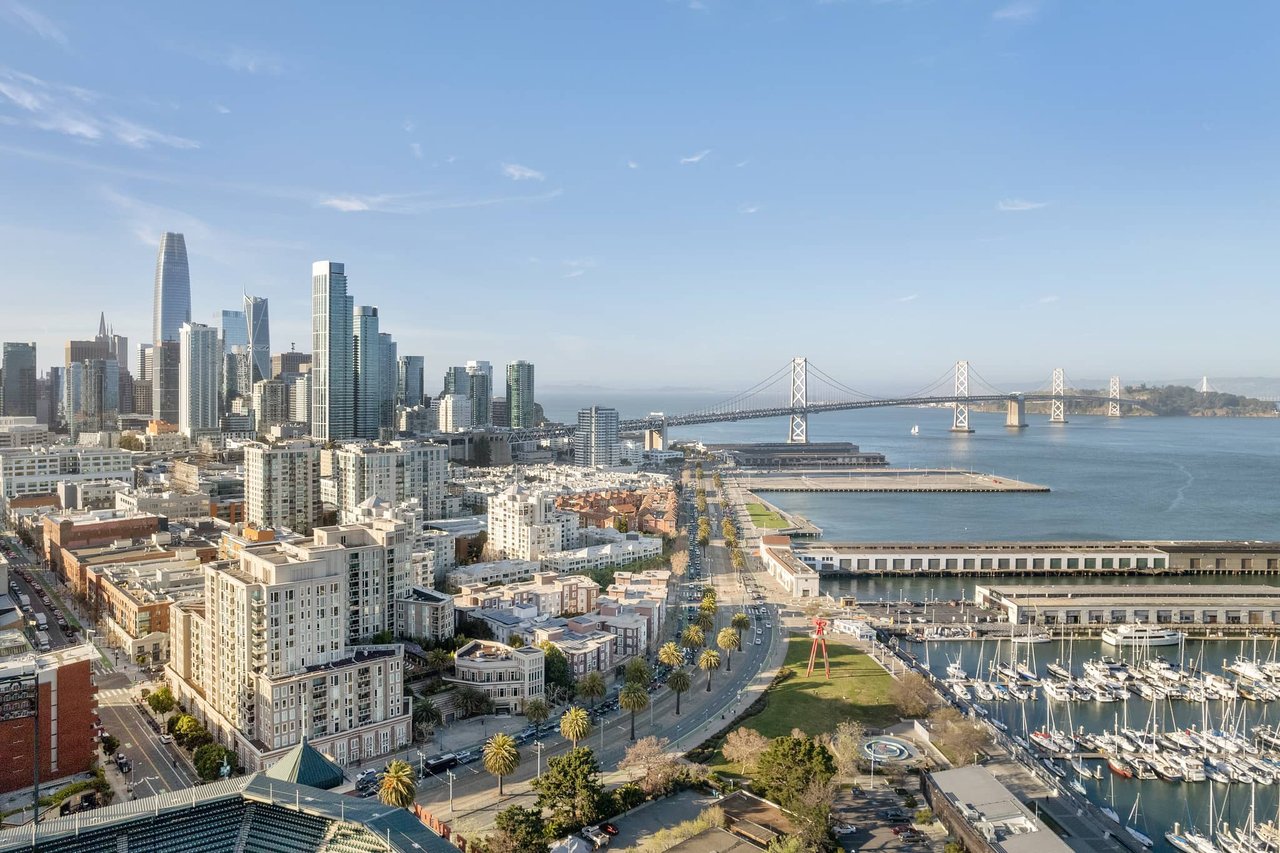
What South Beach condo buyers need to know in 2026: prices, buildings, and strategy.
CONTACT SEAN MAMOLA AT RISES.CO
CA DRE# 02056250
891 Beach St.,
San Francisco CA 94109