Finding A Quiet High‑Rise Home Near Oracle Park
Rises.co January 15, 2026
Rises.co January 15, 2026
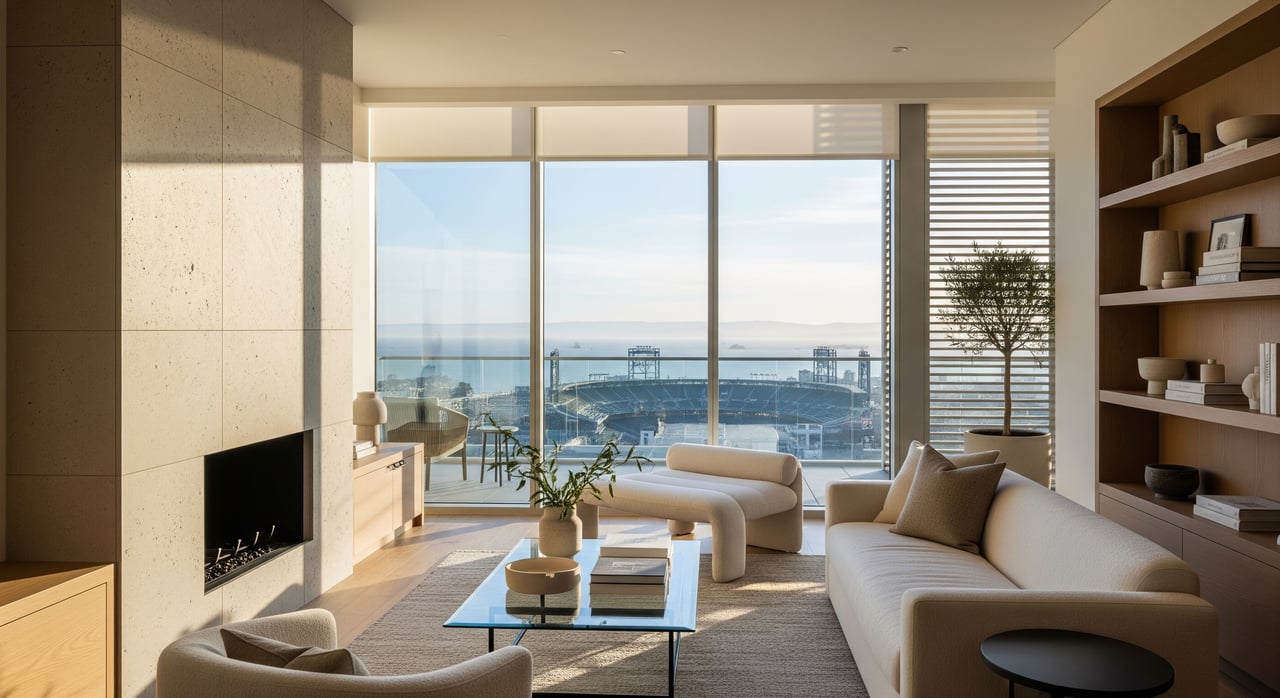
Love the energy of Oracle Park but want peace when you close the door? You’re not alone. Many Mission Bay buyers want the ballpark lifestyle without game‑day noise bleeding into daily life. In this guide, you’ll learn exactly how to choose the right stack, windows, and tour timing to find a calm high‑rise home near the stadium. Let’s dive in.
Oracle Park hosts the San Francisco Giants’ home schedule, which means many event nights each year plus occasional concerts and festivals. Noise typically peaks before first pitch, at the start, during the 7th‑inning stretch, and as crowds exit. Concerts can include amplified sound and may run later.
Traffic patterns also matter. King Street, 3rd Street, and 4th Street handle most pre‑ and post‑game flows, which brings idling, honking, and rideshare queues. The Muni T‑Third runs along 3rd Street and Caltrain operates at 4th and King, so you can hear train passbys and announcements at times. Nearby freeway segments like I‑280 and US‑101 add a steady background hum for some buildings.
Sound travels well over open water and across wide streets. If a unit has a direct sightline into the stadium bowl or the main plazas, crowd roar and amplified sound travel more easily. Low‑frequency sound, like bass and crowd noise, carries further and penetrates glazing more than high‑frequency sound.
You’ll want to evaluate two conditions: baseline noise on a normal day, and event noise on game or concert nights. Baseline noise reflects daily traffic, rail operations, and local activity. Event noise is episodic and predictable, so you can plan around it and reduce it with smart unit selection.
Be clear on your use case. If you need a quiet home office or are a light sleeper, set a higher bar for exposure, glazing quality, and ventilation that lets you keep windows closed comfortably.
Pick units whose main windows and balconies face away from Oracle Park and the primary arteries. Internal courtyards, quieter residential streets, or rooftops of adjacent buildings that block direct lines to the stadium usually feel calmer.
Corner stacks that look out to two quieter directions can be a sweet spot. If you can see straight into the ballpark bowl or main plazas, expect louder event nights, even with quality windows.
Mid to high floors reduce street‑level and pedestrian noise. That said, stadium noise can project upward. You may still hear a distant cheer or bass note on higher floors, but it typically drops with distance and angle. Units at or near podium level, especially by active plazas or sidewalks, feel the most impact on game nights.
Setback helps. Intervening buildings, trees, or broad plazas between your facade and the stadium can knock down sound energy.
Glazing and seals are your frontline defense. Acoustic performance is often described by STC (Sound Transmission Class) for airborne sound and OITC (Outdoor‑Indoor Transmission Class) for exterior noise that includes lower frequencies. Higher ratings generally mean better reduction.
Look for laminated glass or varied‑thickness double glazing at minimum. Laminated interlayers help reduce resonance and control mid‑ to high‑frequency noise. Specialized acoustic or triple‑pane units with robust frames and proper seals perform best, especially for lower‑frequency content like bass.
Balcony doors are common weak links. Sliding doors need intact gaskets, straight tracks, and continuous compression at the seals. Frames should be thermally broken where possible, with continuous weatherstripping. Wherever you can, ask for window specifications and any available STC/OITC data. When data isn’t available, inspect the glazing thickness, look for laminated panes, and pay close attention to the condition of seals.
An open balcony facing the ballpark will let in sound regardless of window quality. Recessed balconies and solid balustrades help reduce direct sound paths. If you love using the balcony and plan to keep doors open often, factor in higher interior noise on event nights.
Mechanical ventilation and air conditioning are key in busier settings. If a building lets you bring in fresh air and cool the home without opening windows, you can keep a quiet interior during games. Check that fans are quiet and that any exterior air intakes do not face the noisiest direction.
A “stack” is a vertical line of units in the same position on every floor. Stacks determine your exposure, your view, and often your noise profile.
Experienced agents can accelerate this step. Ask for stack diagrams or floor plates from listing agents or building management to see orientation quickly. Reviewing HOA minutes and manager feedback can reveal which stacks draw the most complaints. A quick satellite view and sightline check can also pre‑screen units before you tour.
Plan at least two showings. First, book a private, off‑peak visit on a weekday to understand baseline comfort and to test ventilation, HVAC, and seals without crowds. Then, if possible, visit during a representative event such as a midweek game or a weekend date to hear real‑world conditions.
Also check during rush hour or later at night to assess traffic patterns and nightlife. If you cannot attend during a game, ask management if they can share interior recordings from prior events (though first‑hand listening is best).
Bring a simple decibel app for rough comparisons and a notepad. Sit quietly in the living room and primary bedroom for several minutes. Note steady hums, intermittent spikes like sirens or cheers, and low‑frequency rumbles.
Open and close windows and balcony doors to compare worst‑case to typical living. Walk the perimeter of the unit and hallway to listen for elevator noise, plumbing thumps, or mechanical hum. Toggle HVAC to check fan sound and whether you can ventilate without opening windows.
Examine balcony door tracks and seals. Look for cracked or flattened gaskets and gaps at thresholds. Note if the balcony is recessed and whether the railing is solid or open; solid and recessed designs typically reduce direct sound.
Visually gauge setback. How many stories above the street are you? Do nearby buildings, trees, or a plaza stand between you and the ballpark? More layers between you and the stadium generally means less direct noise.
Ask about event frequency, any noise policies, and how the building handles crowd flows on game days. Confirm quiet hours, staffing adjustments, and whether the building has taken steps to limit amplified sound near residential facades. If possible, speak with neighbors or concierge staff to get candid feedback on different stacks and floors.
If a stadium view is a must‑have, plan for top‑tier glazing, excellent seals, and reliance on closed‑window ventilation during events. If quiet is the priority, pick stacks and exposures that face away from the stadium, even if that sacrifices a direct view.
If you love open‑air living, know that balconies facing the stadium will feel louder on event nights. In those cases, prioritize recessed balconies and plan to keep doors closed during peak moments.
As a practical baseline, target laminated or thicker acoustic glazing, continuous seals on windows and doors, and a building with mechanical ventilation that makes closed‑window living comfortable. If you are highly noise‑sensitive or plan to set up a recording studio or critical home office, consider commissioning a professional acoustic assessment of the specific unit during a representative event.
You deserve the ballpark lifestyle without the soundtrack in your living room. With the right stack, glazing, and touring strategy, you can enjoy Mission Bay’s energy and still come home to calm.
Rises.co specializes in luxury high‑rise living across Mission Bay, South Beach, Yerba Buena, and SoMa. With a concierge, white‑glove approach and deep building‑level knowledge, we help you pre‑screen stacks, schedule private and event‑time tours, gather the right specs, and move with confidence. Ready to find a quiet residence steps from Oracle Park? Connect with Sean Mamola to schedule a private consultation.

Primary phone
(415) 704-3640License Number
#02056250Address
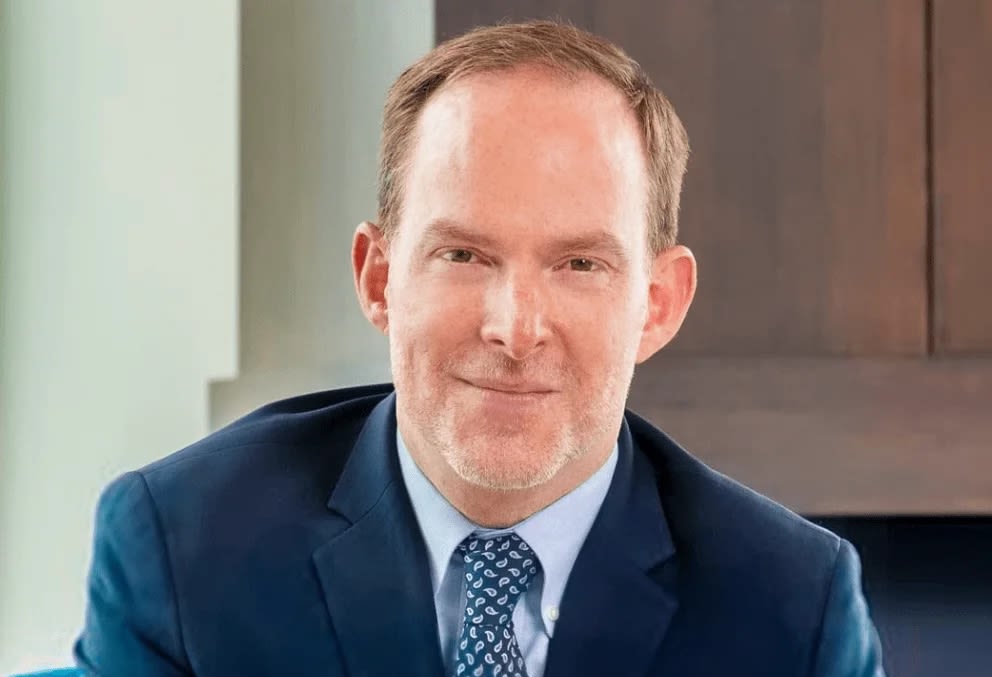
891 Beach St,Sean Mamola is a San Francisco real estate agent who specializes in luxury properties and penthouses throughout the city's most coveted neighborhoods. As a Global Luxury Specialist with Compass and Rises.co, Sean works with discerning clients who are buying and selling exceptional properties in San Francisco. Since 2018 he has closed 75+ transactions and more than $100M in sales volume across the city's high-rise condo and penthouse market.
Sean focuses on San Francisco's premier areas including South Beach, Yerba Buena, Mission Bay, Pacific Heights, Lower Pacific Heights, Russian Hill, and Nob Hill. His deep knowledge of these neighborhoods allows him to guide clients to properties that perfectly match their lifestyle and investment goals.
Whether you're drawn to the modern luxury of South Beach condos, the urban sophistication of Yerba Buena, the waterfront appeal of Mission Bay, the timeless elegance of Pacific Heights, the historic charm of Russian Hill, or the prestigious heights of Nob Hill, Sean understands what makes each area unique.
For Sellers
Sean creates comprehensive marketing strategies that attract qualified buyers with refined tastes. He believes in elegant staging with meticulous attention to detail, ensuring your property makes an unforgettable impression. His marketing reaches both international and local luxury markets, maximizing exposure for condos, penthouses, condotels, and new developments.
For Buyers
Using cutting-edge technology and market research, Sean carefully analyzes pricing and property trends to find homes that satisfy his clients' specific preferences, price points, and lifestyles. His 24/7 availability and white-glove service ensure you never miss the right opportunity.
Working with Sean and his partnership with Rises.co gives clients significant competitive advantages. His vast network of interconnected agents results in winning offers and an impressively low ratio of properties shown to offers accepted. Sean's impeccable work ethic and precise negotiation skills ensure sellers find the right buyer and buyers secure their dream home.
Before becoming a licensed real estate agent, Sean spent years in luxury hospitality, skills he applies to every client relationship and transaction. He has tremendous respect for people's privacy and consistently exceeds expectations – from international travel to execute transactions to handling unique special requests.
As a Bay Area native who lived in New York City for 15 years, Sean brings a global perspective and genuine appreciation for people from all walks of life. His diverse background helps him connect with clients whether they're local San Francisco residents or international buyers seeking their perfect property.
When not working, Sean enjoys cycling, spending time with his large Irish-Italian family, and volunteering for Food Runners, The Richmond/Ermet Aid Foundation (REAF), and Broadway Cares/Equity Fights AIDS. This community involvement reflects his commitment to giving back to the city he serves.
If you're looking for an exceptional San Francisco real estate agent who specializes in luxury properties and provides truly high-touch service, let's talk. Sean is ready to help you find your perfect San Francisco home or achieve the best possible outcome when selling your property.
Specializing in luxury condos, penthouses, and exceptional properties in South Beach, Yerba Buena, Mission Bay, Pacific Heights, Lower Pacific Heights, Russian Hill, and Nob Hill.
Stay up to date on the latest real estate trends.
Sean Mamola | September 21, 2026
The Fed just hiked for the first time since 2023. Before you wait, it's worth naming what you're waiting for.

Sean Mamola | September 17, 2026
The condo median climbed 22% while sales slowed. Here's what actually moved, and what it means this fall.
September 17, 2026

September 10, 2026

Sean Mamola | September 9, 2026
Sell first or buy first? A 2026 guide for San Francisco move-up sellers.

Sean Mamola | September 8, 2026
Selling a San Francisco condo with tenants in place: your options in 2026.

Sean Mamola | September 5, 2026
As-is or renovate before selling? A 2026 decision guide for SF condo sellers.

Sean Mamola | September 4, 2026
Capital gains on a San Francisco home sale, explained for 2026 sellers.

Sean Mamola | September 3, 2026
One investor now controls eleven storefronts across three blocks. The restaurant announcements are the visible part.
CONTACT SEAN MAMOLA AT RISES.CO
CA DRE# 02056250
891 Beach St.,
San Francisco CA 94109