SoMa Condo Market Trends: How Lofts and Towers Perform
Rises.co February 19, 2026
Rises.co February 19, 2026
Are you hearing mixed messages about SoMa condos and lofts? You are not alone. SoMa is not one market, but a set of micro-markets that behave very differently by building type and location. In this guide, you will see how pricing and days on market really move across hard lofts, boutique condos and high-rise towers, plus the financing and HOA details that can make or break resale. Let’s dive in.
SoMa’s housing stock is diverse, which creates a wide spread in values. You will find converted warehouses, mid-rise loft-style condos, modern towers and Mission Bay new-builds. That mix produces noticeable price dispersion by subarea and building era.
As a neighborhood-level starting point, a January 2026 Redfin snapshot showed a median sale price around $910,000, a median price per square foot near $865, and a median of about 60 days on market. Subareas diverge inside SoMa. For example, Central South of Market showed a January 2026 median around $669,000 with a median days on market near 42 days. Treat single-portal medians as illustrative because methods differ by site and by which subareas or unit types are included.
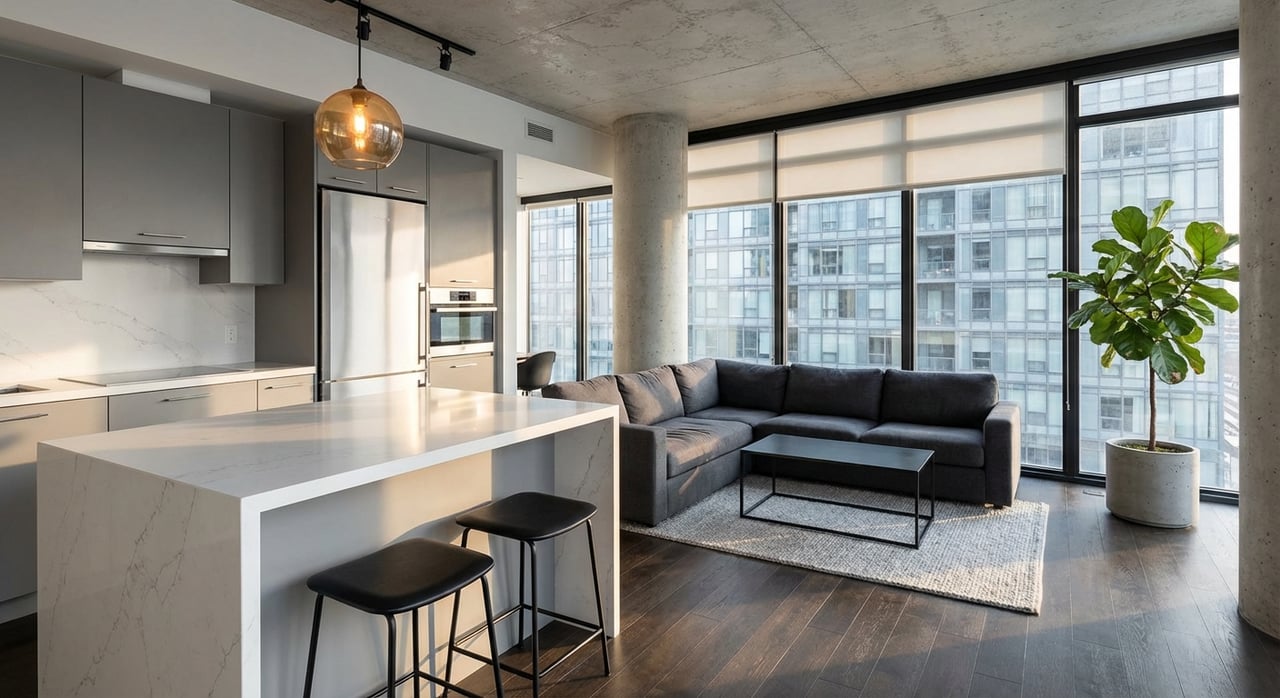
Converted warehouse lofts draw buyers who value volume, ceiling height and exposed structure more than turnkey finishes. Investor interest exists but can be limited by niche appeal and project rules. The buyer pool is smaller than for standardized one-bed condos, so pricing and preparation matter.
Liquidity and pricing typically sit in the mid six-figures to low seven-figures depending on size and building. Recent examples cited in MLS-sourced portals include a live/work loft at 60 Rausch Street closing around $1.02 million in August 2025 and a 355 Bryant Street loft closing near $1.30 million the same month. Days on market for well-positioned lofts often measure in weeks, though some listings linger in softer cycles.
Price drivers for lofts include raw square footage, ceiling height, light and exposure, plus practical features like parking or roof decks. Many lofts trade at a lower price per square foot than premium tower units but can command strong absolute prices when they offer larger footprints and parking.
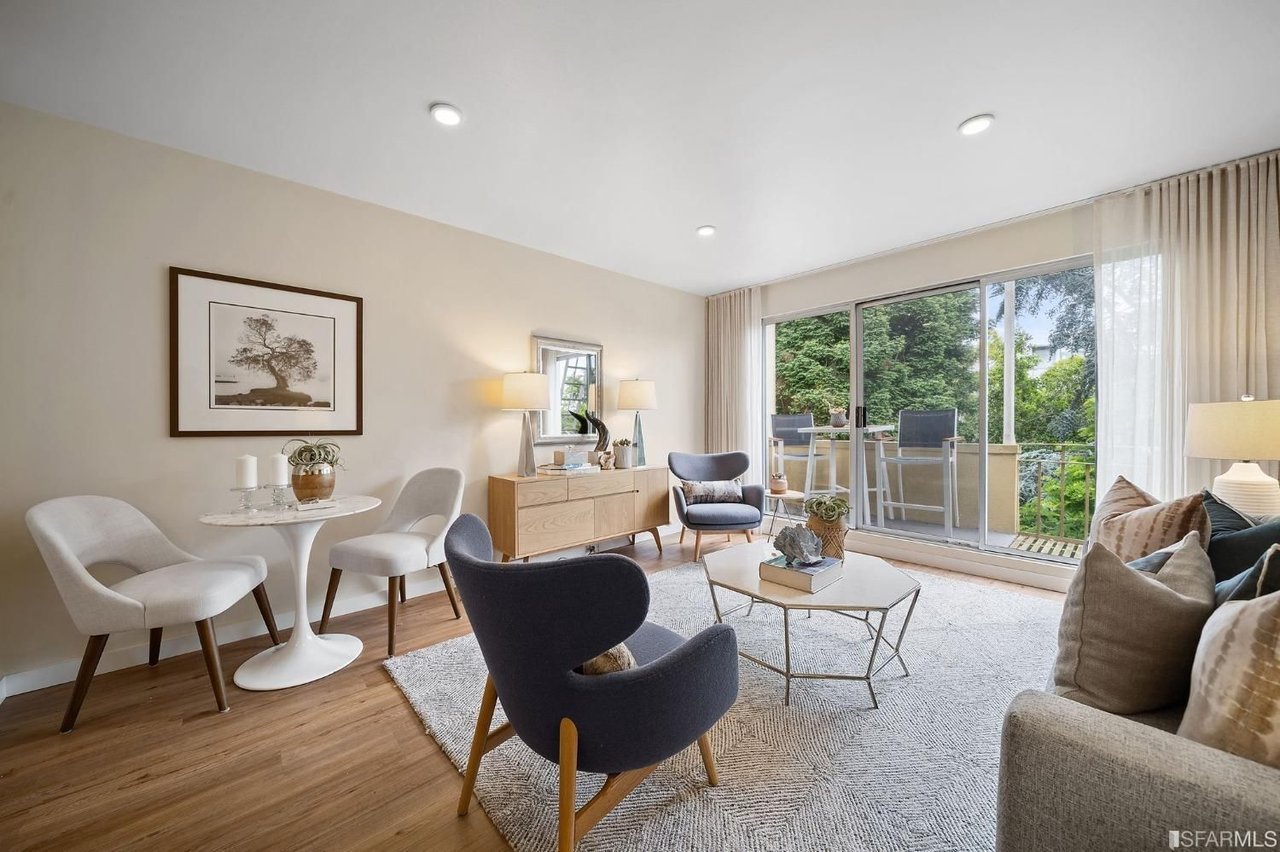
Boutique and mid-rise loft-style condos from the 2000s to 2010s often sell to a broader pool than hard lofts. These buildings can be relatively liquid when the HOA is stable and owner-occupancy is healthy. On a price-per-square-foot basis, they usually sit between classic loft conversions and flagship waterfront towers.
Inventory cycles can tighten quickly for these mid-rise buildings, especially when unique loft inventory is scarce. Finishes, building condition, parking options and HOA reputation still drive outcomes.
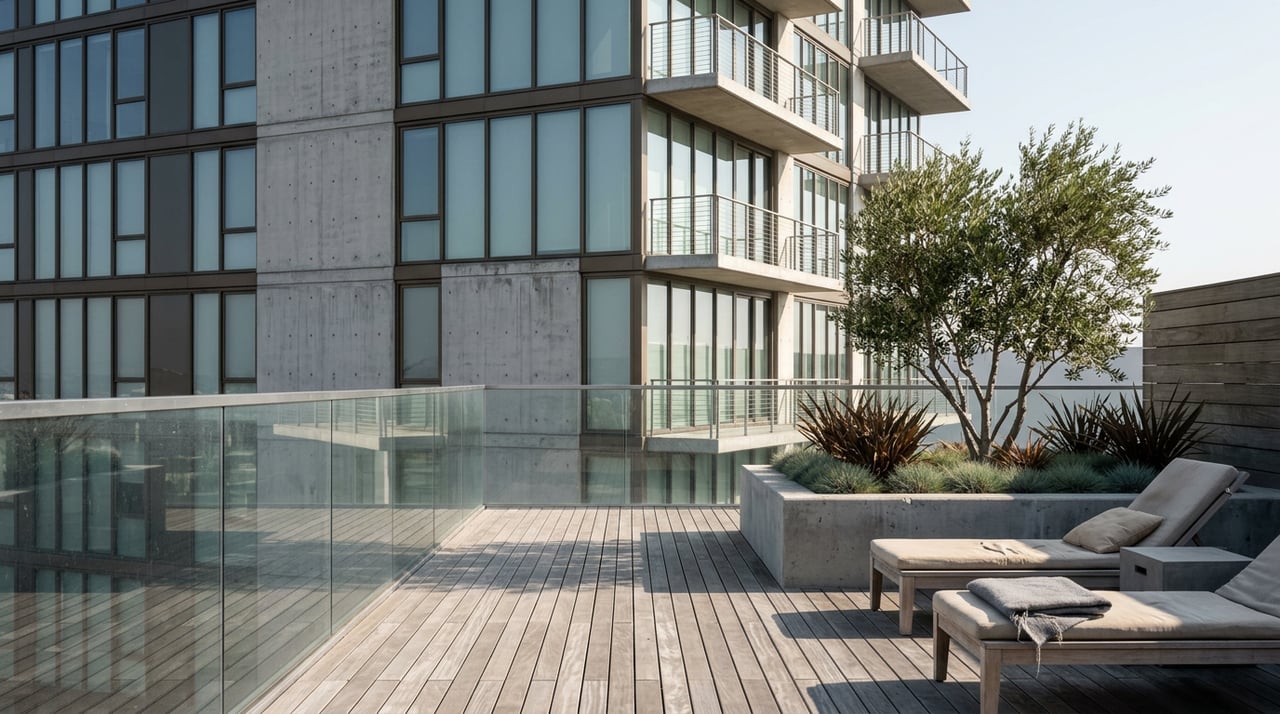
High-rise buyers often include move-up owners and those seeking full-service amenities. During 2021 and 2022, towers absorbed heavy demand, then felt more sensitivity to downtown office headwinds and remote-work patterns, which dampened some tiers of demand afterward. You can see this context in coverage of San Francisco condo trends from The Real Deal.
At the top end, full-service penthouses still command very high price-per-square-foot, and select Mission Bay and waterfront buildings have recorded multi-million dollar closings in 2024 and 2025. Liquidity varies by tier. Standardized mid-floor plans often move faster, while premium view stacks and penthouses sell at higher price-per-square-foot but can take longer to find the right buyer.
Building-specific risk matters more in towers. A single building’s structural or litigation issues can compress values and limit financing across every unit. The widely reported Millennium Tower situation shows how market confidence and resale performance can lag even after remediation, as covered by NBC Bay Area.
South Beach, waterfront and Rincon Hill addresses tend to carry the highest price-per-square-foot thanks to views, service levels and Embarcadero proximity. Premium wings and top floors usually capture strong pricing, though days on market can stretch at the ultra-premium tier while sellers wait for a best-fit buyer.
These core blocks concentrate more loft conversions and mid-rise condos. The Yerba Buena subarea and Central SoMa see prices that are lower on average than the waterfront, and days on market can be shorter for well-prepared, well-priced listings. Expect dispersion within just a few blocks based on building quality, parking and layout.
Mission Bay has long drawn buyers connected to research and life sciences. Local reporting notes that the lab and biotech market can move in cycles with new delivery and variable vacancy, which influences who targets Mission Bay compared with other SoMa subareas. See recent context in the San Francisco Chronicle’s coverage of Mission Bay’s biotech dynamics.
The best SoMa outcomes often hinge on project eligibility and HOA strength. Before you buy or list, make these checks part of your playbook.
Warrantability and agency tools. Lenders use Fannie Mae’s Condo Project Manager (CPM) and Freddie Mac’s Condo Project Advisor (CPA) to confirm if loans on a project are eligible for purchase. Reserve funding, owner-occupancy and delinquency levels are key review items. See Fannie Mae’s Selling Guide overview of the full review process for what underwriters look for.
Practical lender effects. Projects flagged as ineligible can see buyer pools shrink and values pressured, since many lenders will not buy those loans. Lender communications, such as Pennymac’s eligibility reminders, underscore the importance of verifying project status.
How to verify status. For larger buildings, check Fannie Mae’s Condo Status Finder to see if a project is listed as available, unavailable or needs a full review. Always confirm dates, since status can change.
HOA health and assessments. Request the HOA budget, recent financials and any reserve study. Lack of reserves or repeated special assessments raises holding costs and resale risk. The Fannie Mae Selling Guide also references reserve and delinquency thresholds that matter in underwriting.
Short-term rentals. San Francisco requires host registration and compliance. Many buildings also restrict or ban STRs in their CC&Rs. Always verify both the building rules and the city’s requirements via the Office of Short-Term Rentals before modeling any income.
Building-scale technical risk. Structural remediation, seismic needs or litigation can affect value and financing across an entire building, as the Millennium Tower example shows in NBC Bay Area’s reporting.
Anchor your search by product type and subarea. Decide if you prefer hard loft volume, boutique mid-rise convenience or full-service tower living. Then compare buildings within one micro-market.
Price with comps inside the building. For any target unit, pull 12 months of closed sales in the same stack or line where possible. Note days on market and price-per-square-foot.
Confirm financing pathways early. Ask your lender to review CPM or CPA eligibility and any conditions. If a project is marked unavailable, factor that into pricing and future resale.
Scrutinize the HOA. Request budgets, financials, reserve studies and meeting minutes. Look for planned capital projects and any special assessments.
Validate rules that affect use. Confirm parking rights, storage, pet policies and short-term rental restrictions before you offer.
Frame your list price with building-level comps. Use the most recent 3 to 6 closed sales in your building and adjust for exposure, floor level, parking and condition.
Prepare for underwriting questions. Assemble a clean disclosure package, HOA documents and any engineering or inspection reports. This reduces friction with buyers and lenders.
Present the lifestyle clearly. For towers, highlight amenity sets, service levels and commuting convenience. For lofts, lead with volume, light and flexible layouts.
Watch timing and tier. Standardized mid-floor tower units often move faster. If you are selling a premium view stack or penthouse, plan for a longer marketing runway and a targeted buyer match.
Track building-level risk. A single structural or litigation event can compress values across every unit in a tower. Monitor HOA communications and city filings.
Watch agency eligibility shifts. Changes in Fannie Mae or Freddie Mac status can ripple through an entire building’s buyer pool and pricing overnight.
Consider the biotech cycle in Mission Bay. Lab and life-science delivery volumes affect vacancy, which in turn influences the buyer profile and demand for Mission Bay condos specifically.
Use this quick list as you evaluate any SoMa condo or loft:
Subarea and building era: converted loft, boutique mid-rise or high-rise tower. Note ceiling heights, exposure and typical layouts.
Recent comps: at least three closed sales in the same building or line, with dates, price-per-square-foot and days on market.
Parking: confirm count, rights and any lift or tandem details that affect convenience and value.
HOA health: budget, reserves, delinquency rate, special assessments and litigation status.
Project eligibility: confirm Fannie Mae / Freddie Mac status and what financing buyers will realistically use.
Rules and use: short-term rental eligibility, pet policies and any building restrictions.
Building projects: seismic, facade, envelope or elevator work planned or in progress.
SoMa rewards precision. Hard lofts, boutique condos and high-rise towers do not trade the same way, and values shift block by block. If you match your product type to the right buyer pool, price with building-level comps and validate financing paths and HOA health, you can position your purchase or sale for a smoother result.
Do lofts or high-rises sell faster in SoMa today?
It depends on tier. Mid-priced, well-located lofts with parking can move quickly, while premium tower floors often achieve higher price-per-square-foot but can take longer in softer downtown cycles.
Why do HOA finances and CPM status matter for SoMa condos?
HOA strength and a project’s eligibility influence which loans buyers can use and how many will qualify, which directly affects demand and pricing. See Fannie Mae’s Selling Guide review standards for what underwriters check.
Is short-term rental income realistic for a SoMa condo?
Only if both the city and building allow it. San Francisco requires registration and ongoing compliance, and many HOAs restrict STRs. Confirm details with the Office of Short-Term Rentals before you underwrite any income.
What single factor moves SoMa pricing the most?
Location plus building quality. Waterfront views and full-service amenities generate the strongest premiums, while any building-scale structural or legal issue can depress values, as seen in NBC Bay Area’s coverage of Millennium Tower.
How should I compare SoMa medians across real estate sites?
Carefully. Medians differ by site due to sampling windows, which subareas are included and whether studio or BMR units are counted. Use medians as a starting point and rely on building-level comps for decisions.
What’s the one SoMa due diligence step you’re most uncertain about—financing eligibility, HOA health or finding the right comps? If you want discreet, building-specific guidance for your next purchase or sale, schedule a conversation with Sean Mamola, Global Luxury Specialist with Compass, and get a clear plan for pricing, timing and presentation.
Call (415) 704-3640 or Schedule a Private Consultation.

Primary phone
(415) 704-3640License Number
#02056250Address
891 Beach St,Sean Mamola is a San Francisco real estate agent who specializes in luxury properties and penthouses throughout the city's most coveted neighborhoods. As a Global Luxury Specialist with Compass and Rises.co, Sean works with discerning clients who are buying and selling exceptional properties in San Francisco. Since 2018 he has closed 75+ transactions and more than $100M in sales volume across the city's high-rise condo and penthouse market.
Sean focuses on San Francisco's premier areas including South Beach, Yerba Buena, Mission Bay, Pacific Heights, Lower Pacific Heights, Russian Hill, and Nob Hill. His deep knowledge of these neighborhoods allows him to guide clients to properties that perfectly match their lifestyle and investment goals.
Whether you're drawn to the modern luxury of South Beach condos, the urban sophistication of Yerba Buena, the waterfront appeal of Mission Bay, the timeless elegance of Pacific Heights, the historic charm of Russian Hill, or the prestigious heights of Nob Hill, Sean understands what makes each area unique.
For Sellers
Sean creates comprehensive marketing strategies that attract qualified buyers with refined tastes. He believes in elegant staging with meticulous attention to detail, ensuring your property makes an unforgettable impression. His marketing reaches both international and local luxury markets, maximizing exposure for condos, penthouses, condotels, and new developments.
For Buyers
Using cutting-edge technology and market research, Sean carefully analyzes pricing and property trends to find homes that satisfy his clients' specific preferences, price points, and lifestyles. His 24/7 availability and white-glove service ensure you never miss the right opportunity.
Working with Sean and his partnership with Rises.co gives clients significant competitive advantages. His vast network of interconnected agents results in winning offers and an impressively low ratio of properties shown to offers accepted. Sean's impeccable work ethic and precise negotiation skills ensure sellers find the right buyer and buyers secure their dream home.
Before becoming a licensed real estate agent, Sean spent years in luxury hospitality, skills he applies to every client relationship and transaction. He has tremendous respect for people's privacy and consistently exceeds expectations – from international travel to execute transactions to handling unique special requests.
As a Bay Area native who lived in New York City for 15 years, Sean brings a global perspective and genuine appreciation for people from all walks of life. His diverse background helps him connect with clients whether they're local San Francisco residents or international buyers seeking their perfect property.
When not working, Sean enjoys cycling, spending time with his large Irish-Italian family, and volunteering for Food Runners, The Richmond/Ermet Aid Foundation (REAF), and Broadway Cares/Equity Fights AIDS. This community involvement reflects his commitment to giving back to the city he serves.
If you're looking for an exceptional San Francisco real estate agent who specializes in luxury properties and provides truly high-touch service, let's talk. Sean is ready to help you find your perfect San Francisco home or achieve the best possible outcome when selling your property.
Specializing in luxury condos, penthouses, and exceptional properties in South Beach, Yerba Buena, Mission Bay, Pacific Heights, Lower Pacific Heights, Russian Hill, and Nob Hill.
Stay up to date on the latest real estate trends.
Sean Mamola | September 21, 2026
The Fed just hiked for the first time since 2023. Before you wait, it's worth naming what you're waiting for.

Sean Mamola | September 17, 2026
The condo median climbed 22% while sales slowed. Here's what actually moved, and what it means this fall.
September 17, 2026

September 10, 2026

Sean Mamola | September 9, 2026
Sell first or buy first? A 2026 guide for San Francisco move-up sellers.

Sean Mamola | September 8, 2026
Selling a San Francisco condo with tenants in place: your options in 2026.

Sean Mamola | September 5, 2026
As-is or renovate before selling? A 2026 decision guide for SF condo sellers.

Sean Mamola | September 4, 2026
Capital gains on a San Francisco home sale, explained for 2026 sellers.

Sean Mamola | September 3, 2026
One investor now controls eleven storefronts across three blocks. The restaurant announcements are the visible part.

CONTACT SEAN MAMOLA AT RISES.CO
CA DRE# 02056250
891 Beach St.,
San Francisco CA 94109