Why a Perfectly Good Condo Gets Stuck at the Lender (and How to Unstick It)
Sean Mamola | July 16, 2026

Sean Mamola | July 16, 2026
I have watched more than a few clean, well-qualified condo deals slow to a crawl in the last year, and almost none of them had anything to do with the buyer. The income was there. The credit was there. The down payment was there. What tripped the deal up was the building.
If you are buying or selling a condo in San Francisco right now, this is the part of the process nobody warns you about, and it is worth understanding before you are 20 days into escrow wondering why the loan stalled.
When people hear a loan got held up, they assume the buyer did something wrong. More and more often, the borrower is spotless and the holdup is the condo project itself. Fannie Mae and Freddie Mac, the two agencies that stand behind most conventional loans, have tightened the rules on what makes a condo project eligible for financing. Lenders now have to vet the health of the whole association before they will fund a loan on a single unit inside it.
In plain terms: even if you personally qualify with room to spare, the building has to qualify too. A condo that clears every one of these checks is often called "warrantable." One that trips a rule is "non-warrantable," and financing it gets harder, more expensive, or occasionally impossible through a conventional loan.
Two questionnaires now cross my desk on nearly every condo transaction. One is a short attestation from the HOA, and the other is a longer certification. Between them, they ask the association to confirm things like:
None of that shows up on a buyer's credit report, which is exactly why a strong borrower can still hit a surprise "no" late in the process. The answers live with the HOA, and how quickly and cleanly the HOA responds can make or break the timeline.
In my experience the two most common snags are special assessments and delinquency ratios. A building that just voted in a large assessment for facade or garage work, or one where too many owners are behind on dues, can throw a flag even when the specific unit being sold is in perfect shape. Newer projects sometimes stall on the developer-control question, and a handful get caught by an open litigation item that turns out to be minor once someone actually reads it.
The frustrating part is that many of these are answerable. The information exists. It just needs the right questions put to the HOA in the format the agencies expect, and someone who knows what a clean answer looks like versus one that will trigger more questions.
Get fully underwritten before you tour, and ask about the building's warrantability as early as you ask about the HOA dues. If you love a unit, have your agent and lender request the HOA questionnaires up front rather than waiting for them to surface during escrow. Finding out on day three that a project has an open assessment is a strategy conversation. Finding out on day 25 is a fire drill.
Your buyer's financing is your problem too, because a stuck loan is a fallen-through sale. Before you list, ask your HOA or management company whether the project is currently warrantable and whether anything on the horizon, an assessment vote, a coverage lapse, a lawsuit, could complicate a buyer's loan. Getting a clean questionnaire ready in advance can be the difference between a smooth close and a deal that resets twice.
Understand that how your association answers these forms directly affects every owner's ability to sell or refinance. Vague or alarming answers to routine questions can freeze financing for the whole building. Keeping records current and responding precisely protects everyone's property values.
These rules are stricter, but they are not a dead end. I work closely with a lender who has quietly gotten several so-called unlendable condos across the finish line, using a couple of go-to questionnaires that get HOAs to answer the way the agencies actually need. Most of the time a project that looks stuck just needs the right questions asked in the right order.
Thinking about buying or selling a condo?
If you own or are eyeing a condo you are worried might get stuck, I am glad to take a look before it becomes a problem. I bring 17+ years of San Francisco experience and a luxury hospitality background to every client. Schedule a consultation or call me at (415) 704-3640.
Sean Mamola | Global Luxury Specialist, Compass | Rises.co | DRE 02056250
Primary phone
(415) 704-3640License Number
#02056250Address
891 Beach StSean Mamola is a San Francisco real estate agent who specializes in luxury properties and penthouses throughout the city's most coveted neighborhoods. As a Global Luxury Specialist with Compass and Rises.co, Sean works with discerning clients who are buying and selling exceptional properties in San Francisco. Since 2018 he has closed 75+ transactions and more than $100M in sales volume across the city's high-rise condo and penthouse market.
Sean focuses on San Francisco's premier areas including South Beach, Yerba Buena, Mission Bay, Pacific Heights, Lower Pacific Heights, Russian Hill, and Nob Hill. His deep knowledge of these neighborhoods allows him to guide clients to properties that perfectly match their lifestyle and investment goals.
Whether you're drawn to the modern luxury of South Beach condos, the urban sophistication of Yerba Buena, the waterfront appeal of Mission Bay, the timeless elegance of Pacific Heights, the historic charm of Russian Hill, or the prestigious heights of Nob Hill, Sean understands what makes each area unique.
For Sellers
Sean creates comprehensive marketing strategies that attract qualified buyers with refined tastes. He believes in elegant staging with meticulous attention to detail, ensuring your property makes an unforgettable impression. His marketing reaches both international and local luxury markets, maximizing exposure for condos, penthouses, condotels, and new developments.
For Buyers
Using cutting-edge technology and market research, Sean carefully analyzes pricing and property trends to find homes that satisfy his clients' specific preferences, price points, and lifestyles. His 24/7 availability and white-glove service ensure you never miss the right opportunity.
Working with Sean and his partnership with Rises.co gives clients significant competitive advantages. His vast network of interconnected agents results in winning offers and an impressively low ratio of properties shown to offers accepted. Sean's impeccable work ethic and precise negotiation skills ensure sellers find the right buyer and buyers secure their dream home.
Before becoming a licensed real estate agent, Sean spent years in luxury hospitality, skills he applies to every client relationship and transaction. He has tremendous respect for people's privacy and consistently exceeds expectations – from international travel to execute transactions to handling unique special requests.
As a Bay Area native who lived in New York City for 15 years, Sean brings a global perspective and genuine appreciation for people from all walks of life. His diverse background helps him connect with clients whether they're local San Francisco residents or international buyers seeking their perfect property.
When not working, Sean enjoys cycling, spending time with his large Irish-Italian family, and volunteering for Food Runners, The Richmond/Ermet Aid Foundation (REAF), and Broadway Cares/Equity Fights AIDS. This community involvement reflects his commitment to giving back to the city he serves.
If you're looking for an exceptional San Francisco real estate agent who specializes in luxury properties and provides truly high-touch service, let's talk. Sean is ready to help you find your perfect San Francisco home or achieve the best possible outcome when selling your property.
Specializing in luxury condos, penthouses, and exceptional properties in South Beach, Yerba Buena, Mission Bay, Pacific Heights, Lower Pacific Heights, Russian Hill, and Nob Hill.
Stay up to date on the latest real estate trends.
Sean Mamola | October 23, 2026
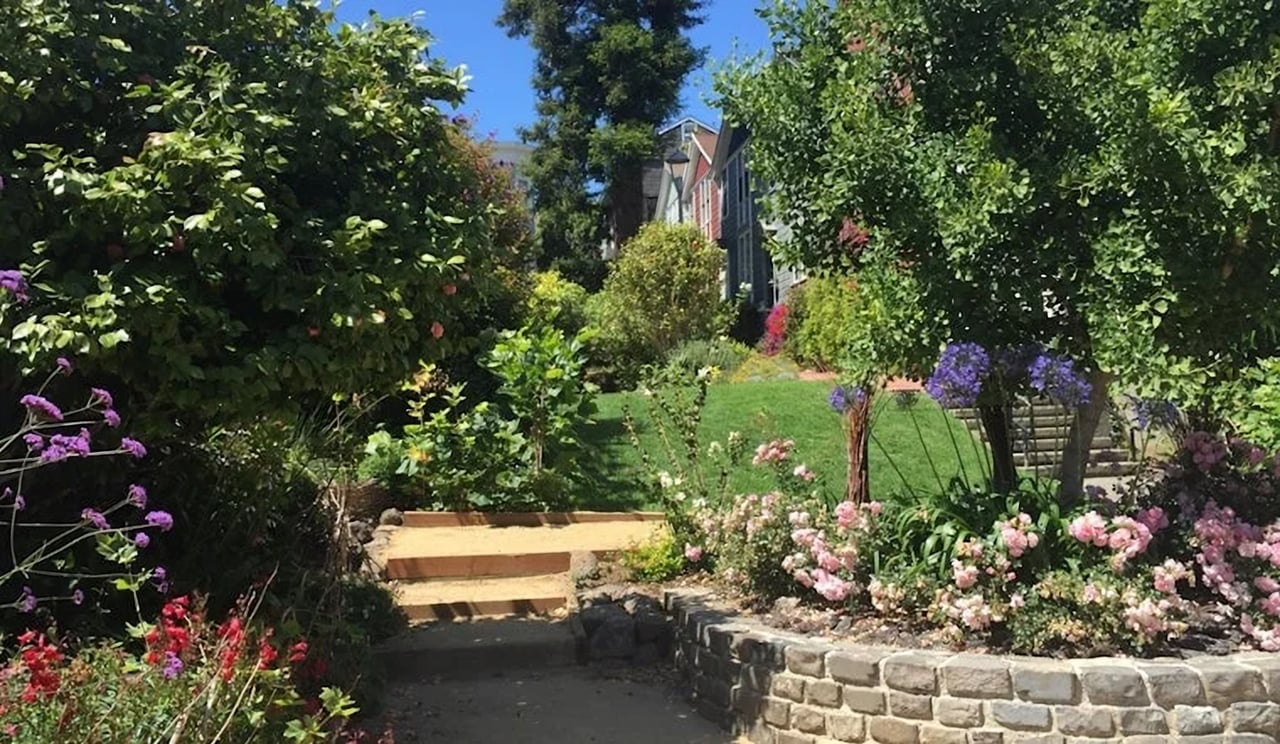
A car-free brick walkway, a row of 1882 cottages, and the "Japan Street" story every owner nearby should know.
Sean Mamola | October 22, 2026
A Saturday Halloween runs from a Church Street dog parade to Fair Oaks after dark

Sean Mamola | October 19, 2026
Off-market or on the MLS? A 2026 guide for San Francisco condo sellers.

Sean Mamola | October 16, 2026
How a 1031 exchange defers capital gains on a San Francisco investment property.

Sean Mamola | October 15, 2026
One construction fence comes down, and another goes up across Post Street.

Sean Mamola | October 15, 2026
The disclosures and reports a San Francisco seller must provide in 2026.

Sean Mamola | October 14, 2026
What Yerba Buena condo buyers need to know in 2026: value, buildings, and leverage.
Sean Mamola | October 13, 2026
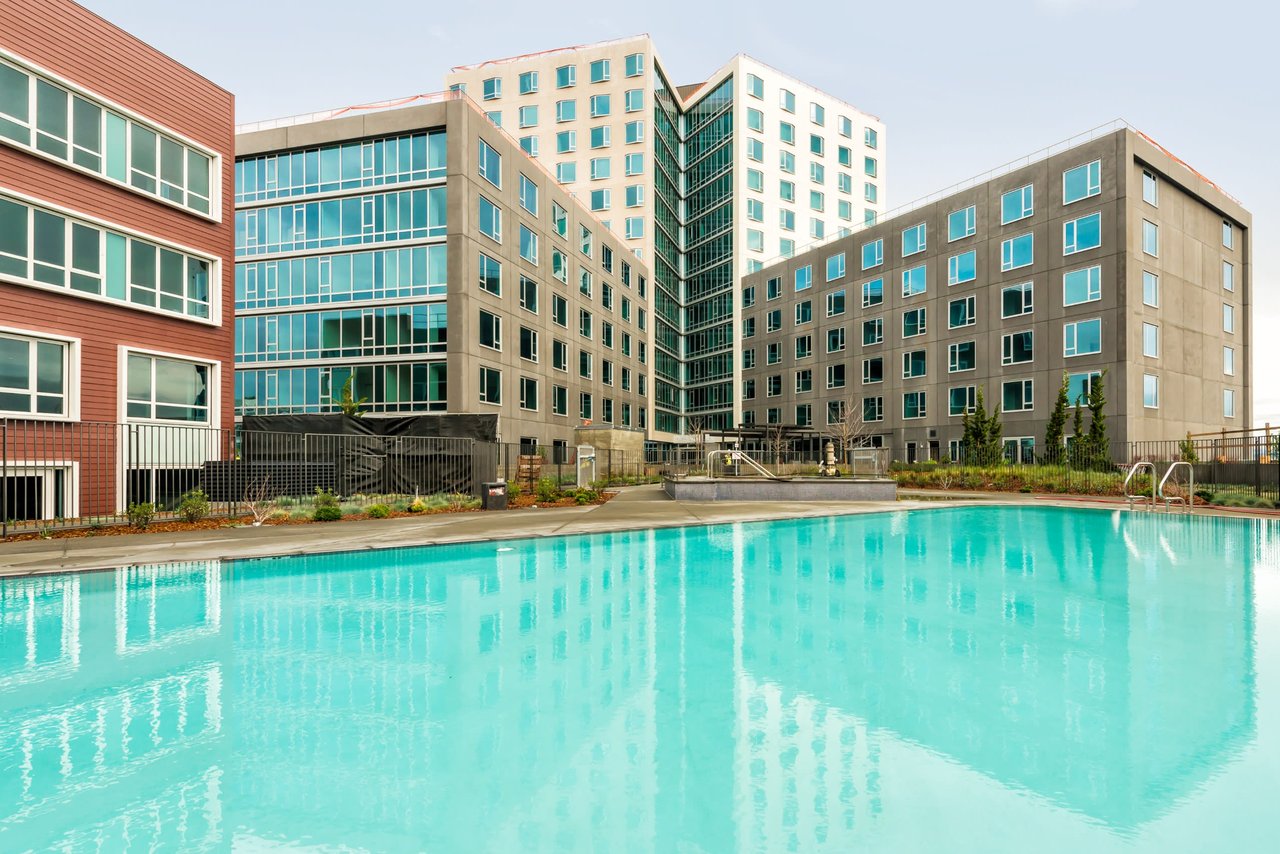
What Mission Bay condo buyers need to know in 2026: prices, buildings, and pace.

Sean Mamola | October 12, 2026
Two-thirds of condos sold over asking and the median rose 23%. Then mortgage rates climbed to 7.40%. Here's how I'm reading both.
CONTACT SEAN MAMOLA AT RISES.CO
CA DRE# 02056250
891 Beach St.,
San Francisco CA 94109