Sell Or Lease Your Mission Bay Condo In Today’s Market
Sean Mamola | July 27, 2026
Sean Mamola | July 27, 2026
If you own a condo in Mission Bay, the big question is not just can you sell or lease right now. It is which path puts you in a stronger position financially and practically. In a neighborhood shaped by newer condo inventory, nearby major employers, and active demand from both buyers and renters, the right answer depends on your building, your goals, and your numbers. Let's dive in.
Mission Bay continues to stand out as one of San Francisco's most condo-oriented neighborhoods. Based on 45 closed condo sales in Mission Bay (SFAR MLS, January to June 2026), the median sale price is $1,299,000 (about $1.3M), at a median $1,140 per square foot. Homes moved quickly, a median of 17 days on market, and closed essentially at list, a median 100% of original asking.
Realtor.com's June 2026 neighborhood report, drawn from a different system, adds useful rental context: a median rent of $5,500 per month for Mission Bay. Its active-listing figures run on a different basis than closed sales, so treat the two as separate views rather than a single spread.
These figures come from different systems and measure different things, so treat them as complementary rather than interchangeable. Together they point to an active market on both the for-sale and rental sides in Mission Bay.
Mission Bay also benefits from a strong local employment base. UCSF says its Mission Bay campus has a daily population of about 3,500, and the university describes itself as San Francisco's second-largest employer.
For condo owners, that matters. A large nearby employment center can help support demand from professionals who want modern, vertical living close to work and city amenities.
Owners tend to anchor to the sale price, but the number that actually matters is what lands in your account after transfer tax, closing costs, and any mortgage payoff. That is the figure I build the decision around.
In Mission Bay, broad market headlines only tell part of the story. Realtor.com reports 13 homes for sale and 16 homes for rent in the neighborhood, while Redfin shows 13 condos for sale and notes a Walk Score of 87.
Because Mission Bay is so condo-heavy, your building can shape your outcome as much as the neighborhood itself. HOA rules, amenities, monthly dues, leasing restrictions, presentation, and buyer perception all play a major role in whether selling or leasing makes more sense.
This is especially true in luxury and high-rise inventory. Two condos in the same neighborhood can perform very differently based on floor plan, view, condition, staging, and the building's leasing policies.
In Mission Bay, the building can matter more than the market. Two units that look identical online can behave completely differently once you factor in leasing rules, dues, and how buyers or renters perceive the address.
Selling is often the cleaner option when you want liquidity, do not want landlord responsibilities, or may qualify for the federal main-home exclusion. If your condo has appreciated and you meet the ownership and use tests, IRS Topic 701 and Publication 523 say you may be able to exclude up to $250,000 of gain, or up to $500,000 on a joint return.
That exclusion can be a meaningful planning point. For some owners, using it now may be more attractive than converting the condo into a rental and changing the future tax picture.
Selling may also appeal to you if you prefer certainty. Instead of taking on rent collection, compliance steps, HOA review, and ongoing property management decisions, you can convert the asset to cash and move on to your next chapter.
Still, selling comes with costs. In San Francisco, the city transfer tax is paid by sellers, and for transfers between $1 million and $5 million, the current rate is $3.75 per $500 of value.
Using Mission Bay's first-half 2026 median condo sale price of about $1.3M (SFAR MLS), that city transfer tax alone comes to about $9,743 before other closing costs and any mortgage payoff. That means your decision should focus on net proceeds, not just your headline sale price.
If you lean toward selling, my guide to preparing your Mission Bay condo for a premium sale shows how to position it for the strongest result.
Leasing can be a smart move if you expect to return to San Francisco, want to hold the property for the long term, or prefer to keep an asset in a neighborhood with active rental demand. Realtor.com's reported median rent of $5,500 per month gives Mission Bay owners a useful starting point for evaluating income potential.
Mission Bay's location near UCSF and its concentration of newer condo buildings can also support renter interest. Many renters in this area are looking for modern layouts, walkability, and proximity to work.
But leasing is not passive. Before you advertise the unit, you need to confirm that your building comfortably allows leasing and understand the city rules that apply once your condo becomes a rental.
Leasing is a business, not a backup plan. Between HOA approval, Rent Board reporting, and eviction protections, you take on real obligations the day you hand over the keys.
If you are holding a favorable long-term tax basis and want to preserve ownership, leasing may still work well. You just need to make sure the numbers hold up after dues, taxes, vacancy, maintenance, and compliance obligations are factored in.
If you are considering leasing, your first stop should be the HOA documents. Your CC&Rs govern the HOA's requirements, limitations, and remedies, and they set the ground rules for whether and how you can lease.
California Civil Code sections 4740 and 4741 limit governing documents from prohibiting or unreasonably restricting the rental or leasing of separately owned interests. That said, this does not mean every building operates the same way.
In practice, your building rules still matter. Lease term minimums, move-in procedures, tenant registration, fees, and occupancy-related requirements can all affect how easy or difficult it is to rent your condo.
For Mission Bay owners, this is one of the clearest reasons to avoid relying only on neighborhood averages. A strong rental market does not help much if your building creates friction for landlords or tenants.
A newer Mission Bay condo is not the same thing as an unregulated rental. Under San Francisco Administrative Code section 37.3(g)(1), a newly constructed unit that first received a certificate of occupancy after June 13, 1979 may generally set its initial and later rents.
That flexibility matters, especially in a neighborhood with more recent construction. But the same city rules also make clear that Chapter 37A eviction protections apply to all residential units in San Francisco, including condos and buildings constructed after 1979.
In simple terms, newer construction may give you flexibility on rent setting, but it does not remove the city's eviction protections. If you lease your condo, you need to understand that difference before making a decision.
There is also an administrative step many owners overlook. Administrative Code section 37.15 requires rental-unit information to be reported to the Rent Board, including annual updates for condominium units.
That means leasing your condo involves ongoing reporting obligations. It is one more reason to treat renting as an active business decision rather than a casual backup plan.
Before you lease, review the Mission Bay condo leasing and rental rules so you know exactly what your building and the city allow.
One of the biggest differences between selling and leasing is how the tax treatment changes over time. For owner-occupants, California's homeowners' exemption can reduce taxable value by up to $7,000 when the dwelling is occupied as the owner's principal residence.
If your Mission Bay condo becomes a rental, that benefit may no longer apply. While the amount is not massive, it can slightly raise carrying costs compared with owner occupancy.
The tax picture is where a lot of owners get surprised. A decision to rent today can quietly reshape your gain when you sell years from now, so it belongs in the math from the start.
Once the condo is converted to rental use, IRS Publication 527 says expenses must be split between personal and rental periods. It also says depreciation begins when the property is placed in service, and the depreciation basis is the lesser of fair market value or adjusted basis on the conversion date.
That matters because depreciation allowed or allowable on rental use can affect the taxable gain when you later sell. In other words, leasing today can shape your tax outcome years from now.
Before you decide, it helps to compare the likely tradeoffs side by side.
Option | Potential Upside | Key Friction Points |
|---|---|---|
Sell now | Liquidity, cleaner exit, possible main-home gain exclusion | Transfer tax, closing costs, giving up future upside |
Lease now | Ongoing rental income, hold long-term asset, flexibility if you may return | HOA rules, Rent Board reporting, eviction protections, tax complexity |
This is why the best question is not whether the market is good. The better question is which option leaves you with a stronger net result after all the details are included.
If you are weighing a sale versus a lease in Mission Bay, start with a simple framework:
For many owners, this process brings clarity quickly. The market may support both options, but your personal goals and your building's rules usually point more clearly toward one path.
My job is to run the honest math both ways, then let the number and your timeline make the call. Once owners see net sale proceeds next to real net rental income, the right move is usually obvious.
Mission Bay offers a compelling backdrop for both selling and leasing. Active buyer demand, meaningful rental pricing, a condo-focused housing mix, and the draw of nearby UCSF all support owner interest in the neighborhood.
At the same time, the choice is not automatic. Selling may be the better fit if you want liquidity, simplicity, or to use the home-sale exclusion, while leasing may be more attractive if you want to hold the asset and your building supports it smoothly.
For high-rise and luxury condo owners, the right move usually comes down to careful math and building-level strategy.
Should I sell or lease my Mission Bay condo in today's market?
The best choice depends on your likely net sale proceeds, expected rental income, HOA rules, tax position, and whether you want landlord responsibilities.
Is a Mission Bay condo considered rent-controlled in San Francisco?
If the unit first received a certificate of occupancy after June 13, 1979, San Francisco generally allows the landlord to set the rent, but city eviction protections still apply.
What HOA rules matter when leasing a Mission Bay condo?
Your CC&Rs and building rules may affect lease terms, registration requirements, move-in procedures, fees, and other leasing conditions.
What local cost should sellers expect when selling a Mission Bay condo?
San Francisco transfer tax is paid by sellers, and for transfers between $1 million and $5 million, the current rate is $3.75 per $500 of value.
How can leasing change taxes for a Mission Bay condo owner?
Leasing can affect the homeowners' exemption, trigger rental depreciation rules, and change how gain is calculated when you sell later.
Why does Mission Bay attract both condo buyers and renters?
The neighborhood has a strong condo presence, walkability, active housing demand, and proximity to UCSF's Mission Bay campus, which has a daily population of about 3,500.
Not sure whether to sell or lease your Mission Bay condo? I bring 17+ years of real estate experience and a luxury hospitality background to every owner I advise. As a Global Luxury Specialist with Compass, I can model your net sale proceeds against realistic rental income, factor in your building's rules, and map the smartest next step. Schedule a consultation or call (415) 704-3640.

Primary phone
(415) 704-3640License Number
#02056250Address
891 Beach StSean Mamola is a San Francisco real estate agent who specializes in luxury properties and penthouses throughout the city's most coveted neighborhoods. As a Global Luxury Specialist with Compass and Rises.co, Sean works with discerning clients who are buying and selling exceptional properties in San Francisco. Since 2018 he has closed 75+ transactions and more than $100M in sales volume across the city's high-rise condo and penthouse market.
Sean focuses on San Francisco's premier areas including South Beach, Yerba Buena, Mission Bay, Pacific Heights, Lower Pacific Heights, Russian Hill, and Nob Hill. His deep knowledge of these neighborhoods allows him to guide clients to properties that perfectly match their lifestyle and investment goals.
Whether you're drawn to the modern luxury of South Beach condos, the urban sophistication of Yerba Buena, the waterfront appeal of Mission Bay, the timeless elegance of Pacific Heights, the historic charm of Russian Hill, or the prestigious heights of Nob Hill, Sean understands what makes each area unique.
For Sellers
Sean creates comprehensive marketing strategies that attract qualified buyers with refined tastes. He believes in elegant staging with meticulous attention to detail, ensuring your property makes an unforgettable impression. His marketing reaches both international and local luxury markets, maximizing exposure for condos, penthouses, condotels, and new developments.
For Buyers
Using cutting-edge technology and market research, Sean carefully analyzes pricing and property trends to find homes that satisfy his clients' specific preferences, price points, and lifestyles. His 24/7 availability and white-glove service ensure you never miss the right opportunity.
Working with Sean and his partnership with Rises.co gives clients significant competitive advantages. His vast network of interconnected agents results in winning offers and an impressively low ratio of properties shown to offers accepted. Sean's impeccable work ethic and precise negotiation skills ensure sellers find the right buyer and buyers secure their dream home.
Before becoming a licensed real estate agent, Sean spent years in luxury hospitality, skills he applies to every client relationship and transaction. He has tremendous respect for people's privacy and consistently exceeds expectations – from international travel to execute transactions to handling unique special requests.
As a Bay Area native who lived in New York City for 15 years, Sean brings a global perspective and genuine appreciation for people from all walks of life. His diverse background helps him connect with clients whether they're local San Francisco residents or international buyers seeking their perfect property.
When not working, Sean enjoys cycling, spending time with his large Irish-Italian family, and volunteering for Food Runners, The Richmond/Ermet Aid Foundation (REAF), and Broadway Cares/Equity Fights AIDS. This community involvement reflects his commitment to giving back to the city he serves.
If you're looking for an exceptional San Francisco real estate agent who specializes in luxury properties and provides truly high-touch service, let's talk. Sean is ready to help you find your perfect San Francisco home or achieve the best possible outcome when selling your property.
Specializing in luxury condos, penthouses, and exceptional properties in South Beach, Yerba Buena, Mission Bay, Pacific Heights, Lower Pacific Heights, Russian Hill, and Nob Hill.
Stay up to date on the latest real estate trends.
Sean Mamola | October 1, 2026
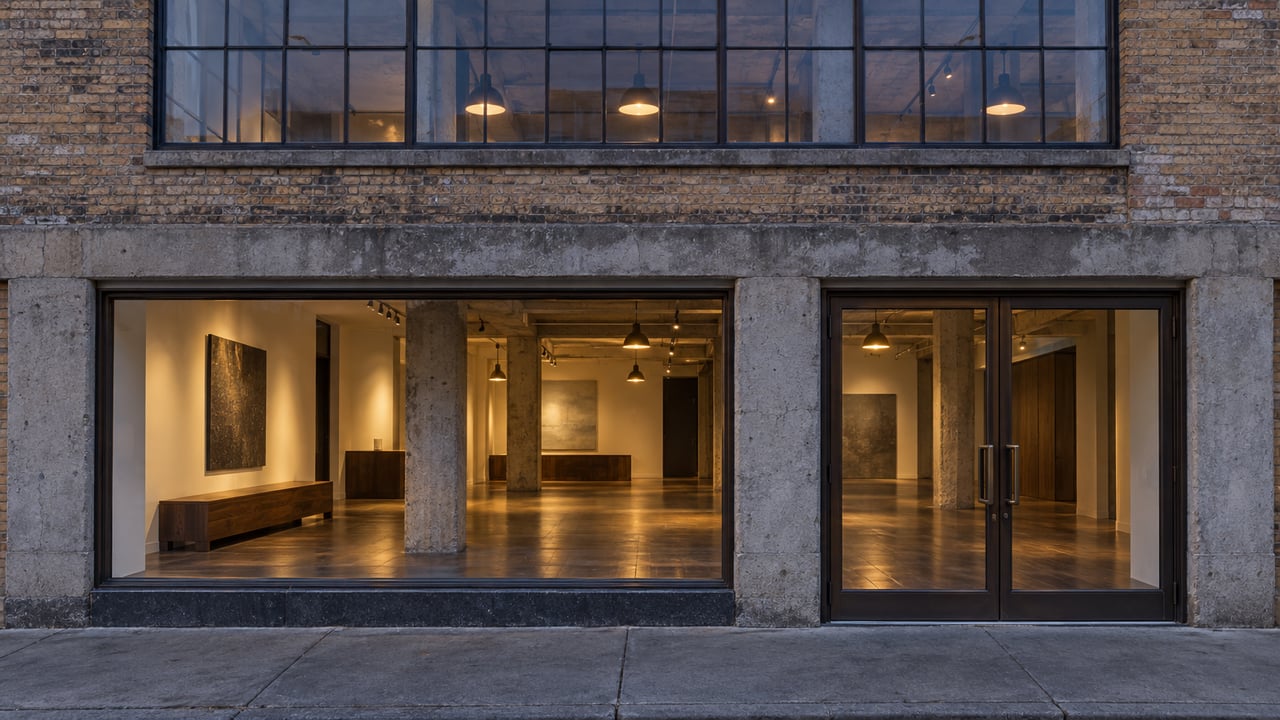
Showplace Square's showroom buildings are picking up tech tenants, and a Michelin-starred steakhouse anchors its traffic circle
Sean Mamola | September 24, 2026
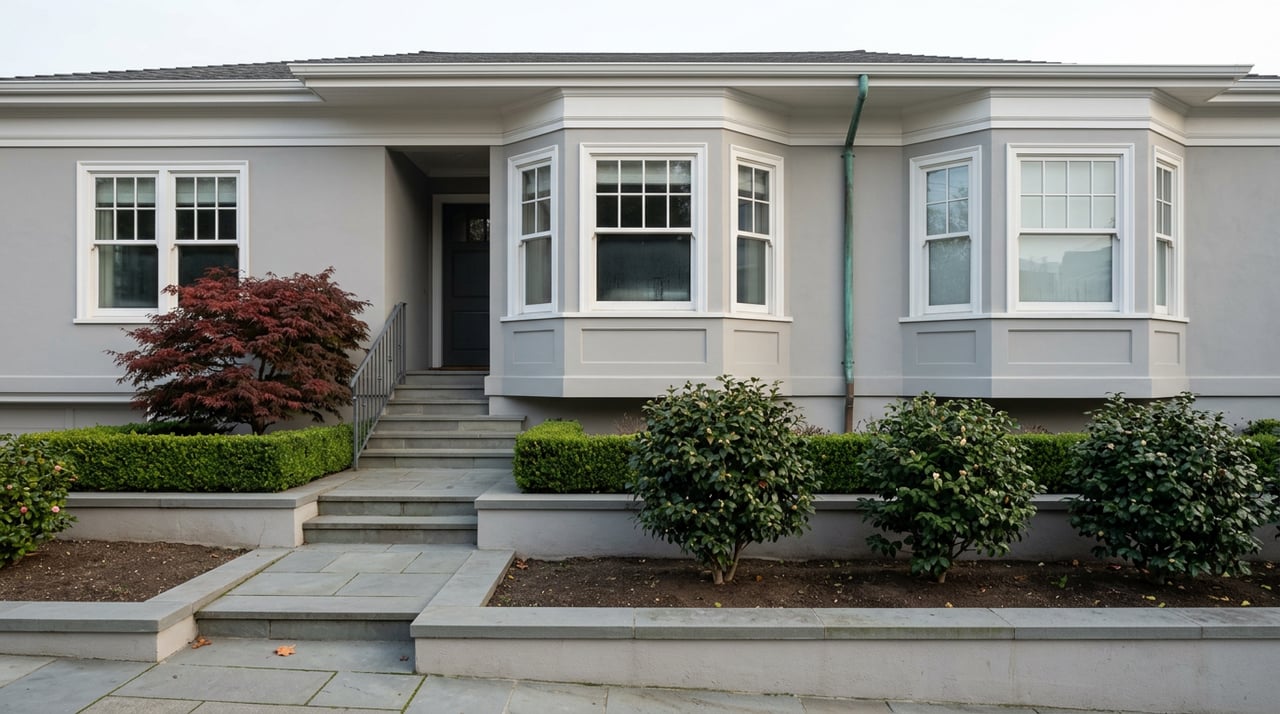
Three changes on three different clocks at the top of Pacific Heights
Sean Mamola | September 22, 2026
Rates just climbed back to 7%. Here's why waiting them out has almost never paid off for a San Francisco condo buyer.
Sean Mamola | September 21, 2026
The Fed just hiked for the first time since 2023. Before you wait, it's worth naming what you're waiting for.

Sean Mamola | September 17, 2026
The condo median climbed 22% while sales slowed. Here's what actually moved, and what it means this fall.
Sean Mamola | September 17, 2026
The Giants are done for 2026. Here's how the ballpark-to-arena calendar actually runs this fall.

Sean Mamola | September 10, 2026
A ticketed blockbuster at SFMOMA and a free festival finale on the Great Lawn, a few hundred feet apart

Sean Mamola | September 9, 2026
Sell first or buy first? A 2026 guide for San Francisco move-up sellers.

Sean Mamola | September 8, 2026
Selling a San Francisco condo with tenants in place: your options in 2026.

CONTACT SEAN MAMOLA AT RISES.CO
CA DRE# 02056250
891 Beach St.,
San Francisco CA 94109