Preparing Your Mission Bay Condo For A Premium Sale
Rises.co May 28, 2026
Rises.co May 28, 2026
Selling a Mission Bay condo at a premium is rarely about doing more. It is usually about doing the right things in the right order. If you want to stand out in a neighborhood filled with polished, modern buildings and comparison-shopping buyers, your preparation matters as much as your pricing. This guide walks you through what to tackle before you list so your home shows as turnkey, credible, and worth a closer look. Let’s dive in.
Mission Bay is a large mixed-use waterfront neighborhood with newer housing, transit access, parks, UCSF, and Chase Center all shaping buyer demand. It is also a place where many listings can feel similar on paper, especially in buildings with modern finishes and amenity packages.
That means buyers are often comparing more than square footage. They are looking closely at light, views, floor height, storage, parking, condition, and the confidence they feel in the HOA and the building itself. When your condo is prepared well, those details become part of a stronger value story.
Current neighborhood snapshots also suggest buyers are moving with a relatively short comparison window. Redfin shows Mission Bay condos at a median listing price of $899,000 with 36 days on market, while Realtor.com shows 23 homes for sale at a median listing price of $997,000 and a median 33 days on market. Countywide, the San Francisco Association of REALTORS reported 36 days on market and 2.4 months of supply for condos, TICs, and co-ops in March 2026.
For many Mission Bay condo sales, paperwork can shape momentum just as much as presentation. In California, sellers of common interest development properties must provide a substantial package of association-related documents and disclosures.
Under California Civil Code 4525, that package includes governing documents, fee and assessment information, unpaid amounts, unresolved violation notices, approved but not-yet-due assessment changes, rental restrictions if any, requested board minutes from the prior 12 months, and the most recent inspection report under Civil Code 5551.
If you wait until after launch to gather these items, you risk slowing down interested buyers who want answers quickly. In a condo market where buyers often compare buildings side by side, incomplete documents can create hesitation at exactly the wrong moment.
A strong pre-list review should focus on clarity and consistency. You want your marketing, disclosure package, and building records to tell the same story.
Here are the first items to collect and confirm:
California law also requires condo associations to inspect a random and statistically significant sample of exterior elevated elements at least every nine years. For a Mission Bay seller, that makes it smart to check the condition of balconies, decks, and similar features early in the process.
Even if your unit looks clean and modern inside, a neglected exterior detail can create questions during buyer review. If your condo has a balcony or terrace, make sure its condition and usability support the premium impression you want to create.
In most Mission Bay condos, major renovation is not the first move. In a neighborhood of modern high-rise and mid-rise inventory, buyers often respond more strongly to crisp presentation, clean documentation, and move-in-ready condition than to expensive reconstruction.
That is especially true when the layout already fits the market. If your floor plan is efficient and your finishes are in solid shape, smaller cosmetic improvements often produce a better return on effort than a full remodel.
Your goal is to make the home feel fresh, intentional, and easy to picture living in. That usually means editing, repairing, and refining rather than replacing everything.
Focus on practical improvements such as:
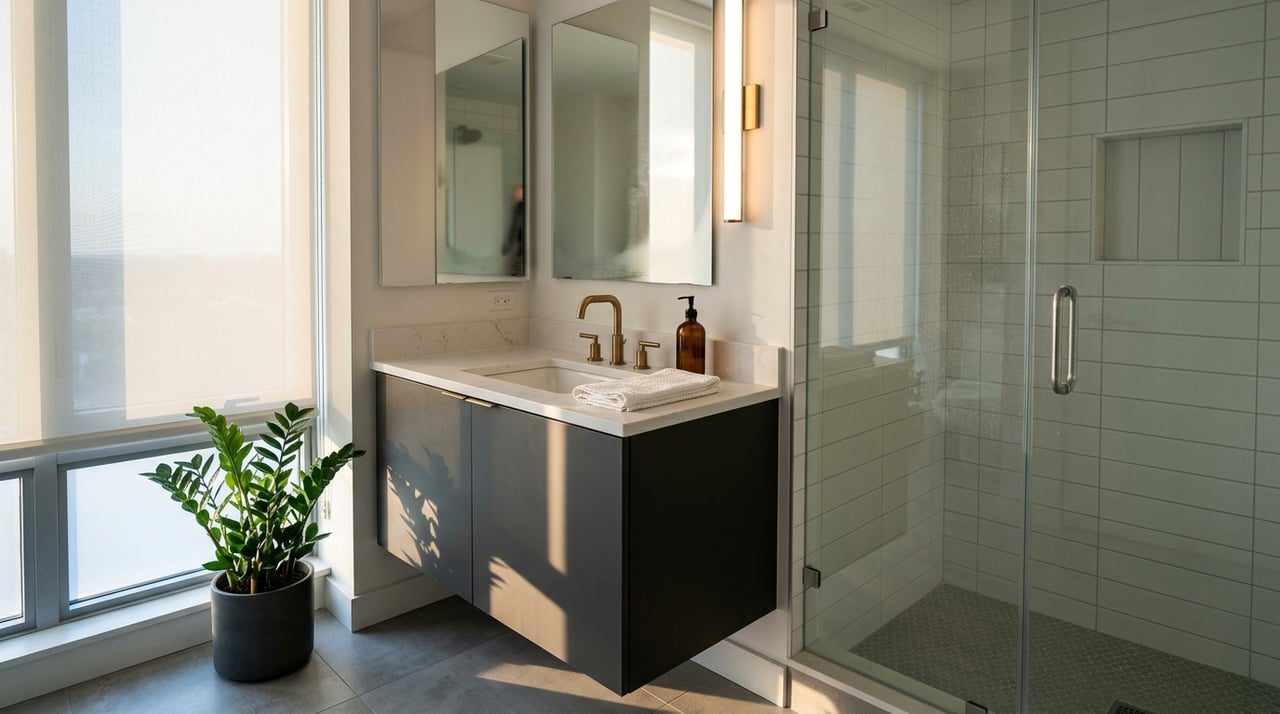
These steps align well with Mission Bay’s housing stock, where natural light, clean lines, and visual calm tend to help a listing compete.
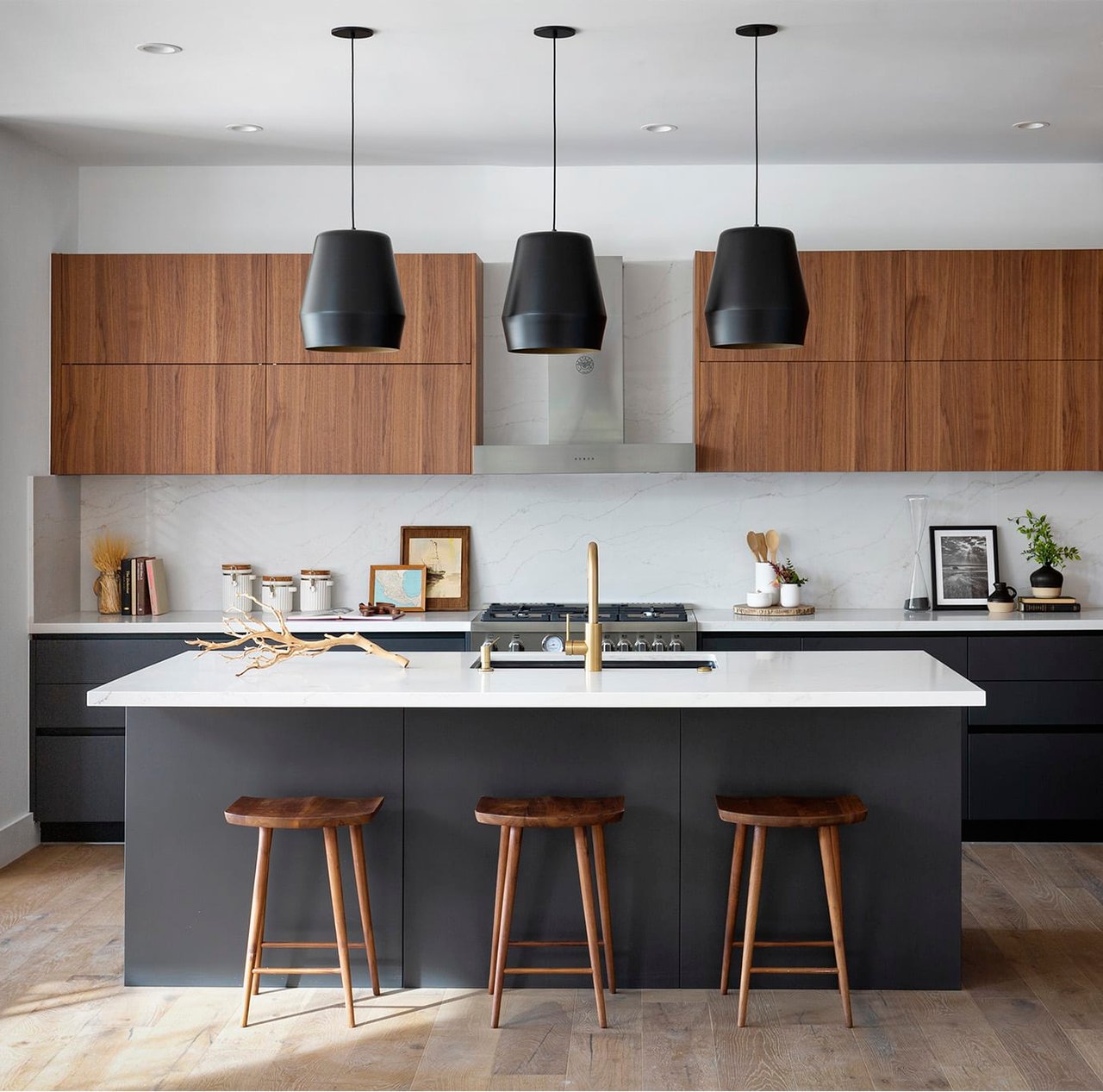
Staging is not just about style. It helps buyers understand the purpose, scale, and flow of a home. According to the National Association of REALTORS 2025 Profile of Home Staging, 83% of buyers' agents said staging makes it easier for buyers to visualize a future home.
The same report found that the living room ranked as the most important room to stage, followed by the primary bedroom and kitchen. It also found that some agents reported a 1% to 5% increase in dollar value, while 30% of sellers' agents saw slight reductions in time on market.
For Mission Bay condos, staging should feel restrained and architectural. You want the eye to land on light, windows, room proportions, and the lifestyle potential of the home, not on excess furniture or distracting decor.
If you are deciding where to invest first, start with the rooms buyers tend to weigh most heavily:
In many Mission Bay units, it also helps to define any flex area clearly. A small alcove can read as a true work-from-home station when furnished with intention. That matters in a condo where every square foot needs to justify itself.
Online presentation is a major part of the sale. The same 2025 staging report found that 73% of buyers' agents rated photos as important and 48% rated videos as important.
That matters in Mission Bay because many likely buyers are comparing listings digitally before they ever step inside. Some may be relocating for work, living outside the city, or simply narrowing options based on efficiency and presentation.
Professional visuals should show more than finishes. They should explain how the condo lives, where the light falls, what the outlook feels like, and how the balcony, office nook, storage, or parking setup adds everyday value.
Your photo and video plan should help buyers understand the full package:
A premium sale often comes from reducing guesswork. Clear visuals do that before the first showing.
Mission Bay sellers are not competing only with other resale condos. Nearby new development can shape buyer expectations too. Mission Rock, for example, is a major waterfront mixed-use project described by official sources as a broader neighborhood with roughly 1,000 to 1,300 homes planned, while SF.gov described Phase 1 as 537 units across two residential and two commercial buildings with five acres of active open space.
For resale sellers, the takeaway is simple. Newer inventory gives buyers a fresh benchmark for finishes, amenities, and perceived convenience. Your condo needs a clear reason to win the comparison.
If a nearby new building offers fresh finishes or warranties, your listing should make its own strengths obvious right away. The most useful points of differentiation in Mission Bay often include:
This is where strategic prep matters. A resale condo that feels polished, honest, and easy to understand can compete very well.
Buyers in this part of San Francisco are often buying more than a unit. They are buying convenience, access, and a certain kind of city living.
Mission Bay offers a strong lifestyle story supported by public facts. The neighborhood includes a 24-acre Mission Bay parks network managed by San Francisco Recreation and Parks, with additional parks still being built out. UCSF Mission Bay has a daily population of about 3,500, Chase Center anchors a major entertainment destination, and SFMTA's Mission Bay Loop supports additional rail service for special events and peak periods.
That context matters because it helps explain why similar condos can perform differently. When your listing connects the home to the neighborhood in a clear, factual way, buyers can better understand the value of the location.
Your listing narrative should stay accurate and specific. In Mission Bay, useful details often include:
These details help frame your condo as part of a broader daily experience, not just a floor plan.
If you want a premium result, start before you think you need to. The strongest launches usually happen when the paperwork, repairs, staging, and media are all ready before the home goes live.
A calm pre-launch process also protects your leverage. Once a listing hits the market, delays tend to feel bigger and buyers tend to become more cautious.
Use this sequence to stay ahead of avoidable issues:
This kind of preparation supports the white-glove, design-forward presentation that premium condo buyers expect in San Francisco.
A premium sale in Mission Bay usually comes down to preparation, not luck. In a neighborhood with modern inventory and informed buyers, the homes that stand out are the ones that feel easy to buy.
That means fewer unanswered questions, cleaner presentation, better visuals, and a stronger story around lifestyle and value. When your condo looks turnkey and your documents are already in order, buyers can focus on saying yes.
If you are thinking about selling your Mission Bay condo and want a discreet, design-minded strategy built around the details that matter most, Sean Mamola can help you prepare, position, and launch with confidence.

Primary phone
(415) 704-3640License Number
#02056250Address
891 Beach StSean Mamola is a San Francisco real estate agent who specializes in luxury properties and penthouses throughout the city's most coveted neighborhoods. As a Global Luxury Specialist with Compass and Rises.co, Sean works with discerning clients who are buying and selling exceptional properties in San Francisco. Since 2018 he has closed 75+ transactions and more than $100M in sales volume across the city's high-rise condo and penthouse market.
Sean focuses on San Francisco's premier areas including South Beach, Yerba Buena, Mission Bay, Pacific Heights, Lower Pacific Heights, Russian Hill, and Nob Hill. His deep knowledge of these neighborhoods allows him to guide clients to properties that perfectly match their lifestyle and investment goals.
Whether you're drawn to the modern luxury of South Beach condos, the urban sophistication of Yerba Buena, the waterfront appeal of Mission Bay, the timeless elegance of Pacific Heights, the historic charm of Russian Hill, or the prestigious heights of Nob Hill, Sean understands what makes each area unique.
For Sellers
Sean creates comprehensive marketing strategies that attract qualified buyers with refined tastes. He believes in elegant staging with meticulous attention to detail, ensuring your property makes an unforgettable impression. His marketing reaches both international and local luxury markets, maximizing exposure for condos, penthouses, condotels, and new developments.
For Buyers
Using cutting-edge technology and market research, Sean carefully analyzes pricing and property trends to find homes that satisfy his clients' specific preferences, price points, and lifestyles. His 24/7 availability and white-glove service ensure you never miss the right opportunity.
Working with Sean and his partnership with Rises.co gives clients significant competitive advantages. His vast network of interconnected agents results in winning offers and an impressively low ratio of properties shown to offers accepted. Sean's impeccable work ethic and precise negotiation skills ensure sellers find the right buyer and buyers secure their dream home.
Before becoming a licensed real estate agent, Sean spent years in luxury hospitality, skills he applies to every client relationship and transaction. He has tremendous respect for people's privacy and consistently exceeds expectations – from international travel to execute transactions to handling unique special requests.
As a Bay Area native who lived in New York City for 15 years, Sean brings a global perspective and genuine appreciation for people from all walks of life. His diverse background helps him connect with clients whether they're local San Francisco residents or international buyers seeking their perfect property.
When not working, Sean enjoys cycling, spending time with his large Irish-Italian family, and volunteering for Food Runners, The Richmond/Ermet Aid Foundation (REAF), and Broadway Cares/Equity Fights AIDS. This community involvement reflects his commitment to giving back to the city he serves.
If you're looking for an exceptional San Francisco real estate agent who specializes in luxury properties and provides truly high-touch service, let's talk. Sean is ready to help you find your perfect San Francisco home or achieve the best possible outcome when selling your property.
Specializing in luxury condos, penthouses, and exceptional properties in South Beach, Yerba Buena, Mission Bay, Pacific Heights, Lower Pacific Heights, Russian Hill, and Nob Hill.
Stay up to date on the latest real estate trends.
Sean Mamola | October 23, 2026
A car-free brick walkway, a row of 1882 cottages, and the "Japan Street" story every owner nearby should know.
Sean Mamola | October 22, 2026
A Saturday Halloween runs from a Church Street dog parade to Fair Oaks after dark
Sean Mamola | October 19, 2026
Off-market or on the MLS? A 2026 guide for San Francisco condo sellers.

Sean Mamola | October 16, 2026
How a 1031 exchange defers capital gains on a San Francisco investment property.

Sean Mamola | October 15, 2026
One construction fence comes down, and another goes up across Post Street.
Sean Mamola | October 15, 2026
The disclosures and reports a San Francisco seller must provide in 2026.

Sean Mamola | October 14, 2026
What Yerba Buena condo buyers need to know in 2026: value, buildings, and leverage.
Sean Mamola | October 13, 2026
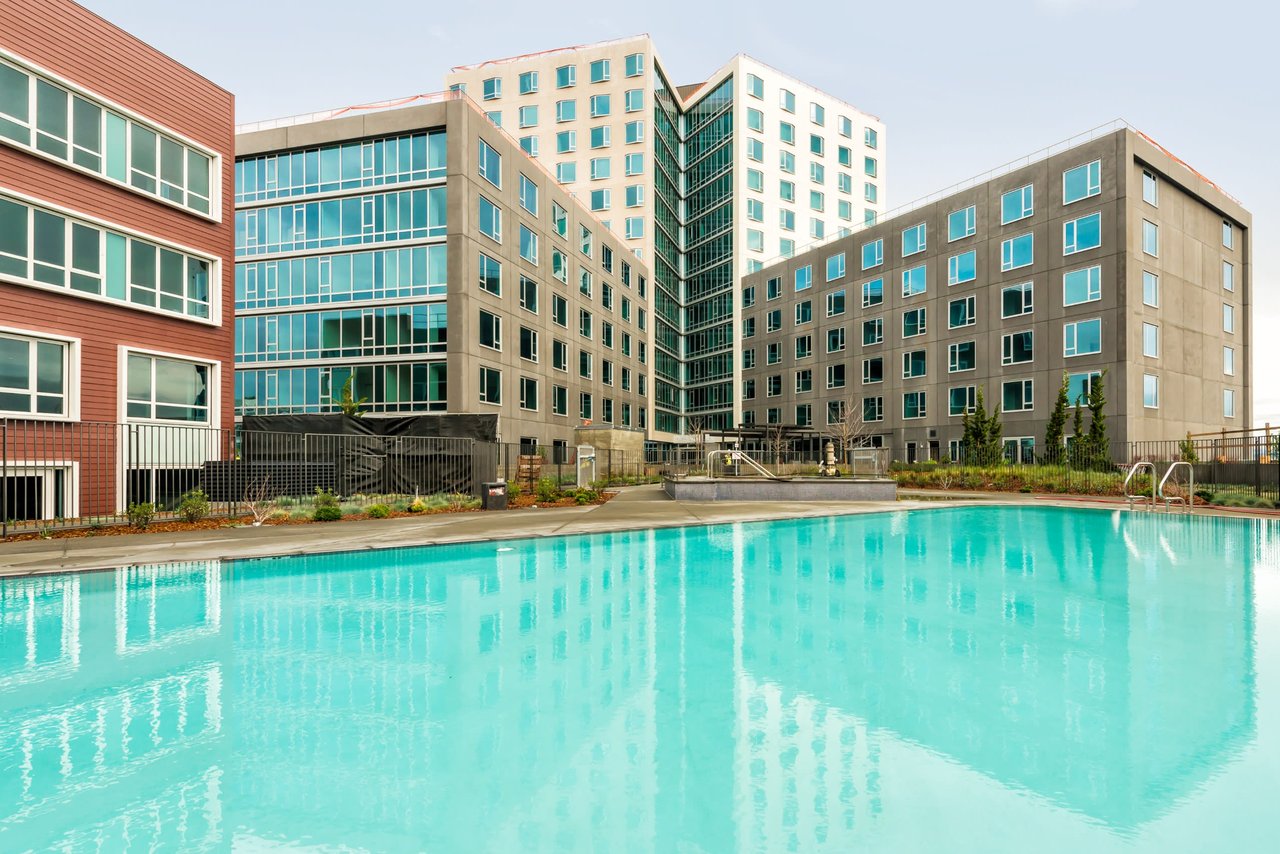
What Mission Bay condo buyers need to know in 2026: prices, buildings, and pace.

Sean Mamola | October 12, 2026
Two-thirds of condos sold over asking and the median rose 23%. Then mortgage rates climbed to 7.40%. Here's how I'm reading both.

CONTACT SEAN MAMOLA AT RISES.CO
CA DRE# 02056250
891 Beach St.,
San Francisco CA 94109