Living Near Fillmore Street In Lower Pacific Heights
Rises.co May 14, 2026
Rises.co May 14, 2026
If you want San Francisco living that feels polished, connected, and easy to use day after day, living near Fillmore Street in Lower Pacific Heights deserves a close look. This pocket of the city offers a rare mix of daily convenience, classic neighborhood character, and a social rhythm that can fit both busy weekdays and relaxed weekends. Whether you are buying a home, relocating, or comparing Lower Pacific Heights to more tower-focused neighborhoods, this guide will help you understand what life near Fillmore actually feels like. Let’s dive in.
Fillmore is not just a shopping street. San Francisco Planning describes Upper Fillmore as a medium-scaled, multi-purpose commercial district that serves neighborhood convenience needs as well as comparison shopping, with activity during both the day and evening. In practical terms, that gives Lower Pacific Heights a true neighborhood main street feel.
That distinction matters if you want a home base with energy but not a purely business-driven atmosphere. Near Fillmore, your routine can happen close to home, from coffee runs and grocery stops to dinner plans and evening outings. It feels central, active, and designed for repeat use rather than occasional visits.
One of the biggest advantages of living near Fillmore Street is how quickly your daily routine can come together. The Fillmore Merchants Association highlights a mix of long-standing and newer local businesses, which helps explain why the corridor feels both established and current. You are not relying on one or two convenience spots. You have a full lineup of practical stops and lifestyle options nearby.
For many residents, the day starts with a short walk for coffee or breakfast. Along the corridor, you will find names like Blue Bottle, Cafe Murano, Compton’s Coffee House, Jane, and Peet’s. That variety makes it easy to build a routine that feels local and flexible.
Errands can also stay simple. Grocery and pantry options listed by the merchant association include Mollie Stone’s Market, Mayflower Market, Gino’s Grocery, Friends Liquor & Grocery, and Pacific Foods Mart. If you value convenience without giving up neighborhood character, that is a meaningful part of the appeal.
Fillmore also offers a strong lineup of retail that goes beyond essentials. The corridor includes fashion, beauty, home, and gift shops such as Cuyana, Clare V., Athleta, Rag & Bone, Rothy’s, Diptyque, Aesop, and Jonathan Adler. For residents, this means your neighborhood can support both practical needs and a more design-minded lifestyle.
That mix is especially appealing if you are used to downtown convenience but want a softer, more layered streetscape. Rather than a tower podium or enclosed retail environment, you get a walkable street with storefront variety and a more classic San Francisco rhythm.
Living near Fillmore can also make social plans feel easy. The dining mix supports a lunch-to-dinner cadence rather than a corridor that goes quiet outside shopping hours. Restaurants listed by the merchant association include Pizzeria Delfina, SPQR, State Bird Provisions, Florio Bar & Cafe, The Tailor’s Son, Jackson Fillmore Trattoria, Woodhouse Fish Co., and Sweet Maple.
If you like the idea of stepping out for a casual meal, meeting friends nearby, or keeping weeknight options close to home, this area delivers. The neighborhood supports both quick plans and more intentional evenings without requiring a major cross-city trip.
The area also has a broader social and cultural pull. Entertainment venues on and around the corridor include AMC Kabuki 8, Boom Boom Room, San Francisco Jazz Heritage Center, Sheba Piano Lounge, The Fillmore Auditorium, The Social Study, and Vic’s Winehouse. The merchant association also frames Fillmore as the heart of the jazz district.
That identity becomes even more visible during the Fillmore Jazz Festival. The festival site describes it as the largest free jazz festival on the West Coast, with multiple live music stages, art and crafts over more than 12 blocks, and food and beverages over Independence Day weekend. For residents, that adds another layer to the neighborhood experience: Fillmore is not just convenient, it is culturally active.
A key part of living well in Lower Pacific Heights is having open space nearby. Near Fillmore, two major parks help balance the busier street life with room to reset outdoors. That combination can make the neighborhood feel more livable on an everyday basis.
Alta Plaza Park is an approximately 12-acre terraced hillside park at Jackson and Steiner. According to San Francisco Recreation and Park, it includes a children’s playground, picnic tables, a basketball and pickleball court, two tennis courts, an off-leash dog-play area, panoramic viewing benches, and hours from 5 a.m. to midnight.
For residents, Alta Plaza offers more than scenery. It supports regular use, whether that means a morning walk, time outdoors with a dog, tennis, or an easy place to sit and take in city views.
Lafayette Park is an 11.5-acre recreation area bounded by Gough, Laguna, Sacramento, and Washington streets. San Francisco Recreation and Park highlights grassy lawns, city and bay views, tennis courts, a playground, picnic tables, an off-leash dog-play area, and the Gathering Meadow as a flexible lawn space.
Together, Lafayette Park and Alta Plaza Park add real day-to-day value. If you are comparing Lower Pacific Heights with denser parts of San Francisco, these parks help explain why the area often feels more balanced and usable over time.
For buyers coming from SoMa, Mission Bay, or South Beach, one of the clearest differences near Fillmore is the built environment. The area is not defined by high-rise towers. Instead, planning and historic resource materials point to a neighborhood pattern shaped by older dwellings and flats, 1920s apartment-building infill east of Fillmore, later postwar apartment buildings, and mixed-use structures along the commercial corridor.
San Francisco Planning also notes that Upper Fillmore’s controls are intended to preserve building scale, encourage new mixed-use development that fits adjacent buildings, and support housing above the second story. That planning framework helps protect the corridor’s lower-rise feel.
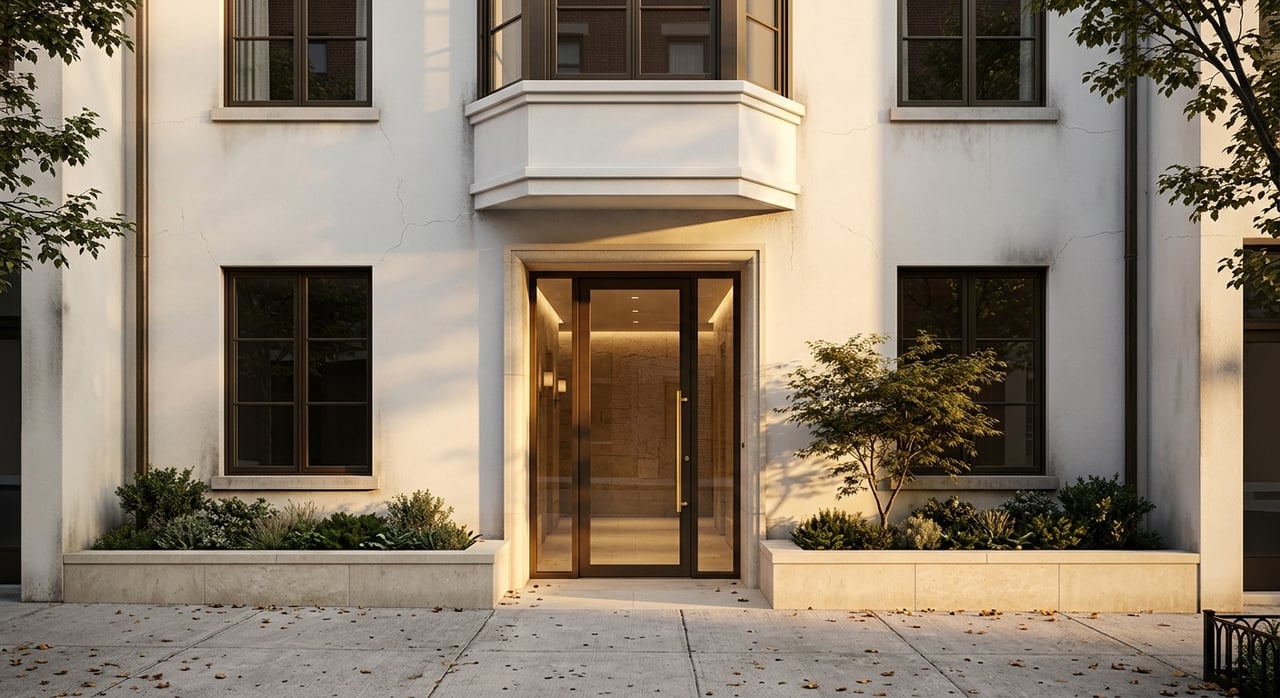
If you are exploring homes here, you will likely notice a more textured streetscape. Near Fillmore, the housing story is best understood as a mix of classic flats, low- to mid-rise apartment buildings, and mixed-use properties with retail at street level. The result is a neighborhood that feels architecturally layered rather than uniform.
For some buyers, that is exactly the appeal. You can stay in a central San Francisco location while trading tower-centric living for a more residential street rhythm and a stronger connection to the block around you.
Living near Fillmore also works well if you want to stay connected without depending on a car for every trip. The 22 Fillmore is one of Muni’s busiest bus lines, carrying more than 20,000 people each day and connecting the Marina to Mission Bay. SFMTA notes that the corridor is both merchant-heavy and congested, and it has explored stop, bulb, and signal changes to improve speed and reliability.
The 1 California also provides a short route between Pacific Heights and Downtown. That combination adds practical mobility for residents who want central access while living outside the city’s most vertical districts.
The tradeoff is worth understanding clearly. Fillmore offers strong city access, but it also carries the activity and traffic of a successful neighborhood main street. If you want complete quiet, a side street off the corridor may feel more comfortable.
For many buyers, that balance is exactly right. You get convenience, transit, and neighborhood energy close at hand, while still living in a part of San Francisco with a lower-rise, more established residential texture.
Living near Fillmore Street often appeals to buyers who want a polished neighborhood experience with real day-to-day functionality. It can be a strong fit if you want walkable coffee, groceries, dining, and parks without moving into a downtown tower district. It can also appeal to relocating buyers who want San Francisco access with a more classic neighborhood backdrop.
Sellers benefit from that same lifestyle story. When a home is near Fillmore, the value is not just the residence itself. It is also the ease of the routine, the mix of amenities, the nearby open space, and the corridor’s recognizable identity.
Lower Pacific Heights can look straightforward at first, but the experience of living near Fillmore can vary block by block. Street activity, building style, transit access, and proximity to parks all shape how a home feels in daily use. That is why neighborhood-level guidance matters, especially if you are deciding between a premium flat, a mixed-use building, or a home on a quieter residential block nearby.
At Rises.co, the approach is tailored and service-driven. If you are buying or selling in Lower Pacific Heights, thoughtful guidance can help you match the right property to the lifestyle you actually want, not just the address on paper.
If you are considering a move near Fillmore Street or preparing to sell a home in Lower Pacific Heights, working with a local advisor can make the process feel far more clear and efficient. For discreet, concierge-level guidance tailored to your goals, connect with Sean Mamola.
Primary phone
(415) 704-3640License Number
#02056250Address
891 Beach StSean Mamola is a San Francisco real estate agent who specializes in luxury properties and penthouses throughout the city's most coveted neighborhoods. As a Global Luxury Specialist with Compass and Rises.co, Sean works with discerning clients who are buying and selling exceptional properties in San Francisco. Since 2018 he has closed 75+ transactions and more than $100M in sales volume across the city's high-rise condo and penthouse market.
Sean focuses on San Francisco's premier areas including South Beach, Yerba Buena, Mission Bay, Pacific Heights, Lower Pacific Heights, Russian Hill, and Nob Hill. His deep knowledge of these neighborhoods allows him to guide clients to properties that perfectly match their lifestyle and investment goals.
Whether you're drawn to the modern luxury of South Beach condos, the urban sophistication of Yerba Buena, the waterfront appeal of Mission Bay, the timeless elegance of Pacific Heights, the historic charm of Russian Hill, or the prestigious heights of Nob Hill, Sean understands what makes each area unique.
For Sellers
Sean creates comprehensive marketing strategies that attract qualified buyers with refined tastes. He believes in elegant staging with meticulous attention to detail, ensuring your property makes an unforgettable impression. His marketing reaches both international and local luxury markets, maximizing exposure for condos, penthouses, condotels, and new developments.
For Buyers
Using cutting-edge technology and market research, Sean carefully analyzes pricing and property trends to find homes that satisfy his clients' specific preferences, price points, and lifestyles. His 24/7 availability and white-glove service ensure you never miss the right opportunity.
Working with Sean and his partnership with Rises.co gives clients significant competitive advantages. His vast network of interconnected agents results in winning offers and an impressively low ratio of properties shown to offers accepted. Sean's impeccable work ethic and precise negotiation skills ensure sellers find the right buyer and buyers secure their dream home.
Before becoming a licensed real estate agent, Sean spent years in luxury hospitality, skills he applies to every client relationship and transaction. He has tremendous respect for people's privacy and consistently exceeds expectations – from international travel to execute transactions to handling unique special requests.
As a Bay Area native who lived in New York City for 15 years, Sean brings a global perspective and genuine appreciation for people from all walks of life. His diverse background helps him connect with clients whether they're local San Francisco residents or international buyers seeking their perfect property.
When not working, Sean enjoys cycling, spending time with his large Irish-Italian family, and volunteering for Food Runners, The Richmond/Ermet Aid Foundation (REAF), and Broadway Cares/Equity Fights AIDS. This community involvement reflects his commitment to giving back to the city he serves.
If you're looking for an exceptional San Francisco real estate agent who specializes in luxury properties and provides truly high-touch service, let's talk. Sean is ready to help you find your perfect San Francisco home or achieve the best possible outcome when selling your property.
Specializing in luxury condos, penthouses, and exceptional properties in South Beach, Yerba Buena, Mission Bay, Pacific Heights, Lower Pacific Heights, Russian Hill, and Nob Hill.
Stay up to date on the latest real estate trends.
Sean Mamola | October 1, 2026
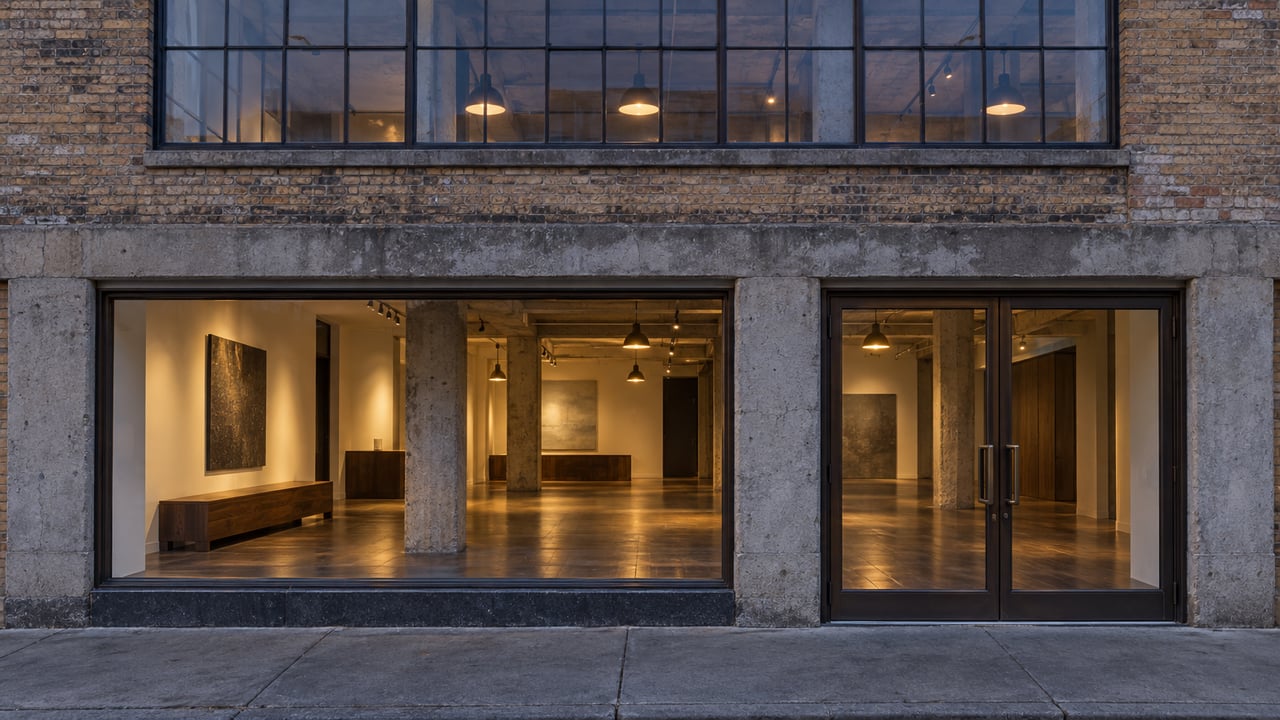
Showplace Square's showroom buildings are picking up tech tenants, and a Michelin-starred steakhouse anchors its traffic circle
Sean Mamola | September 24, 2026
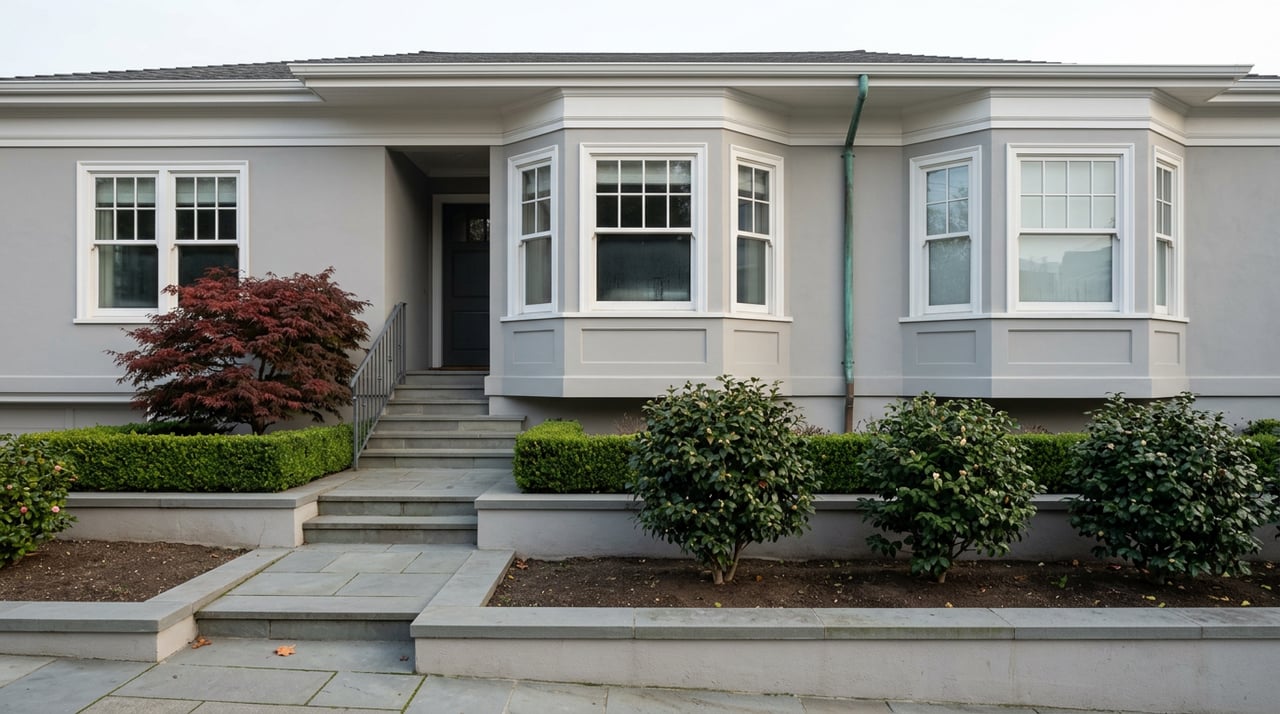
Three changes on three different clocks at the top of Pacific Heights
Sean Mamola | September 22, 2026
Rates just climbed back to 7%. Here's why waiting them out has almost never paid off for a San Francisco condo buyer.
Sean Mamola | September 21, 2026
The Fed just hiked for the first time since 2023. Before you wait, it's worth naming what you're waiting for.

Sean Mamola | September 17, 2026
The condo median climbed 22% while sales slowed. Here's what actually moved, and what it means this fall.
Sean Mamola | September 17, 2026
The Giants are done for 2026. Here's how the ballpark-to-arena calendar actually runs this fall.

Sean Mamola | September 10, 2026
A ticketed blockbuster at SFMOMA and a free festival finale on the Great Lawn, a few hundred feet apart

Sean Mamola | September 9, 2026
Sell first or buy first? A 2026 guide for San Francisco move-up sellers.

Sean Mamola | September 8, 2026
Selling a San Francisco condo with tenants in place: your options in 2026.
CONTACT SEAN MAMOLA AT RISES.CO
CA DRE# 02056250
891 Beach St.,
San Francisco CA 94109