Pacific Heights Condos vs Homes: Find Your Best Fit
Rises.co March 24, 2026
Rises.co March 24, 2026
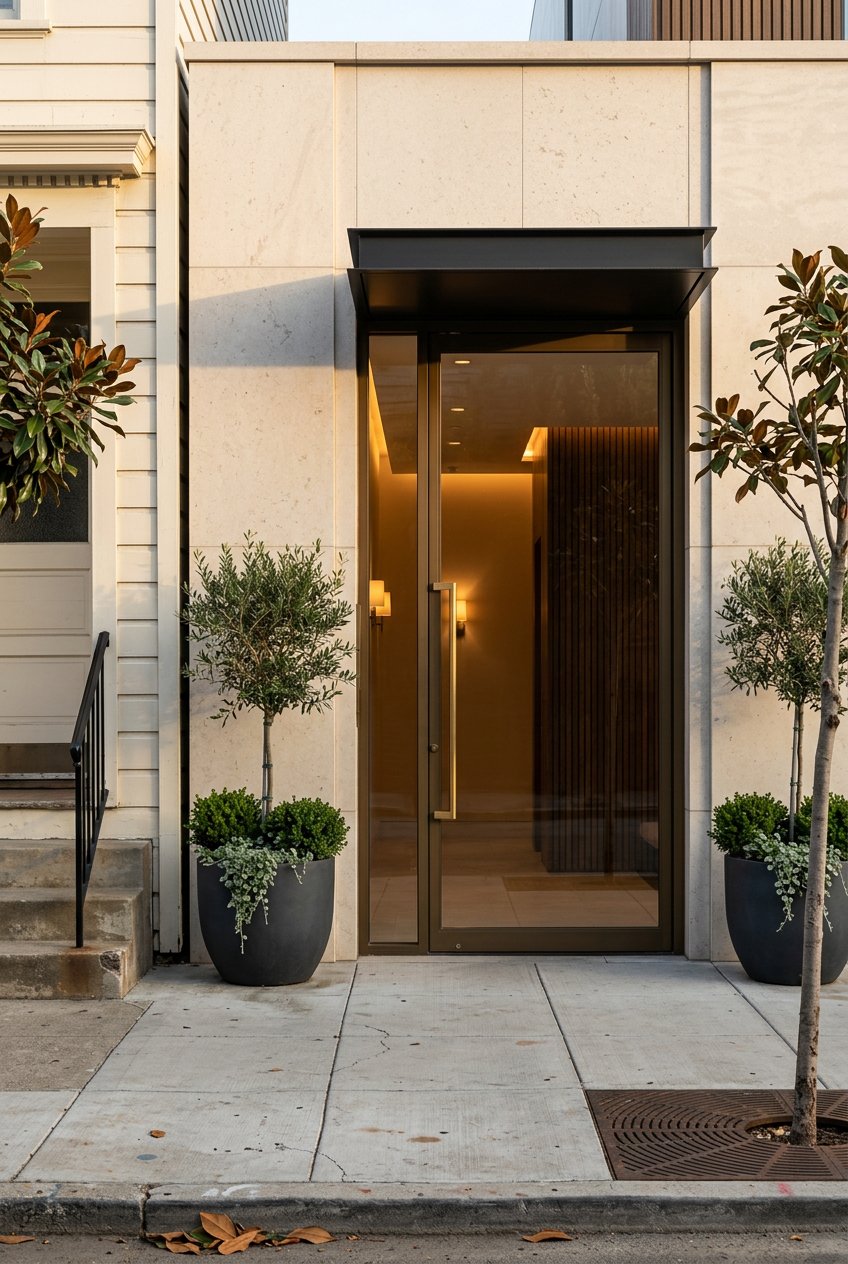
Choosing between a Pacific Heights penthouse in the sky and a classic single-family home on a tree-lined block can feel like two different versions of San Francisco living. Both deliver prestige and daily convenience, yet the way you use and maintain them is very different. In this guide, you’ll get a clear, side-by-side look at lifestyle, costs, rules that shape rentals and resale, and the due diligence that protects you. Let’s dive in.
Pacific Heights blends historic mansions, elegant Edwardians, and high-amenity apartment and condo buildings perched along the ridge near parks and retail. The neighborhood is known for architecturally significant homes and walkability to green spaces and boutiques. For a quick primer on the area’s architecture and setting, review the Pacific Heights neighborhood overview.
As of early 2026, the neighborhood shows a typical home value around 1.88 million dollars on widely cited indexes, with significant spread by property type and street. Single-family homes and full-floor historic flats trade at higher price points due to scarcity. Condos and penthouses often offer a lower absolute entry price with premium price-per-square-foot for top views and services. Expect wide variation building by building and confirm current comps before you step in.
Pacific Heights condos and penthouses prioritize lock-and-leave ease. Many buildings offer staffed entries, secure package handling, elevators, and professionally managed common areas. If you want hotel-like convenience, panoramic views, and low personal maintenance, this category can be ideal. Downsizers often appreciate single-level living and elevator access near everyday essentials.
The tradeoffs are predictable. You may have less private outdoor space, possible neighbor noise, and building rules that limit renovations, rentals, or pets. Penthouses offer superior outlooks and privacy within the building, but often carry higher HOA dues.
Monthly HOA dues in San Francisco vary by building type, amenities, and services. Citywide ranges commonly run from the low hundreds into four figures per month, with high-service buildings reaching higher levels. A national summary that also references big-city trends provides helpful context on why fees vary by age, size, and amenity stack. See this HOA dues explainer for broader patterns and drivers of costs (Axios summary).
Before you buy, dig into the reserve study and recent board minutes. Low reserve funding or recurring special assessments can significantly increase your cost of ownership. The Community Associations Institute details how a 30-year reserve plan works, what percent-funded means, and why it matters. Review CAI’s reserve study guidance to calibrate your expectations on building health and capital planning (CAI reserve study standards).
California’s Davis-Stirling Act requires sellers to provide a statutory resale disclosure packet that includes governing documents, budgets, reserve summaries, and more. This is where you will see rental caps, pet policies, and any pending assessments. Review the required document list in Civil Code Section 4525 and delivery rules in Section 4530.
If you plan to rent out your condo at any point, confirm two things up front:
A single-family or multi-unit property in Pacific Heights typically offers private outdoor space, more storage, and often garage or driveway parking. You also get greater flexibility for major renovations if permitted. These properties carry a land component in a prestige neighborhood, which is part of why they command premiums and remain relatively scarce.
The tradeoff is ongoing responsibility. You handle exterior maintenance, roof and façade work, landscaping, and any systems upgrades. For frequent travelers or those seeking minimal upkeep, this can feel less lock-and-leave.
With a home, there are fewer or no monthly HOA dues, but capital expenses can be lumpy and significant. Set aside budget for roof, exterior painting, foundation or drainage projects, and mechanical upgrades. In older multi-unit wood-frame buildings, verify whether the property was subject to San Francisco’s Mandatory Soft Story Retrofit Program, which has required screening and, when applicable, retrofits. Special assessments or pass-through costs can arise in these buildings. Check status and permits through the city’s program portal (Soft Story Retrofit Program).
If a home contains separate legal units, confirm the certificate of occupancy date to understand potential rent-control coverage. If you intend any rentals, consult the Rent Board’s materials and verify city compliance steps. For resale, gather a clean permit history and records of completed structural or seismic work to support buyer confidence.
Garage or driveway parking remains a meaningful differentiator in Pacific Heights. If you are considering a condo, confirm whether your unit includes deeded or assigned parking and how guest parking is handled. If you plan to rely on street parking, learn the Residential Parking Permit rules, fees, and guest-permit process in your specific permit area so day-to-day logistics are clear (SFMTA RPP program).
California’s Proposition 13 caps the base property tax rate at 1 percent of assessed value, with local bonds and parcel taxes raising the effective rate somewhat above that threshold. In San Francisco, effective bills commonly land a bit above 1 percent. For exact numbers, contact the Treasurer and Tax Collector or the Assessor for parcel-specific rates. If you are downsizing and considering a base-year value transfer under Proposition 19, confirm eligibility and steps with the county before you list.
Earthquake risk planning matters for both categories. Standard condo policies do not include earthquake coverage. Many owners pair an HO-6 condo policy with a California Earthquake Authority policy that includes options for building interior coverage and loss assessment tied to HOA deductibles. Review how CEA coverage works for condo unit owners and confirm what the building’s master policy covers and what it excludes (CEA condo coverage overview).
Use this quick framework to align your priorities with the right property type.
Choose a condo or penthouse if you value:
Choose a single-family or multi-unit home if you value:
Before committing, assemble a document set that reveals both costs and constraints. Many items are part of the statutory resale packet or easily requested from the seller or association.
Pacific Heights offers two compelling paths: elevated, service-forward condo living and the grounded privacy of a classic home. Your best choice starts with clarity on how you live, how much maintenance you want, and how HOA rules or city regulations affect your plans to renovate, rent, or resell. When you pair that clarity with building-level diligence on reserves, seismic status, insurance, and parking, your decision becomes straightforward.
If you want a calm, data-informed walkthrough of specific buildings and streets that fit your criteria, let’s talk. Schedule a private, confidential strategy session with Sean Mamola to compare options and move forward with confidence.
Primary phone
(415) 704-3640License Number
#02056250Address
891 Beach St,Sean Mamola is a San Francisco real estate agent who specializes in luxury properties and penthouses throughout the city's most coveted neighborhoods. As a Global Luxury Specialist with Compass and Rises.co, Sean works with discerning clients who are buying and selling exceptional properties in San Francisco. Since 2018 he has closed 75+ transactions and more than $100M in sales volume across the city's high-rise condo and penthouse market.
Sean focuses on San Francisco's premier areas including South Beach, Yerba Buena, Mission Bay, Pacific Heights, Lower Pacific Heights, Russian Hill, and Nob Hill. His deep knowledge of these neighborhoods allows him to guide clients to properties that perfectly match their lifestyle and investment goals.
Whether you're drawn to the modern luxury of South Beach condos, the urban sophistication of Yerba Buena, the waterfront appeal of Mission Bay, the timeless elegance of Pacific Heights, the historic charm of Russian Hill, or the prestigious heights of Nob Hill, Sean understands what makes each area unique.
For Sellers
Sean creates comprehensive marketing strategies that attract qualified buyers with refined tastes. He believes in elegant staging with meticulous attention to detail, ensuring your property makes an unforgettable impression. His marketing reaches both international and local luxury markets, maximizing exposure for condos, penthouses, condotels, and new developments.
For Buyers
Using cutting-edge technology and market research, Sean carefully analyzes pricing and property trends to find homes that satisfy his clients' specific preferences, price points, and lifestyles. His 24/7 availability and white-glove service ensure you never miss the right opportunity.
Working with Sean and his partnership with Rises.co gives clients significant competitive advantages. His vast network of interconnected agents results in winning offers and an impressively low ratio of properties shown to offers accepted. Sean's impeccable work ethic and precise negotiation skills ensure sellers find the right buyer and buyers secure their dream home.
Before becoming a licensed real estate agent, Sean spent years in luxury hospitality, skills he applies to every client relationship and transaction. He has tremendous respect for people's privacy and consistently exceeds expectations – from international travel to execute transactions to handling unique special requests.
As a Bay Area native who lived in New York City for 15 years, Sean brings a global perspective and genuine appreciation for people from all walks of life. His diverse background helps him connect with clients whether they're local San Francisco residents or international buyers seeking their perfect property.
When not working, Sean enjoys cycling, spending time with his large Irish-Italian family, and volunteering for Food Runners, The Richmond/Ermet Aid Foundation (REAF), and Broadway Cares/Equity Fights AIDS. This community involvement reflects his commitment to giving back to the city he serves.
If you're looking for an exceptional San Francisco real estate agent who specializes in luxury properties and provides truly high-touch service, let's talk. Sean is ready to help you find your perfect San Francisco home or achieve the best possible outcome when selling your property.
Specializing in luxury condos, penthouses, and exceptional properties in South Beach, Yerba Buena, Mission Bay, Pacific Heights, Lower Pacific Heights, Russian Hill, and Nob Hill.
Stay up to date on the latest real estate trends.
Sean Mamola | September 21, 2026
The Fed just hiked for the first time since 2023. Before you wait, it's worth naming what you're waiting for.

Sean Mamola | September 17, 2026
The condo median climbed 22% while sales slowed. Here's what actually moved, and what it means this fall.
September 17, 2026

September 10, 2026

Sean Mamola | September 9, 2026
Sell first or buy first? A 2026 guide for San Francisco move-up sellers.

Sean Mamola | September 8, 2026
Selling a San Francisco condo with tenants in place: your options in 2026.

Sean Mamola | September 5, 2026
As-is or renovate before selling? A 2026 decision guide for SF condo sellers.

Sean Mamola | September 4, 2026
Capital gains on a San Francisco home sale, explained for 2026 sellers.

Sean Mamola | September 3, 2026
One investor now controls eleven storefronts across three blocks. The restaurant announcements are the visible part.

CONTACT SEAN MAMOLA AT RISES.CO
CA DRE# 02056250
891 Beach St.,
San Francisco CA 94109