Is Noe Valley the Right Family Neighborhood for You?
Rises.co April 2, 2026
Rises.co April 2, 2026
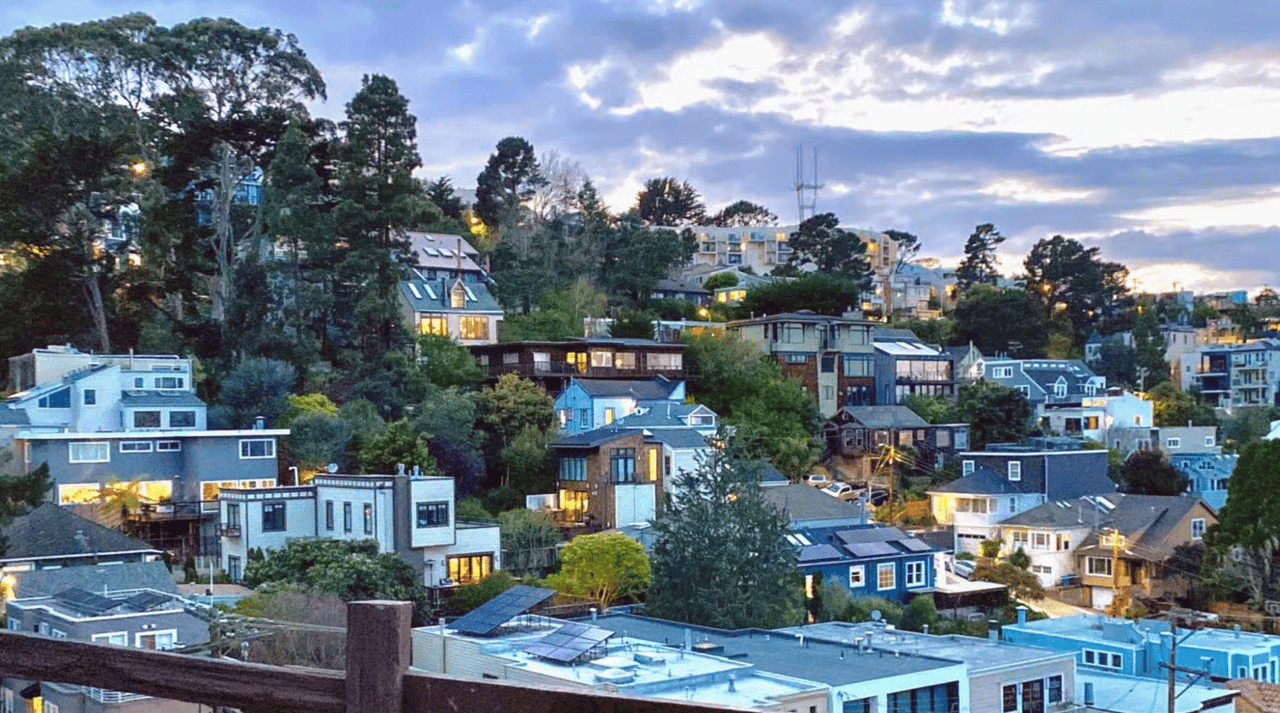
If you are trying to find a San Francisco neighborhood that feels easier to live in day to day, Noe Valley probably comes up fast. It is often known for its residential feel, walkable streets, and busy local corridor along 24th Street, and San Francisco Travel even notes its nickname, “Stroller Valley,” because of how many strollers you see around the neighborhood. If you are weighing lifestyle, housing, parks, commute options, and school choices, this guide will help you see where Noe Valley fits and where it may fall short. Let’s dive in.
Noe Valley is often described as a more village-like part of San Francisco, with a primarily residential layout and a pedestrian-friendly rhythm. Along 24th Street, you will find shops and restaurants that support an easy local routine, while stretches like Sanchez Street add to the neighborhood’s walkable feel, according to San Francisco Travel’s neighborhood coverage.
For many buyers, the appeal is simple: Noe Valley offers a lower-rise, more neighborhood-scale setting instead of a dense high-rise environment. If you want a part of the city where everyday errands, coffee stops, park visits, and casual walks can feel more connected, that can be a meaningful advantage.
For households thinking about the next few years, Noe Valley often stands out because several daily-life pieces are close together. Parks, schools, transit, and a neighborhood gathering space all play a role in making the area feel practical as well as appealing.
That does not mean it is the right fit for everyone. The biggest question is whether the lifestyle benefits match your budget, space needs, and housing preferences.
A walkable neighborhood can make a real difference when you are balancing work, errands, and family schedules. In Noe Valley, the commercial activity on 24th Street and the neighborhood’s pedestrian-friendly layout make it easier to picture a routine built around shorter trips and more time spent nearby.
That kind of setup can be especially attractive if you want a home base that feels active without feeling overly dense. It is one of the clearest reasons buyers keep Noe Valley on their shortlist.
Noe Valley also benefits from having a true neighborhood gathering place. Noe Valley Town Square hosts farmers markets, cafe seating, exercise classes, music events, bingo, food pantries, and senior events, which gives the area a steady community rhythm.
The Noe Valley Farmers Market takes place year-round on Saturdays from 8 a.m. to 1 p.m. at the Town Square. For many households, having a reliable weekly event like that adds convenience and helps the neighborhood feel more connected.
Outdoor space is one of Noe Valley’s strongest practical advantages. If you are comparing neighborhoods, the local park and recreation options deserve real attention.
Upper Noe Recreation Center is one of the neighborhood’s standout amenities. SF Rec and Park lists a playground, athletic field, gymnasium, picnic area, tennis, pickleball, basketball, and an off-leash dog play area.
It also offers programming such as tot classes and after-school activities. For buyers trying to assess long-term livability, that mix of outdoor space and organized programming can be a major plus.
Douglass Playground gives residents another strong option nearby. The city lists a playground, tennis and basketball courts, picnic areas, an off-leash dog area, a clubhouse, and views of downtown San Francisco.
Having more than one meaningful recreation space nearby can make a neighborhood easier to grow into. It gives you flexibility for different ages, schedules, and everyday routines.
If schools are part of your home search, Noe Valley offers several options to review. It is important to look at current enrollment details, tour opportunities, and assignment rules directly through the district as you narrow down what works for your household.
Alvarado Elementary School is an SFUSD TK-5 school at 625 Douglass Street. SFUSD says it offers general education, Spanish immersion, special education, and transitional kindergarten.
James Lick Middle School is located at 1220 Noe Street and serves grades 6-8. SFUSD describes it as a comprehensive middle school with Spanish immersion and visual and performing arts.
For younger children, Theresa S. Mahler Early Education School serves PreK only at 990 Church Street. SFUSD notes that it is half a block from the J Church and two blocks from the 48 Quintara bus.
Mission Education Center, located at 1670 Noe Street, serves PreK-5 and is designed for newly arrived Spanish-speaking immigrant students, according to SFUSD. More broadly, SFUSD says families can choose from 13 early education schools, 72 elementary schools, 13 middle schools, and 14 high schools, and the district provides a school discovery and enrollment resource with tours, a school finder, and enrollment information.
Some buyers also want nearby non-public school options in the mix. The Archdiocese directory lists St. Paul Elementary School at 1690 Church Street, serving grades K-8, and notes that need-based aid and scholarship programs are available for Catholic-school families.
Housing style is one of the biggest reasons buyers consider Noe Valley in the first place. If you prefer a low-rise streetscape over a tower-dominated district, the neighborhood’s housing stock is a meaningful part of its appeal.
According to the San Francisco Planning 2024 Housing Inventory, Noe Valley had 11,537 housing units in its 2023 stock. Of those, 5,040 units were in 2-4 unit buildings and 3,221 were single-family homes.
That mix helps explain why Noe Valley feels physically different from many central San Francisco neighborhoods. You will generally see more small-scale buildings and older housing types rather than large concentrations of new high-rise inventory.
The trade-off is cost and supply. Realtor.com’s Noe Valley market overview reports a median home price of $1,895,000, a median rent of $3,800 per month, 17 active homes for sale, 11 rentals, and a seller’s market with an average of 72 days on market.
That data points to a premium market with limited options. For you as a buyer, that can mean acting quickly when the right home appears and being clear about which features matter most.
In practical terms, Noe Valley often appeals to buyers who want more neighborhood feel, lower-rise housing, and a strong local routine. But because supply is tight and pricing is high, you may need to compromise on size, level of updates, or budget flexibility.
This is a different value equation from a newer condo search in more tower-oriented parts of San Francisco. Instead of prioritizing new construction and amenity-heavy buildings, buyers here often prioritize street-level livability, housing character, and location.
Commute access is another reason Noe Valley stays in demand. The neighborhood is not isolated from the rest of the city, and that matters if you need regular access to downtown or other parts of San Francisco.
The SFMTA J Church route includes stops at Church and 24th and Church and 30th, with service continuing to Embarcadero. Nearby BART access is also available in adjacent neighborhoods at Glen Park and 24th St. Mission.
If you want a neighborhood that feels residential but still connects to core job centers and city destinations, that balance is part of the appeal. Your exact experience will depend on where you work and how often you commute, but transit is clearly part of the neighborhood’s value.
Noe Valley can be a strong fit if you value walkability, parks, a neighborhood-scale commercial corridor, and multiple school options. It tends to attract buyers who care as much about everyday lifestyle as they do about square footage or access to new inventory.
It may be less ideal if your top priority is a lower entry price or a large supply of newer condos. In that case, the neighborhood can feel more constrained, especially in a competitive market.
The best way to evaluate Noe Valley is to compare your real priorities. If you want a residential San Francisco setting with useful amenities close at hand and you are prepared for a premium price point, it is easy to see why so many buyers keep coming back to it.
If you are weighing Noe Valley against other San Francisco neighborhoods and want a more tailored, data-driven perspective, Sean Mamola offers a discreet, concierge-level approach to help you evaluate fit, timing, and opportunity with clarity.
Primary phone
(415) 704-3640License Number
#02056250Address
891 Beach StSean Mamola is a San Francisco real estate agent who specializes in luxury properties and penthouses throughout the city's most coveted neighborhoods. As a Global Luxury Specialist with Compass and Rises.co, Sean works with discerning clients who are buying and selling exceptional properties in San Francisco. Since 2018 he has closed 75+ transactions and more than $100M in sales volume across the city's high-rise condo and penthouse market.
Sean focuses on San Francisco's premier areas including South Beach, Yerba Buena, Mission Bay, Pacific Heights, Lower Pacific Heights, Russian Hill, and Nob Hill. His deep knowledge of these neighborhoods allows him to guide clients to properties that perfectly match their lifestyle and investment goals.
Whether you're drawn to the modern luxury of South Beach condos, the urban sophistication of Yerba Buena, the waterfront appeal of Mission Bay, the timeless elegance of Pacific Heights, the historic charm of Russian Hill, or the prestigious heights of Nob Hill, Sean understands what makes each area unique.
For Sellers
Sean creates comprehensive marketing strategies that attract qualified buyers with refined tastes. He believes in elegant staging with meticulous attention to detail, ensuring your property makes an unforgettable impression. His marketing reaches both international and local luxury markets, maximizing exposure for condos, penthouses, condotels, and new developments.
For Buyers
Using cutting-edge technology and market research, Sean carefully analyzes pricing and property trends to find homes that satisfy his clients' specific preferences, price points, and lifestyles. His 24/7 availability and white-glove service ensure you never miss the right opportunity.
Working with Sean and his partnership with Rises.co gives clients significant competitive advantages. His vast network of interconnected agents results in winning offers and an impressively low ratio of properties shown to offers accepted. Sean's impeccable work ethic and precise negotiation skills ensure sellers find the right buyer and buyers secure their dream home.
Before becoming a licensed real estate agent, Sean spent years in luxury hospitality, skills he applies to every client relationship and transaction. He has tremendous respect for people's privacy and consistently exceeds expectations – from international travel to execute transactions to handling unique special requests.
As a Bay Area native who lived in New York City for 15 years, Sean brings a global perspective and genuine appreciation for people from all walks of life. His diverse background helps him connect with clients whether they're local San Francisco residents or international buyers seeking their perfect property.
When not working, Sean enjoys cycling, spending time with his large Irish-Italian family, and volunteering for Food Runners, The Richmond/Ermet Aid Foundation (REAF), and Broadway Cares/Equity Fights AIDS. This community involvement reflects his commitment to giving back to the city he serves.
If you're looking for an exceptional San Francisco real estate agent who specializes in luxury properties and provides truly high-touch service, let's talk. Sean is ready to help you find your perfect San Francisco home or achieve the best possible outcome when selling your property.
Specializing in luxury condos, penthouses, and exceptional properties in South Beach, Yerba Buena, Mission Bay, Pacific Heights, Lower Pacific Heights, Russian Hill, and Nob Hill.
Stay up to date on the latest real estate trends.
Sean Mamola | October 22, 2026
A Saturday Halloween runs from a Church Street dog parade to Fair Oaks after dark
Sean Mamola | October 19, 2026
Off-market or on the MLS? A 2026 guide for San Francisco condo sellers.

Sean Mamola | October 16, 2026
How a 1031 exchange defers capital gains on a San Francisco investment property.

Sean Mamola | October 15, 2026
One construction fence comes down, and another goes up across Post Street.
Sean Mamola | October 15, 2026
The disclosures and reports a San Francisco seller must provide in 2026.
Sean Mamola | October 14, 2026
What Yerba Buena condo buyers need to know in 2026: value, buildings, and leverage.
Sean Mamola | October 13, 2026
What Mission Bay condo buyers need to know in 2026: prices, buildings, and pace.

Sean Mamola | October 12, 2026
Two-thirds of condos sold over asking and the median rose 23%. Then mortgage rates climbed to 7.40%. Here's how I'm reading both.
Sean Mamola | October 12, 2026
What South Beach condo buyers need to know in 2026: prices, buildings, and strategy.

CONTACT SEAN MAMOLA AT RISES.CO
CA DRE# 02056250
891 Beach St.,
San Francisco CA 94109