How Yerba Buena Condo Amenities Shape Value
Rises.co June 11, 2026
Rises.co June 11, 2026
If you are shopping for a condo in Yerba Buena, it is easy to get distracted by the amenity sheet. Pool, valet, concierge, rooftop lounge, fitness center. On paper, it can all sound like instant value. In reality, condo amenities only matter when they improve your daily life, support resale demand, and make financial sense within the building’s HOA structure. In a neighborhood as amenity-rich as Yerba Buena, that distinction matters even more. Let’s dive in.
Yerba Buena is not a typical condo submarket where the building has to provide everything. The neighborhood was redeveloped as an 87-acre project area and now includes more than 2,500 housing units, along with hotels, retail, gardens, and cultural facilities. SF.gov also describes the area as having the city’s highest concentration of museums, galleries, and public art, with Powell and Montgomery BART and Muni stations within blocks.
That means buyers in Yerba Buena already have strong neighborhood convenience built in. When a condo building offers premium amenities, those features are competing with what is already outside your front door. To support a higher price, the amenity package usually needs to feel truly useful, private, or time-saving.
Not all amenities shape value the same way. In Yerba Buena, the amenities most likely to affect pricing are the ones that improve convenience, support entertaining, or solve a real downtown living need.
In full-service towers, concierge and valet are more than luxury branding. They support convenience, privacy, and low-friction ownership, especially if you travel often or want a more turnkey lifestyle. In buildings like St. Regis and Four Seasons Residences, the service layer includes features such as door personnel, security, lobby attendance, valet, and concierge support.
For the right buyer, that kind of staffing can absolutely support value. It can make ownership feel easier and more polished. But the premium usually depends on whether the building’s reputation and service quality remain strong over time.
Fitness centers, pools, spas, saunas, and wellness areas can help a building compete for luxury buyers. St. Regis, for example, includes a gym, spa, hot tub, sauna, pool, clubhouse, and roof deck, while Four Seasons adds a fitness studio within a private club setting.
Still, these spaces do not create value in isolation. They also bring recurring cleaning, staffing, insurance, and replacement costs. In practice, their resale impact tends to be strongest when they fit the building’s overall service tier and are well managed.
Shared spaces often matter most when people actually use them. Research on high-end condominiums found that a meeting room and an external space that could host events were associated with resale premiums of about 7% and 16%, respectively.
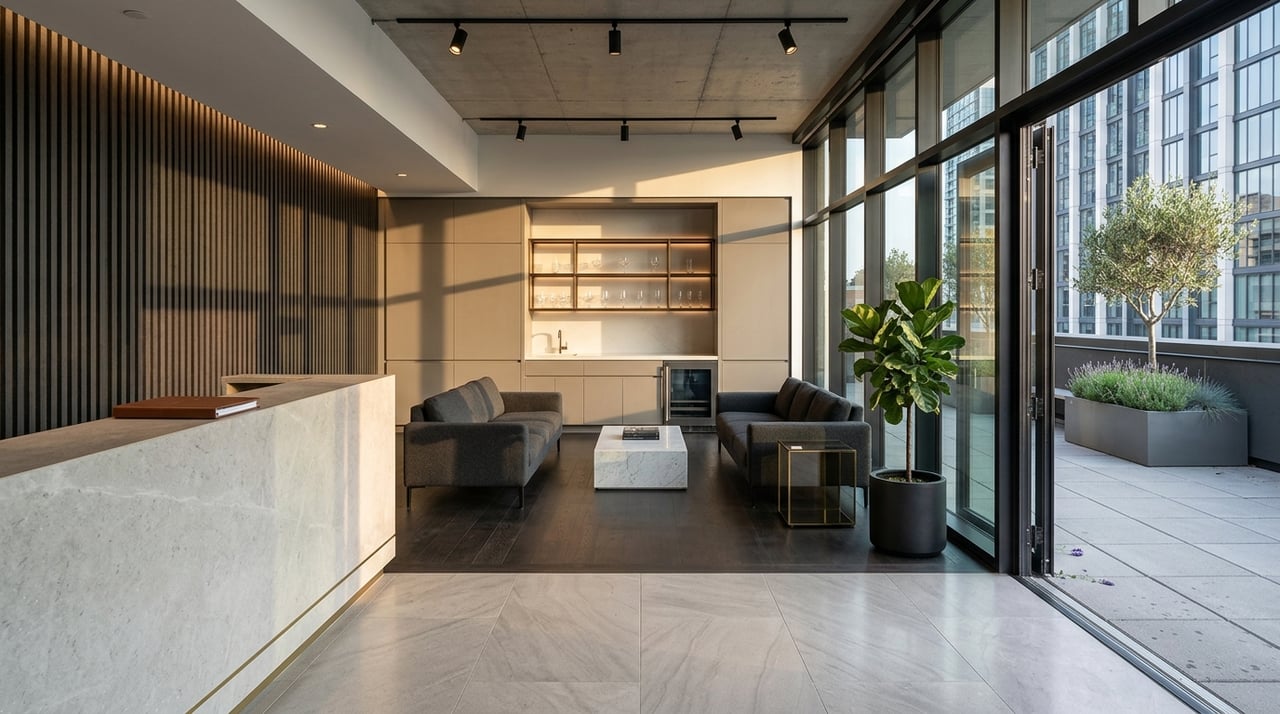
That is a helpful lens for Yerba Buena buyers. A resident lounge, club room, or event space may carry more value when it supports working, hosting, or gathering. Decorative common areas that look impressive but serve little day-to-day purpose may not hold the same pricing power.
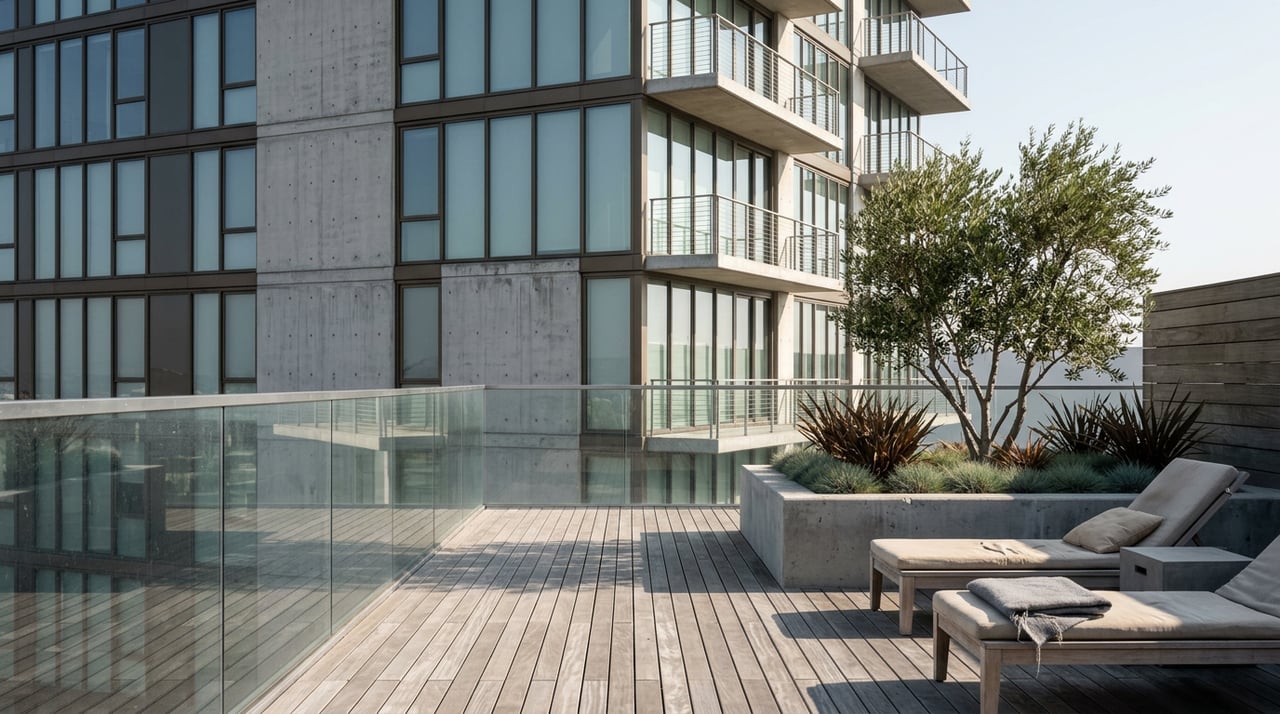
Outdoor space is especially important in an urban high-rise setting. Rooftop terraces can add value when they provide real outdoor living, useful seating, privacy, and strong views rather than just visual appeal.
Recent San Francisco market coverage also points to buyers paying aggressively for units with views, private terraces, and parking. In Yerba Buena, a rooftop or terrace feature tends to matter more when it creates a clear lifestyle advantage over nearby buildings.
Parking remains one of the clearest direct value drivers in San Francisco condos. A San Francisco planning analysis used a $100,000 bundled parking-space premium per condo unit in a feasibility model based on Market Octavia condo sales.
That does not mean every parking space in Yerba Buena carries the same value. But it does show that secure parking, valet access, and deeded spaces can materially affect what buyers are willing to pay. In a downtown environment, parking is often more than a convenience. It can be a meaningful pricing factor.
The flip side of premium amenities is cost. In California, HOA budgets are built around fixed costs, operating costs, reserves, administration, and contingency. The California Department of Real Estate also notes that reserves help cover long-life components such as painting, roofing, lighting, carpet, pool equipment, furniture, and paving.
In other words, every staffed lobby, pool, elevator system, terrace, and garage feature has to be paid for somehow. Sometimes buyers focus on the purchase price and treat the amenity package as a bonus. In reality, those features often show up every month in your HOA dues and again over time through reserve contributions.
This is especially relevant in the Bay Area because the carry cost baseline is already high. Realtor.com’s 2025 HOA report, as summarized by Axios, put the median monthly HOA fee in the San Francisco metro at $502, up from $360 in 2019. So when you evaluate a full-service Yerba Buena tower, the true monthly cost may look very different once dues, insurance, and reserves are factored in.
High HOA dues do not automatically hurt value. In many luxury buildings, they reflect real services, strong staffing, insurance, maintenance, and reserve planning. The bigger concern is when a building carries expensive amenities but does not fund them properly.
The California Department of Real Estate warns that weak reserves can lead to deferred maintenance, special assessments that may reach tens of thousands of dollars, and even difficulty selling or obtaining financing if the property is not adequately maintained. That is why an amenity list alone never tells the full story.
Before you view a building as a premium asset, it is worth reviewing:
A building with fewer amenities but stronger financial discipline may be a better long-term buy than one with a long feature list and weaker funding.
Yerba Buena’s luxury towers do not trade as one interchangeable category. Public-records-based building pages show a meaningful spread in recent price per square foot figures. St. Regis is shown at $1,530 per square foot with two closed sales in the last 12 months, Four Seasons Residences at $1,186 per square foot with two closed sales, and Millennium Tower at $807 per square foot.
That gap suggests a simple but important point. Amenities matter, but they are only one piece of the valuation puzzle. Brand perception, building quality, floor plan, views, parking, and buyer confidence can have just as much impact, if not more.
The low number of annual closed sales in some towers also means each comp deserves careful attention. In a building with only a couple of recent sales, one standout closing can move the apparent median quite a bit. In Yerba Buena, the most useful comp is often one in the same tower with a similar stack, view corridor, layout, and parking or terrace setup.
If you are comparing condo options in Yerba Buena, it helps to move past the marketing language and ask a few sharper questions.
A feature usually supports value best when it solves a daily need or improves how you live in the home. Concierge, valet, parking, usable outdoor space, and flexible lounge areas often fall into that category.
If a space is rarely used, hard to access, or mostly decorative, the market may not reward it the same way. You may still enjoy it personally, but that does not always translate into stronger resale performance.
An appealing amenity package only helps value when the building can maintain it. Staffing, cleaning, repairs, insurance, and replacement all need budget support.
This is where reserve health matters. A well-funded building can protect both lifestyle quality and resale confidence. An underfunded one can turn amenities into future financial stress.
In Yerba Buena, buyers are often choosing among luxury towers with overlapping service offerings. If several buildings offer a gym, roof deck, and concierge, then the value difference may come down to execution rather than the checklist itself.
That includes the building’s reputation, design quality, privacy, service consistency, and how the amenities fit the overall ownership experience. In a competitive downtown setting, better run usually beats simply more.
If you are buying, the goal is not to chase the longest amenity list. The goal is to understand which features the market is likely to reward and whether the HOA financials support them.
If you are selling, it helps to position amenities in a practical way. Buyers in Yerba Buena are often more persuaded by convenience, usability, privacy, and well-managed operations than by generic luxury language. The strongest marketing angle is usually how the building’s services improve daily living and support confidence in ownership.
In this neighborhood, the best amenities are the ones that are both used and well funded. That is where lifestyle value and market value tend to meet.
If you want help comparing Yerba Buena towers, reviewing HOA financials, or positioning a luxury condo for resale, Sean Mamola offers a discreet, data-driven approach built for San Francisco high-rise living.

Primary phone
(415) 704-3640License Number
#02056250Address
891 Beach StSean Mamola is a San Francisco real estate agent who specializes in luxury properties and penthouses throughout the city's most coveted neighborhoods. As a Global Luxury Specialist with Compass and Rises.co, Sean works with discerning clients who are buying and selling exceptional properties in San Francisco. Since 2018 he has closed 75+ transactions and more than $100M in sales volume across the city's high-rise condo and penthouse market.
Sean focuses on San Francisco's premier areas including South Beach, Yerba Buena, Mission Bay, Pacific Heights, Lower Pacific Heights, Russian Hill, and Nob Hill. His deep knowledge of these neighborhoods allows him to guide clients to properties that perfectly match their lifestyle and investment goals.
Whether you're drawn to the modern luxury of South Beach condos, the urban sophistication of Yerba Buena, the waterfront appeal of Mission Bay, the timeless elegance of Pacific Heights, the historic charm of Russian Hill, or the prestigious heights of Nob Hill, Sean understands what makes each area unique.
For Sellers
Sean creates comprehensive marketing strategies that attract qualified buyers with refined tastes. He believes in elegant staging with meticulous attention to detail, ensuring your property makes an unforgettable impression. His marketing reaches both international and local luxury markets, maximizing exposure for condos, penthouses, condotels, and new developments.
For Buyers
Using cutting-edge technology and market research, Sean carefully analyzes pricing and property trends to find homes that satisfy his clients' specific preferences, price points, and lifestyles. His 24/7 availability and white-glove service ensure you never miss the right opportunity.
Working with Sean and his partnership with Rises.co gives clients significant competitive advantages. His vast network of interconnected agents results in winning offers and an impressively low ratio of properties shown to offers accepted. Sean's impeccable work ethic and precise negotiation skills ensure sellers find the right buyer and buyers secure their dream home.
Before becoming a licensed real estate agent, Sean spent years in luxury hospitality, skills he applies to every client relationship and transaction. He has tremendous respect for people's privacy and consistently exceeds expectations – from international travel to execute transactions to handling unique special requests.
As a Bay Area native who lived in New York City for 15 years, Sean brings a global perspective and genuine appreciation for people from all walks of life. His diverse background helps him connect with clients whether they're local San Francisco residents or international buyers seeking their perfect property.
When not working, Sean enjoys cycling, spending time with his large Irish-Italian family, and volunteering for Food Runners, The Richmond/Ermet Aid Foundation (REAF), and Broadway Cares/Equity Fights AIDS. This community involvement reflects his commitment to giving back to the city he serves.
If you're looking for an exceptional San Francisco real estate agent who specializes in luxury properties and provides truly high-touch service, let's talk. Sean is ready to help you find your perfect San Francisco home or achieve the best possible outcome when selling your property.
Specializing in luxury condos, penthouses, and exceptional properties in South Beach, Yerba Buena, Mission Bay, Pacific Heights, Lower Pacific Heights, Russian Hill, and Nob Hill.
Stay up to date on the latest real estate trends.
Sean Mamola | October 1, 2026
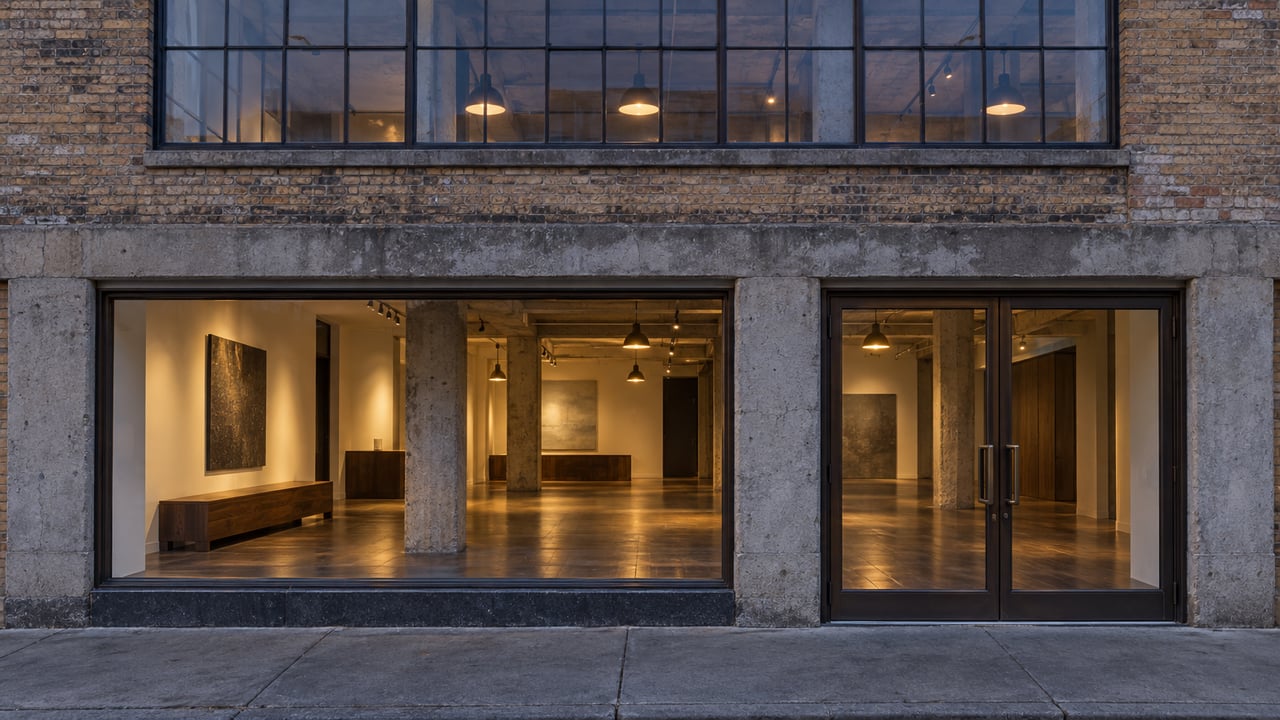
Showplace Square's showroom buildings are picking up tech tenants, and a Michelin-starred steakhouse anchors its traffic circle
Sean Mamola | September 24, 2026
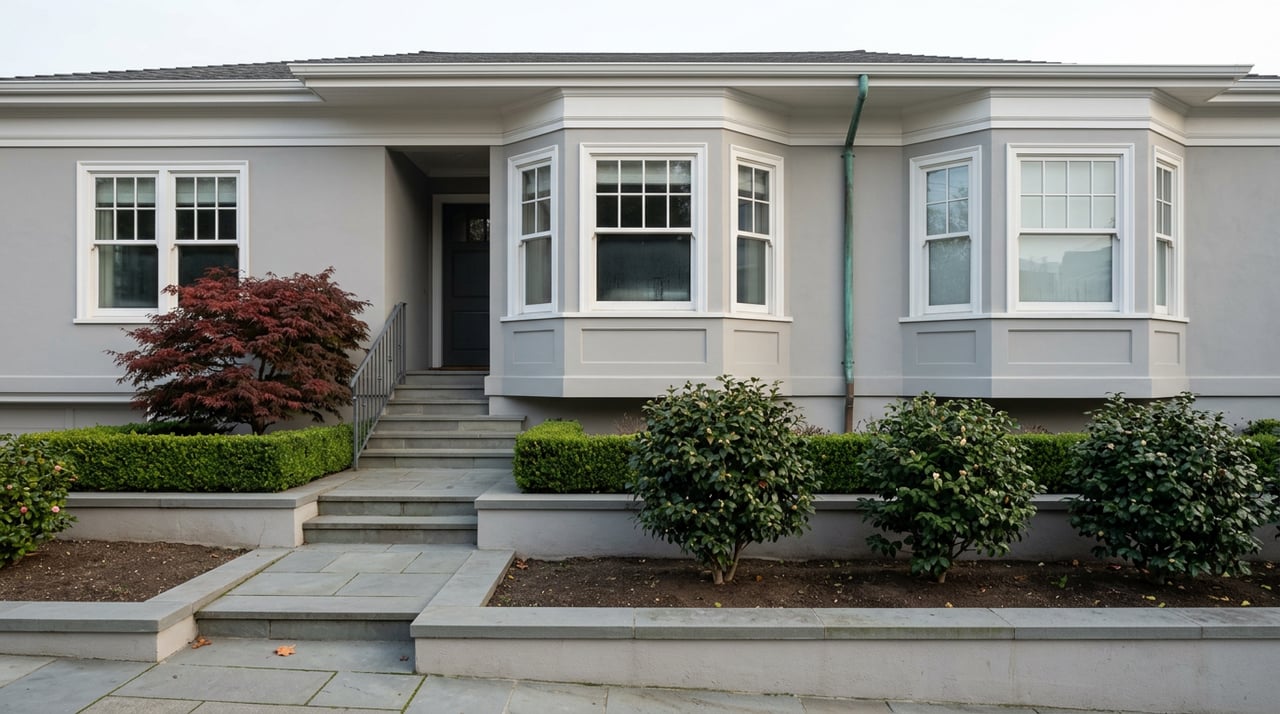
Three changes on three different clocks at the top of Pacific Heights
Sean Mamola | September 22, 2026
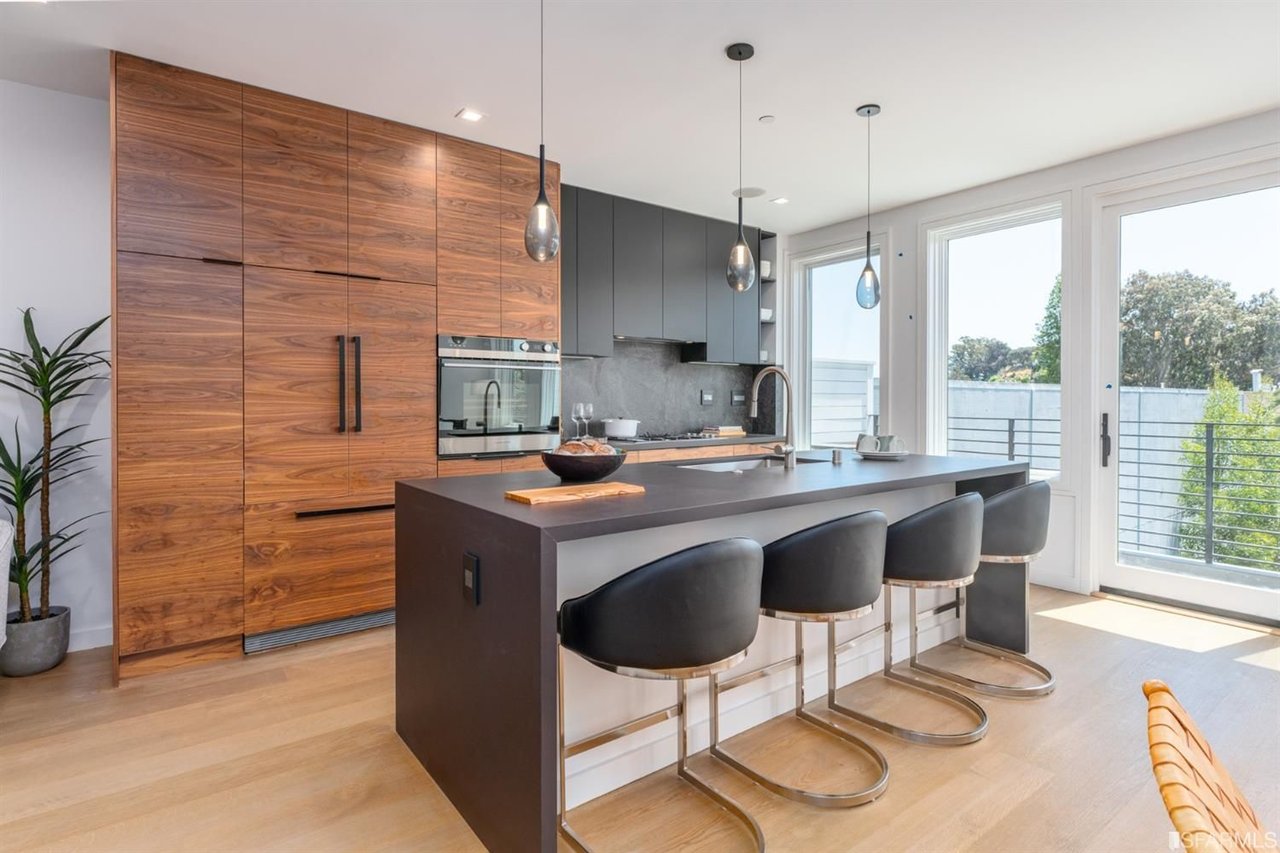
Rates just climbed back to 7%. Here's why waiting them out has almost never paid off for a San Francisco condo buyer.
Sean Mamola | September 21, 2026
The Fed just hiked for the first time since 2023. Before you wait, it's worth naming what you're waiting for.

Sean Mamola | September 17, 2026
The condo median climbed 22% while sales slowed. Here's what actually moved, and what it means this fall.
Sean Mamola | September 17, 2026
The Giants are done for 2026. Here's how the ballpark-to-arena calendar actually runs this fall.

Sean Mamola | September 10, 2026
A ticketed blockbuster at SFMOMA and a free festival finale on the Great Lawn, a few hundred feet apart

Sean Mamola | September 9, 2026
Sell first or buy first? A 2026 guide for San Francisco move-up sellers.

Sean Mamola | September 8, 2026
Selling a San Francisco condo with tenants in place: your options in 2026.

CONTACT SEAN MAMOLA AT RISES.CO
CA DRE# 02056250
891 Beach St.,
San Francisco CA 94109