Selling a Co-op on Nob Hill: What's Different
Sean Mamola | July 6, 2026
Sean Mamola | July 6, 2026
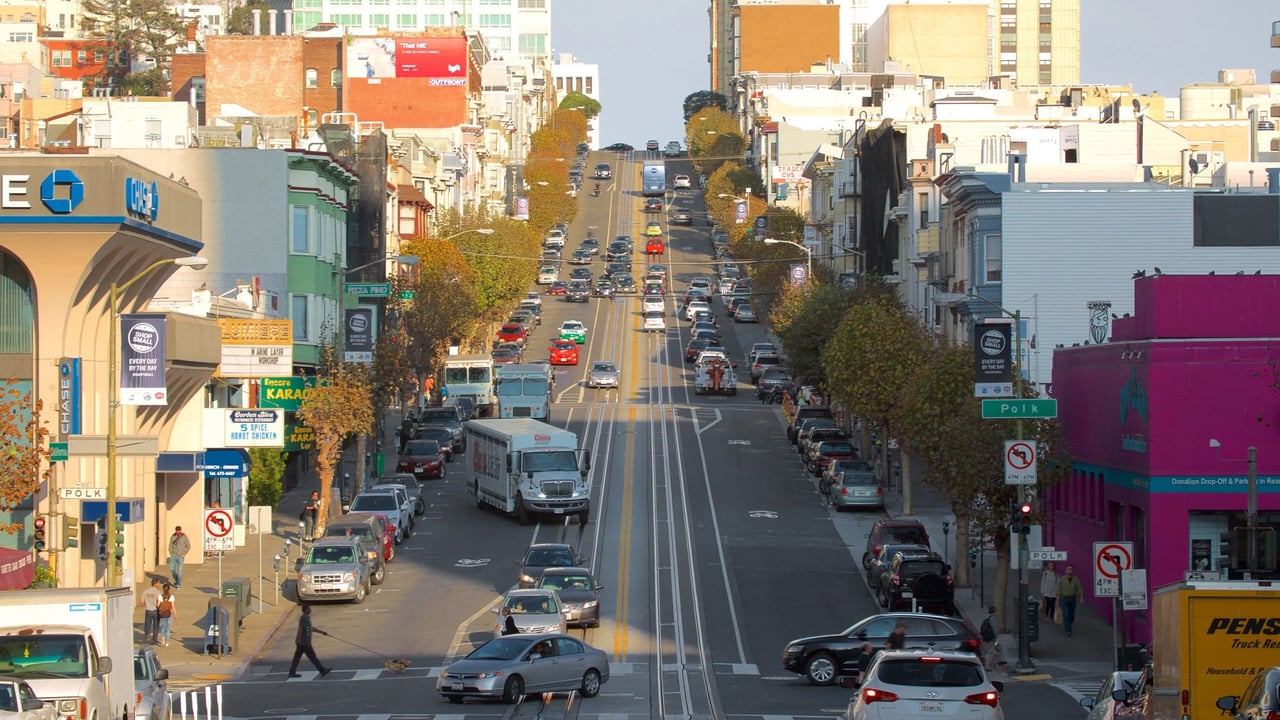
Some of Nob Hill's most coveted homes are not condominiums at all, but stock cooperatives, a legacy of the pre-war buildings that line the summit. If you own one, selling it works differently from selling a condo, and knowing those differences up front protects your price and your timeline. In the first half of 2026, co-ops across San Francisco's 94109 sold at a median of about $1,667,500, or roughly $1,200 per square foot, a premium over the area's condos. This guide explains what makes a co-op sale different. It is part of our complete 94109 seller's guide.
In a condominium, a buyer purchases the unit itself. In a stock cooperative, a buyer purchases shares in the corporation that owns the building, along with the right to occupy a specific home. That distinction changes almost everything about the sale: the approval process, the financing, the disclosures, and the buyer you are ultimately looking for. For the fundamentals, see our primer on condo vs. TIC vs. co-op ownership.
A co-op is a different animal, and sellers who treat it like a condo run into surprises. The building's board and the financing rules are part of your sale, not an afterthought.
In a co-op, the board typically must approve your buyer, which can include a detailed application and an interview. That means the most qualified offer is not only the highest one, but the one most likely to clear the board smoothly. As a seller, you are choosing a buyer who can satisfy both your price and the building's standards, so understanding your board's expectations before you list is a real advantage.
You are selling to a buyer the board will accept, so vet for that from the first offer. A slightly lower offer that sails through approval can beat a higher one that stalls.
Fewer lenders write loans on co-ops than on condos, and the terms can differ. That narrows the field of buyers who can close, and it makes a buyer's financing strength more important than in a typical condo sale. Pricing and marketing should account for this smaller, more specific pool rather than assuming the broad condo market.
Confirm your buyer's financing early and specifically. A co-op sale lives or dies on whether the loan actually closes.
Nob Hill co-ops sold at a per-foot premium in early 2026, but the right price still comes from the specific building, floor, view, and the health of the corporation. Because the buyer pool is smaller, marketing should target buyers who understand and want co-op ownership, and who appreciate the prestige and permanence these buildings offer. Lead with the building's provenance, its views, and its stability.
Price to the building and market to the right buyer. Co-op buyers are a specific audience, and reaching them is half the job.
The preparation that helps any premium home sell applies here, with an added emphasis on the corporation's financials. Assemble the co-op's financial statements, reserve information, house rules, and approval requirements, and present the home to show its light, views, and character. For the broader approach, see our guide on preparing a hilltop condo for a premium sale and on how HOA and building dues work.
Not harder, but different. Board approval and a narrower lender pool mean the process rewards a qualified, well-matched buyer and careful preparation, but Nob Hill co-ops sold well and at a per-foot premium in early 2026.
In the first half of 2026, 94109 co-ops sold at a median of about $1,667,500, or roughly $1,200 per square foot, a premium over the area's condos.
In most stock cooperatives, yes. The board typically reviews and approves the buyer, which is why matching your buyer to the building's standards matters as much as the offer price.
Fewer lenders write co-op loans than condo loans, so the pool of buyers who can finance and close is smaller and more specific.
Lead with the building's provenance, views, and stability, and target buyers who understand and want co-op ownership. A specialist who knows the Nob Hill co-op market can reach that audience.
Selling a co-op on Nob Hill? I bring 17+ years of real estate expertise and a luxury hospitality background to every client relationship, with a track record spanning entry-level condos to an $8.7 million South Beach penthouse. As a Global Luxury Specialist with Compass who works the Nob Hill market closely, I price, prepare, and market each co-op to the right buyer and the board. Schedule a consultation or call (415) 704-3640.

Primary phone
(415) 704-3640License Number
#02056250Address
891 Beach St,Sean Mamola is a San Francisco real estate agent who specializes in luxury properties and penthouses throughout the city's most coveted neighborhoods. As a Global Luxury Specialist with Compass and Rises.co, Sean works with discerning clients who are buying and selling exceptional properties in San Francisco. Since 2018 he has closed 75+ transactions and more than $100M in sales volume across the city's high-rise condo and penthouse market.
Sean focuses on San Francisco's premier areas including South Beach, Yerba Buena, Mission Bay, Pacific Heights, Lower Pacific Heights, Russian Hill, and Nob Hill. His deep knowledge of these neighborhoods allows him to guide clients to properties that perfectly match their lifestyle and investment goals.
Whether you're drawn to the modern luxury of South Beach condos, the urban sophistication of Yerba Buena, the waterfront appeal of Mission Bay, the timeless elegance of Pacific Heights, the historic charm of Russian Hill, or the prestigious heights of Nob Hill, Sean understands what makes each area unique.
For Sellers
Sean creates comprehensive marketing strategies that attract qualified buyers with refined tastes. He believes in elegant staging with meticulous attention to detail, ensuring your property makes an unforgettable impression. His marketing reaches both international and local luxury markets, maximizing exposure for condos, penthouses, condotels, and new developments.
For Buyers
Using cutting-edge technology and market research, Sean carefully analyzes pricing and property trends to find homes that satisfy his clients' specific preferences, price points, and lifestyles. His 24/7 availability and white-glove service ensure you never miss the right opportunity.
Working with Sean and his partnership with Rises.co gives clients significant competitive advantages. His vast network of interconnected agents results in winning offers and an impressively low ratio of properties shown to offers accepted. Sean's impeccable work ethic and precise negotiation skills ensure sellers find the right buyer and buyers secure their dream home.
Before becoming a licensed real estate agent, Sean spent years in luxury hospitality, skills he applies to every client relationship and transaction. He has tremendous respect for people's privacy and consistently exceeds expectations – from international travel to execute transactions to handling unique special requests.
As a Bay Area native who lived in New York City for 15 years, Sean brings a global perspective and genuine appreciation for people from all walks of life. His diverse background helps him connect with clients whether they're local San Francisco residents or international buyers seeking their perfect property.
When not working, Sean enjoys cycling, spending time with his large Irish-Italian family, and volunteering for Food Runners, The Richmond/Ermet Aid Foundation (REAF), and Broadway Cares/Equity Fights AIDS. This community involvement reflects his commitment to giving back to the city he serves.
If you're looking for an exceptional San Francisco real estate agent who specializes in luxury properties and provides truly high-touch service, let's talk. Sean is ready to help you find your perfect San Francisco home or achieve the best possible outcome when selling your property.
Specializing in luxury condos, penthouses, and exceptional properties in South Beach, Yerba Buena, Mission Bay, Pacific Heights, Lower Pacific Heights, Russian Hill, and Nob Hill.
Stay up to date on the latest real estate trends.

Sean Mamola | September 17, 2026
The condo median climbed 22% while sales slowed. Here's what actually moved, and what it means this fall.
September 17, 2026

September 10, 2026

Sean Mamola | September 9, 2026
Sell first or buy first? A 2026 guide for San Francisco move-up sellers.

Sean Mamola | September 8, 2026
Selling a San Francisco condo with tenants in place: your options in 2026.

Sean Mamola | September 5, 2026
As-is or renovate before selling? A 2026 decision guide for SF condo sellers.

Sean Mamola | September 4, 2026
Capital gains on a San Francisco home sale, explained for 2026 sellers.

Sean Mamola | September 3, 2026
One investor now controls eleven storefronts across three blocks. The restaurant announcements are the visible part.

Sean Mamola | September 3, 2026
The real costs of selling a San Francisco condo in 2026, broken down.

CONTACT SEAN MAMOLA AT RISES.CO
CA DRE# 02056250
891 Beach St.,
San Francisco CA 94109