Why South Beach and East Cut Make Car-Free Living Easy
Rises.co June 28, 2026
Rises.co June 28, 2026
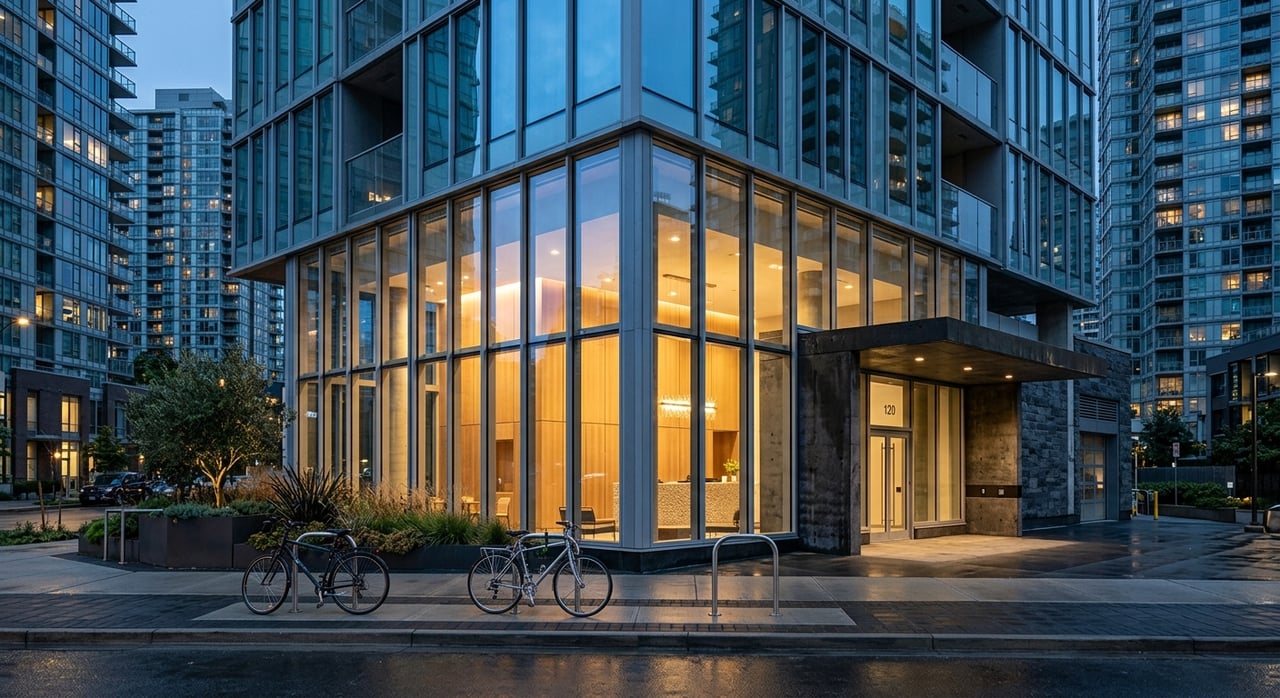
If you want San Francisco waterfront access without building your day around a car, South Beach and the East Cut deserve a close look. These neighborhoods sit in a rare pocket where downtown transit, waterfront paths, daily errands, and high-rise living come together in one compact footprint. For buyers considering a condo here, the real appeal is not just scenery. It is the ability to move through your week with more ease, more options, and less dependence on driving. Let’s dive in.
South Beach and the East Cut benefit from planning that was built around density, walkability, and transit access. The East Cut covers the mixed-use section of downtown between Market and Harrison and between 2nd and Steuart, while nearby South Beach anchors the northeastern waterfront around Mission Bay’s northern edge, South Beach Harbor, and Pier 40.
What matters most for daily life is how the area functions on the ground. San Francisco’s Rincon Hill planning framework explicitly expects walking to be the primary way many residents handle everyday needs, thanks to the nearby downtown core, major regional transit hubs, and neighborhood retail concentrated along Folsom Street. That is a strong sign of how this part of the city is designed to work.
For condo buyers, that design translates into practical convenience. You can live near work, transit, outdoor space, and neighborhood services without treating every errand as a separate trip.
One of the biggest advantages of living in South Beach or the East Cut is the sheer number of transit choices close by. Instead of relying on one line or one station, you have layers of local and regional connections.
Embarcadero Station and Montgomery Street Station give the neighborhood direct access to BART’s regional rail network. Embarcadero sits near the Ferry Building, Salesforce Transit Center, and the waterfront, while Montgomery offers strong connections into the rest of San Francisco through Muni.
If your routine includes downtown meetings, airport connections, or travel across the Bay, that regional reach matters. It gives you flexibility that many residential pockets simply do not have.
Several active Muni lines are especially useful in this part of the city. The F Market & Wharves runs daily from morning to midnight and serves key waterfront stops including Market and Main, Steuart, and the Ferry Building area.
The T Third Street connects the South Beach edge around 4th and Brannan and 4th and King, which is especially relevant for residents near Oracle Park and the southern waterfront. The 12 Folsom/Pacific adds an important east-west option through streets like Main, Folsom, Spear, Harrison, and 2nd.
There is also the 25 Treasure Island bus, which runs 24 hours a day and stops at Salesforce Transit Center in SoMa. For residents who value options at different times of day, that kind of coverage adds another layer of convenience.
The Salesforce Transit Center is more than a single stop. TJPA describes it as a regional hub serving nine transit systems, with retail, wellness services, and a 5.4-acre public park above.
That concentration matters if you are trying to simplify your daily routine. It gives you access to transit, useful services, and public open space in one place, which supports a more efficient and lower-maintenance urban lifestyle.
Living near the bay is not only about the view. In South Beach and the East Cut, the waterfront also works as transportation infrastructure.
The San Francisco Ferry Terminal, located behind the Ferry Building at the foot of Market Street, connects the city to the East Bay, North Bay, and Treasure Island. BART and Muni are just steps away, which makes ferry commuting a realistic option rather than a novelty.
Golden Gate Ferry also serves Sausalito, Larkspur, and Tiburon from the San Francisco terminal. For Giants home games and some events, there is also special Oracle Park ferry service, which adds a useful bonus for residents who enjoy game-day convenience without driving.
If you picture car-free living as crowded sidewalks and constant tradeoffs, this area offers a different experience. Here, walking is not just possible. It is built into how the neighborhood connects.
The Embarcadero Promenade runs from Fisherman’s Wharf to Oracle Park and forms part of the Bay Trail. South of there, the Blue Greenway continues from China Basin to Heron’s Head Park and further toward South San Francisco.
That means your walking routes are not limited to busy commercial blocks. You also have long waterfront stretches that work well for morning walks, casual errands, and scenic weekend time outside.
In Rincon Hill, Main, Beale, and Spear are intended as living streets with reduced traffic lanes and widened sidewalks. The plan also envisions a continuous pedestrian promenade linking the Financial District south to the Embarcadero.
That kind of planning makes a difference in how the neighborhood feels day to day. Wider sidewalks, calmer street design, and direct pedestrian routes help make short trips simpler and more pleasant.
For residents who want another option between walking and transit, biking adds real flexibility. The waterfront is already a strong corridor for bike movement, and current safety work is improving it further.
SFMTA’s Central Embarcadero project is extending waterfront safety improvements between Broadway and Brannan. That includes a protected bikeway from Folsom south to Brannan, along with safer promenade access and crossing improvements.
In practical terms, that gives you more range without adding much effort. A quick ride to the Ferry Building, Oracle Park area, or nearby downtown blocks can become part of your regular routine.
A car-free lifestyle only works if the basics are close at hand. In South Beach and the East Cut, city planning and neighborhood amenities both support that idea.
The Transit Center District Plan calls for a mixed-use, pedestrian-oriented district with a rich variety of supporting services. It identifies 2nd Street, Natoma Street, and Ecker Street as important active-retail streets, and it emphasizes active ground floors and pedestrian-friendly street life.
The Rincon Hill plan adds that Folsom Street should function as the commercial heart of the area, lined with neighborhood-serving retail, restaurants, and services. For residents, that is the difference between admiring a neighborhood and actually living well in it.
The Ferry Building Marketplace is one of the most useful nearby anchors for everyday needs. Village Market offers pantry staples and quick commuter items, while the Ferry Plaza Farmers Market brings together more than 100 vendors on Saturdays.
That gives you options for both convenience and quality. Whether you are picking up a few basics or planning a weekend market run, the errand experience feels accessible rather than out of the way.
One overlooked benefit of car-light living is how much more your neighborhood itself matters. In South Beach and the East Cut, open space is not an afterthought.
South Beach Harbor Park offers Bay Trail frontage, a large lawn, and a playground between Pier 40 and Oracle Park. Brannan Street Wharf Park adds picnic tables, benches, a lawn, and waterfront viewing space along The Embarcadero.
Salesforce Park brings another layer of green space to the district with a curved walking trail, lawns, fountains, a play area, an amphitheater, and extensive planting across 13 botanical feature areas. TJPA also notes free year-round activities, which adds more life to the neighborhood beyond commute hours.
The Crossing at East Cut is another useful example of amenity density. Located at 250 Main Street, it combines outdoor dining, sport courts, a beer garden, and community events in a single local destination.
Car-free living here is compelling, but it is best understood as car-light rather than car-absent. The neighborhood offers unusually dense alternatives for commuting, errands, recreation, and weekend plans, but it is still part of a busy downtown and waterfront system.
San Francisco Planning notes that bridge-bound traffic and freeway-ramp conditions still affect streets including First, Folsom, New Montgomery, Howard, and Mission. In other words, some streets can still feel pressured by traffic even in an area designed to support walking, biking, and transit.
That is why building choice, block location, and your own routine matter so much. If you are considering a luxury condo in South Beach or the East Cut, the best fit often comes down to how close you want to be to the waterfront, transit hubs, retail streets, and quieter pedestrian routes.
For many condo buyers, especially relocating professionals and buyers seeking a streamlined city base, car-free living is not just a lifestyle preference. It is a time and quality-of-life decision.
In South Beach and the East Cut, that value shows up in small daily moments. You can step out for a waterfront walk, reach regional transit quickly, handle errands close to home, and access major parts of the city without defaulting to a car.
That is a meaningful advantage in San Francisco, especially when paired with the high-rise inventory, bay views, and downtown access that define this part of the market. If you are drawn to turnkey urban living, these neighborhoods offer one of the clearest examples of how location can make luxury feel easier to live in.
If you are exploring a move to South Beach or the East Cut, or preparing to sell a high-rise residence in this waterfront corridor, Sean Mamola offers a discreet, concierge-level approach tailored to San Francisco vertical living.
Primary phone
(415) 704-3640License Number
#02056250Address
891 Beach StSean Mamola is a San Francisco real estate agent who specializes in luxury properties and penthouses throughout the city's most coveted neighborhoods. As a Global Luxury Specialist with Compass and Rises.co, Sean works with discerning clients who are buying and selling exceptional properties in San Francisco. Since 2018 he has closed 75+ transactions and more than $100M in sales volume across the city's high-rise condo and penthouse market.
Sean focuses on San Francisco's premier areas including South Beach, Yerba Buena, Mission Bay, Pacific Heights, Lower Pacific Heights, Russian Hill, and Nob Hill. His deep knowledge of these neighborhoods allows him to guide clients to properties that perfectly match their lifestyle and investment goals.
Whether you're drawn to the modern luxury of South Beach condos, the urban sophistication of Yerba Buena, the waterfront appeal of Mission Bay, the timeless elegance of Pacific Heights, the historic charm of Russian Hill, or the prestigious heights of Nob Hill, Sean understands what makes each area unique.
For Sellers
Sean creates comprehensive marketing strategies that attract qualified buyers with refined tastes. He believes in elegant staging with meticulous attention to detail, ensuring your property makes an unforgettable impression. His marketing reaches both international and local luxury markets, maximizing exposure for condos, penthouses, condotels, and new developments.
For Buyers
Using cutting-edge technology and market research, Sean carefully analyzes pricing and property trends to find homes that satisfy his clients' specific preferences, price points, and lifestyles. His 24/7 availability and white-glove service ensure you never miss the right opportunity.
Working with Sean and his partnership with Rises.co gives clients significant competitive advantages. His vast network of interconnected agents results in winning offers and an impressively low ratio of properties shown to offers accepted. Sean's impeccable work ethic and precise negotiation skills ensure sellers find the right buyer and buyers secure their dream home.
Before becoming a licensed real estate agent, Sean spent years in luxury hospitality, skills he applies to every client relationship and transaction. He has tremendous respect for people's privacy and consistently exceeds expectations – from international travel to execute transactions to handling unique special requests.
As a Bay Area native who lived in New York City for 15 years, Sean brings a global perspective and genuine appreciation for people from all walks of life. His diverse background helps him connect with clients whether they're local San Francisco residents or international buyers seeking their perfect property.
When not working, Sean enjoys cycling, spending time with his large Irish-Italian family, and volunteering for Food Runners, The Richmond/Ermet Aid Foundation (REAF), and Broadway Cares/Equity Fights AIDS. This community involvement reflects his commitment to giving back to the city he serves.
If you're looking for an exceptional San Francisco real estate agent who specializes in luxury properties and provides truly high-touch service, let's talk. Sean is ready to help you find your perfect San Francisco home or achieve the best possible outcome when selling your property.
Specializing in luxury condos, penthouses, and exceptional properties in South Beach, Yerba Buena, Mission Bay, Pacific Heights, Lower Pacific Heights, Russian Hill, and Nob Hill.
Stay up to date on the latest real estate trends.
Sean Mamola | October 23, 2026
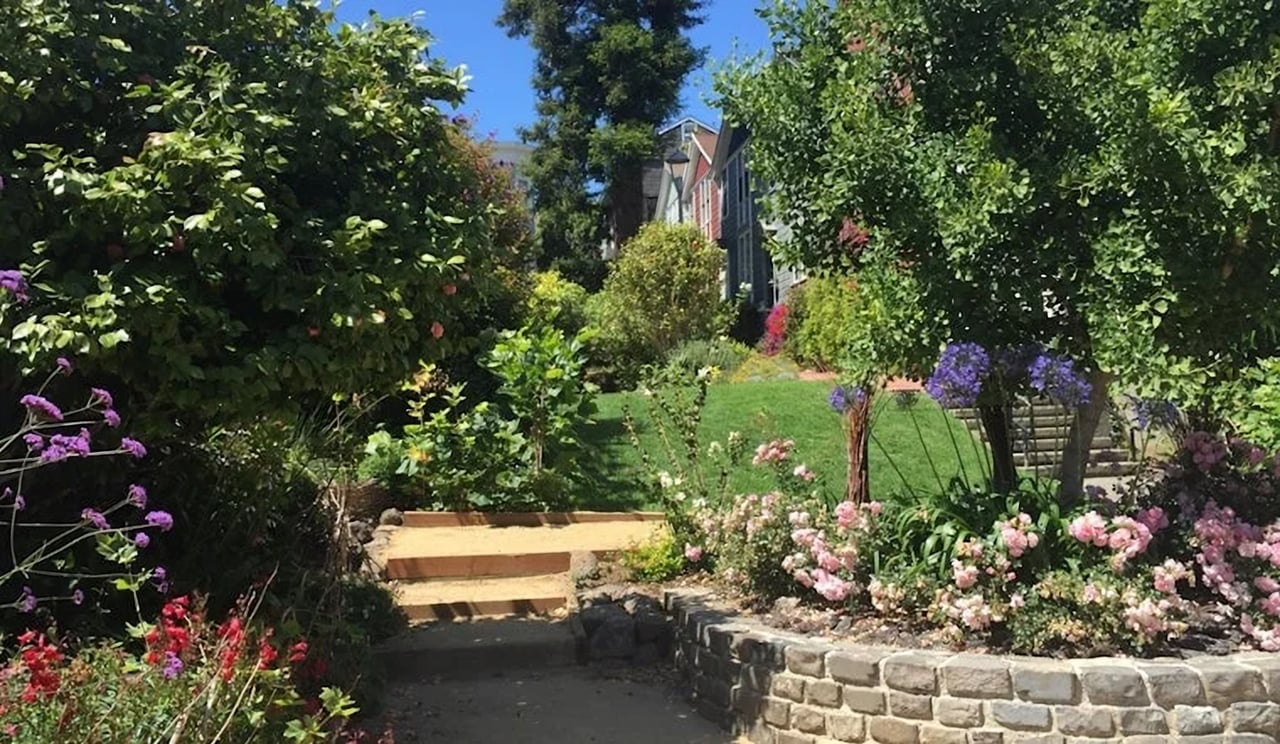
A car-free brick walkway, a row of 1882 cottages, and the "Japan Street" story every owner nearby should know.
Sean Mamola | October 22, 2026
A Saturday Halloween runs from a Church Street dog parade to Fair Oaks after dark
Sean Mamola | October 19, 2026
Off-market or on the MLS? A 2026 guide for San Francisco condo sellers.

Sean Mamola | October 16, 2026
How a 1031 exchange defers capital gains on a San Francisco investment property.

Sean Mamola | October 15, 2026
One construction fence comes down, and another goes up across Post Street.
Sean Mamola | October 15, 2026
The disclosures and reports a San Francisco seller must provide in 2026.
Sean Mamola | October 14, 2026
What Yerba Buena condo buyers need to know in 2026: value, buildings, and leverage.
Sean Mamola | October 13, 2026
What Mission Bay condo buyers need to know in 2026: prices, buildings, and pace.
Sean Mamola | October 12, 2026
Two-thirds of condos sold over asking and the median rose 23%. Then mortgage rates climbed to 7.40%. Here's how I'm reading both.
CONTACT SEAN MAMOLA AT RISES.CO
CA DRE# 02056250
891 Beach St.,
San Francisco CA 94109