Capital Gains Tax When Selling Your San Francisco Home
Sean Mamola | September 4, 2026

Sean Mamola | September 4, 2026
When you sell your San Francisco home, you may owe federal capital gains tax on the profit, but a major exclusion often reduces or eliminates it. Under Internal Revenue Code Section 121, if the home was your primary residence for at least two of the last five years, you can exclude up to $250,000 of gain if you are single, or $500,000 if you are married filing jointly. Gain above that is generally taxable. This guide explains how it works in plain terms. It is general information, not tax advice, so confirm your specific situation with a CPA or tax advisor.
Maybe, but many primary-residence sellers owe little or nothing thanks to the Section 121 exclusion. The tax applies to your gain, not the full sale price, and only to the portion of the gain that exceeds your exclusion. In high-value markets like San Francisco, long-time owners with large gains are the most likely to owe, which is exactly why understanding the rules and your cost basis matters. The IRS explains the basics in Topic No. 701, Sale of Your Home.
To qualify, you generally must have both owned the home and used it as your primary residence for at least 24 months out of the five years before the sale. Single filers can exclude up to $250,000 of gain, and married couples filing jointly up to $500,000. The excluded gain is never taxed, and notably the exclusion amounts have not been adjusted for inflation since 1997, which means more long-term owners bump against the cap over time.
Your gain is not simply what you paid versus what you sold for. It is the sale price, minus your selling costs (commission, transfer tax, and other closing costs), minus your cost basis. Your basis is generally your original purchase price plus the cost of capital improvements you made over the years, such as a renovation or a new system. Keeping records of those improvements can meaningfully reduce your taxable gain, so it is worth gathering them before you sell.
Here is an illustrative example for a married couple filing jointly who sold their San Francisco primary residence. The numbers are hypothetical, meant only to show how the pieces fit together:
Step | Amount |
|---|---|
Sale price | $1,800,000 |
Less selling costs (commission, transfer tax, closing) | -$105,000 |
Amount realized | $1,695,000 |
Less cost basis (2013 purchase $900,000 + $120,000 in improvements) | -$1,020,000 |
Total gain | $675,000 |
Less Section 121 exclusion (married filing jointly) | -$500,000 |
Taxable gain | $175,000 |
In this example, the couple still owes tax on $175,000 of gain because their profit exceeded the $500,000 exclusion, a common outcome for long-time San Francisco owners. Note how the $120,000 in documented improvements lifted their basis and shaved $120,000 off the gain. This is an illustration, not tax advice; your basis, holding period, filing status, and California treatment all affect the real number, which your CPA should calculate.
The Section 121 primary-residence exclusion does not apply to an investment or rental property. For those, a 1031 exchange can allow you to defer capital gains tax by reinvesting the proceeds into another qualifying property within set timelines. The rules are strict and time-sensitive, so this is firmly a coordinate-with-your-professionals situation.
From experience: I recently helped an owner build a comps-based case to challenge an inflated property-tax assessment on their San Francisco home. The first thing I told them, and the first thing I will tell you, is that I am a real estate specialist, not a tax professional. On anything touching your taxes, my job is to bring accurate market data and closed-sale comparables and to coordinate with your CPA, who runs the actual numbers. That division of labor protects you and gets you the most reliable answer.
This article is general information about how the rules commonly work, not personalized tax advice. Your basis, holding period, filing status, and any prior exclusions all affect the outcome, and California has its own tax treatment as well. Before you sell, review your specific situation with a qualified CPA or tax advisor.
Only on gain above your exclusion. If the home was your primary residence for two of the last five years, you can exclude up to $250,000 of gain (single) or $500,000 (married filing jointly); gain above that is generally taxable.
Up to $250,000 if you file single, or $500,000 if you are married filing jointly, on a qualifying primary residence.
You generally must have owned and lived in the home as your main residence for at least 24 months out of the five years before the sale to claim the exclusion.
Sale price, minus selling costs, minus your cost basis (purchase price plus capital improvements). Records of improvements can lower your taxable gain.
No. The primary-residence exclusion does not apply to investment property, but a 1031 exchange may let you defer the tax by reinvesting in another qualifying property.
No. This is general information. Confirm your specific situation with a CPA or tax advisor, since individual circumstances and California rules vary.
Planning a sale and wondering about your numbers? Sean Mamola brings 17+ years of real estate expertise and a luxury hospitality background to every client relationship, with a track record spanning entry-level condos to an $8.7 million South Beach penthouse. As a Global Luxury Specialist with Compass, Sean provides the accurate market data and comparables your CPA needs, and coordinates with your advisors so the whole picture lines up. Schedule a consultation or call (415) 704-3640.

Primary phone
(415) 704-3640License Number
#02056250Address
891 Beach StSean Mamola is a San Francisco real estate agent who specializes in luxury properties and penthouses throughout the city's most coveted neighborhoods. As a Global Luxury Specialist with Compass and Rises.co, Sean works with discerning clients who are buying and selling exceptional properties in San Francisco. Since 2018 he has closed 75+ transactions and more than $100M in sales volume across the city's high-rise condo and penthouse market.
Sean focuses on San Francisco's premier areas including South Beach, Yerba Buena, Mission Bay, Pacific Heights, Lower Pacific Heights, Russian Hill, and Nob Hill. His deep knowledge of these neighborhoods allows him to guide clients to properties that perfectly match their lifestyle and investment goals.
Whether you're drawn to the modern luxury of South Beach condos, the urban sophistication of Yerba Buena, the waterfront appeal of Mission Bay, the timeless elegance of Pacific Heights, the historic charm of Russian Hill, or the prestigious heights of Nob Hill, Sean understands what makes each area unique.
For Sellers
Sean creates comprehensive marketing strategies that attract qualified buyers with refined tastes. He believes in elegant staging with meticulous attention to detail, ensuring your property makes an unforgettable impression. His marketing reaches both international and local luxury markets, maximizing exposure for condos, penthouses, condotels, and new developments.
For Buyers
Using cutting-edge technology and market research, Sean carefully analyzes pricing and property trends to find homes that satisfy his clients' specific preferences, price points, and lifestyles. His 24/7 availability and white-glove service ensure you never miss the right opportunity.
Working with Sean and his partnership with Rises.co gives clients significant competitive advantages. His vast network of interconnected agents results in winning offers and an impressively low ratio of properties shown to offers accepted. Sean's impeccable work ethic and precise negotiation skills ensure sellers find the right buyer and buyers secure their dream home.
Before becoming a licensed real estate agent, Sean spent years in luxury hospitality, skills he applies to every client relationship and transaction. He has tremendous respect for people's privacy and consistently exceeds expectations – from international travel to execute transactions to handling unique special requests.
As a Bay Area native who lived in New York City for 15 years, Sean brings a global perspective and genuine appreciation for people from all walks of life. His diverse background helps him connect with clients whether they're local San Francisco residents or international buyers seeking their perfect property.
When not working, Sean enjoys cycling, spending time with his large Irish-Italian family, and volunteering for Food Runners, The Richmond/Ermet Aid Foundation (REAF), and Broadway Cares/Equity Fights AIDS. This community involvement reflects his commitment to giving back to the city he serves.
If you're looking for an exceptional San Francisco real estate agent who specializes in luxury properties and provides truly high-touch service, let's talk. Sean is ready to help you find your perfect San Francisco home or achieve the best possible outcome when selling your property.
Specializing in luxury condos, penthouses, and exceptional properties in South Beach, Yerba Buena, Mission Bay, Pacific Heights, Lower Pacific Heights, Russian Hill, and Nob Hill.
Stay up to date on the latest real estate trends.
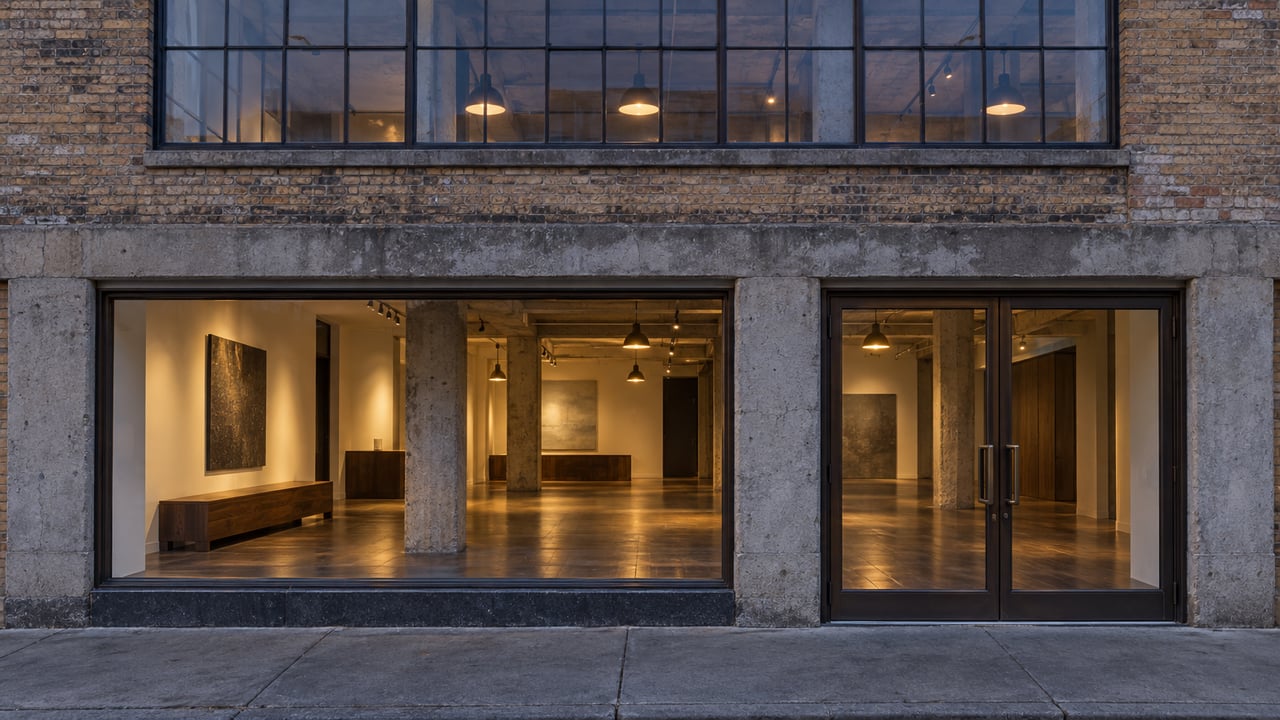
Sean Mamola | October 1, 2026
Showplace Square's showroom buildings are picking up tech tenants, and a Michelin-starred steakhouse anchors its traffic circle
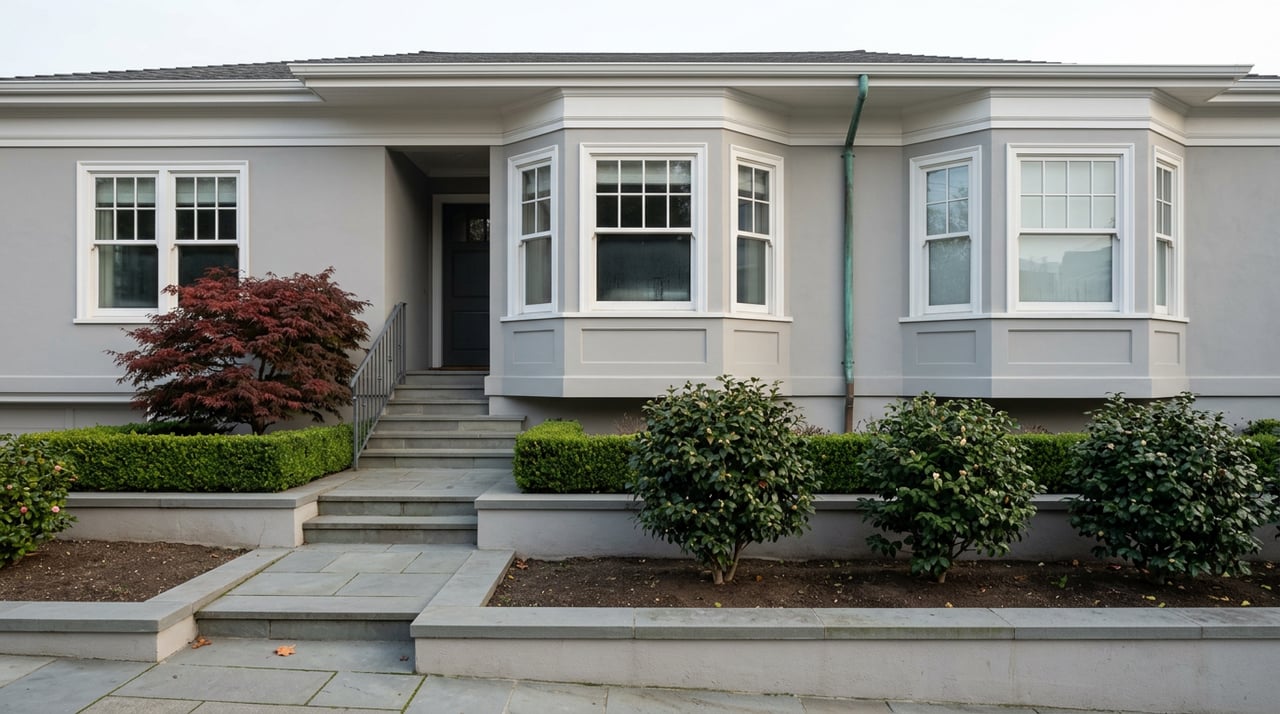
Sean Mamola | September 24, 2026
Three changes on three different clocks at the top of Pacific Heights
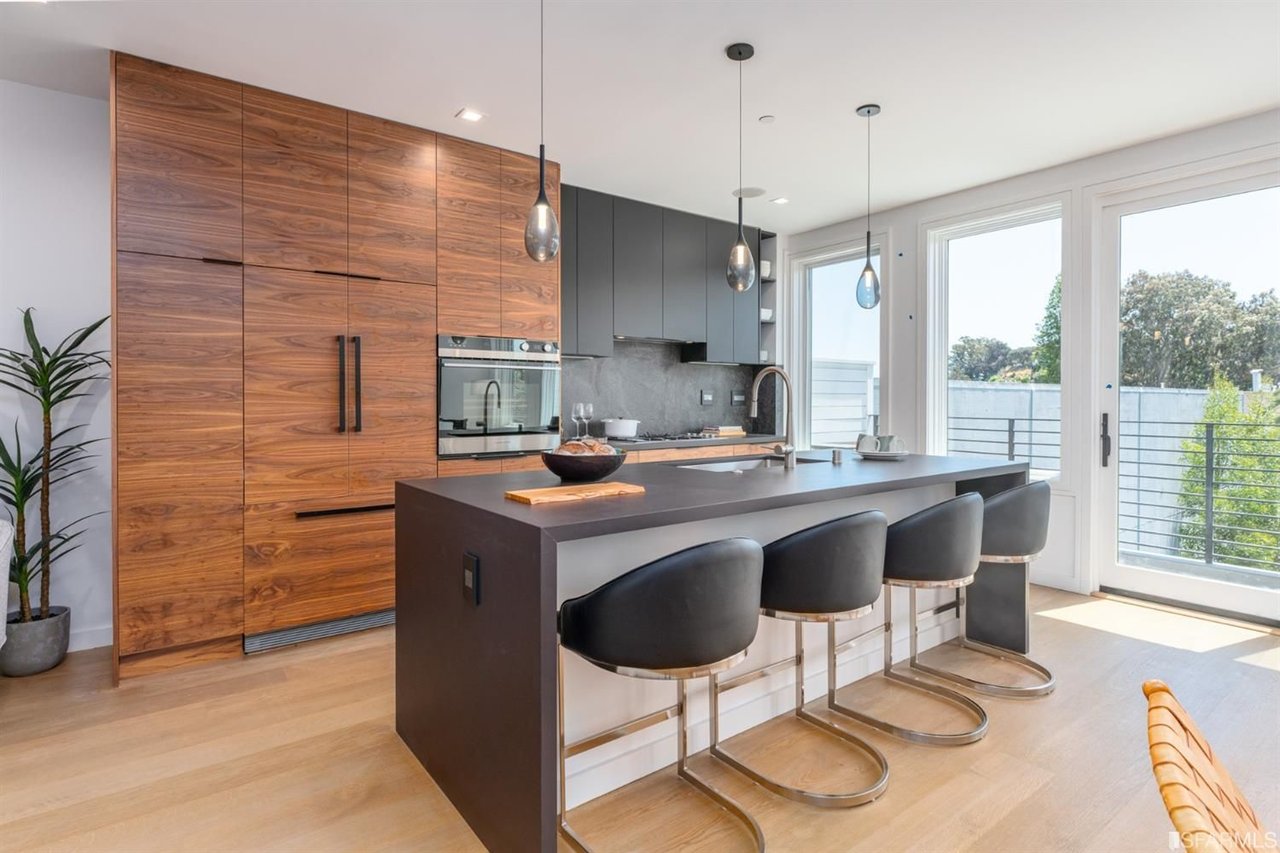
Sean Mamola | September 22, 2026
Rates just climbed back to 7%. Here's why waiting them out has almost never paid off for a San Francisco condo buyer.
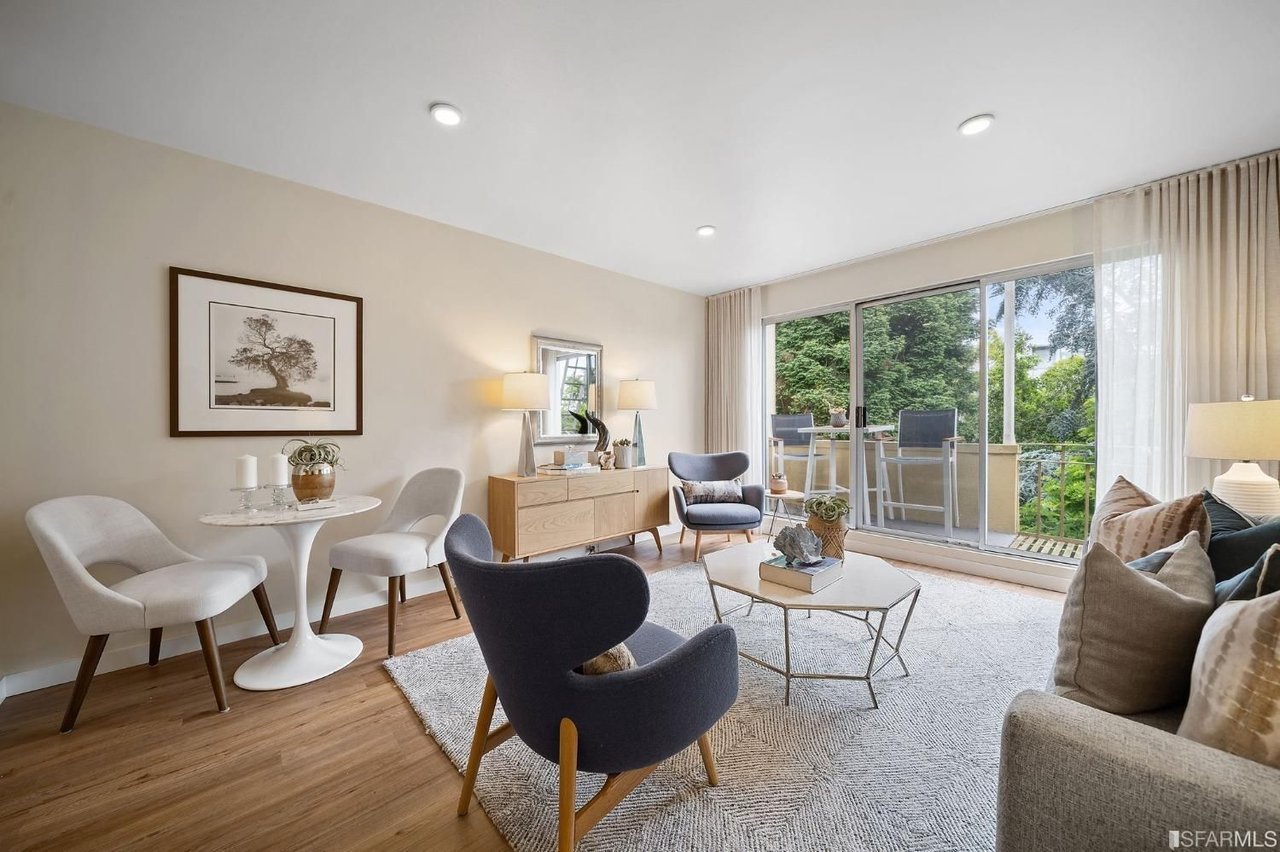
Sean Mamola | September 21, 2026
The Fed just hiked for the first time since 2023. Before you wait, it's worth naming what you're waiting for.

Sean Mamola | September 17, 2026
The condo median climbed 22% while sales slowed. Here's what actually moved, and what it means this fall.

Sean Mamola | September 17, 2026
The Giants are done for 2026. Here's how the ballpark-to-arena calendar actually runs this fall.

Sean Mamola | September 10, 2026
A ticketed blockbuster at SFMOMA and a free festival finale on the Great Lawn, a few hundred feet apart

Sean Mamola | September 9, 2026
Sell first or buy first? A 2026 guide for San Francisco move-up sellers.

Sean Mamola | September 8, 2026
Selling a San Francisco condo with tenants in place: your options in 2026.

CONTACT SEAN MAMOLA AT RISES.CO
CA DRE# 02056250
891 Beach St.,
San Francisco CA 94109